My mom and I went back to Hope Cemetery on September 26 to tour the rest of it. Pictures and commentary below.
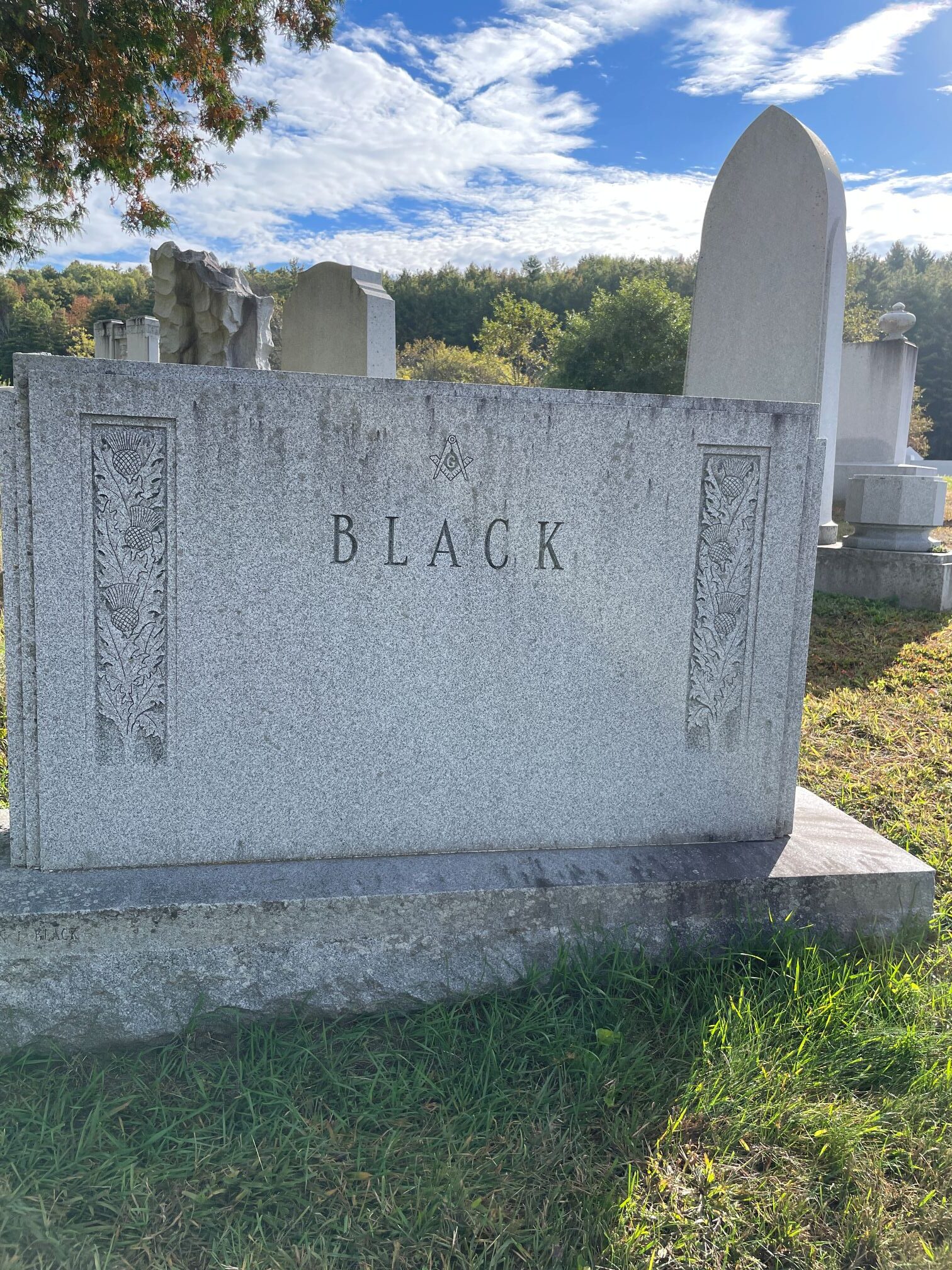
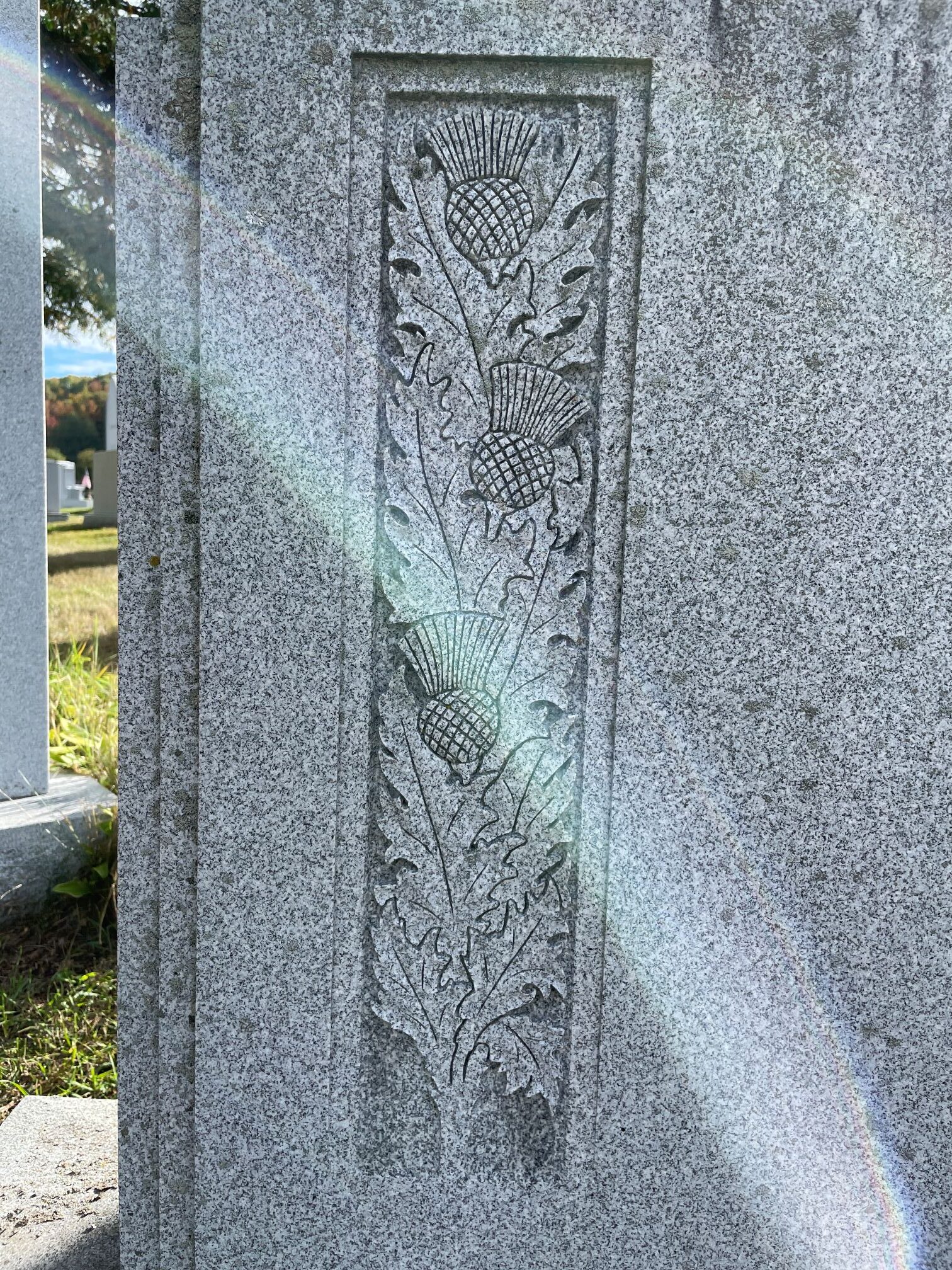
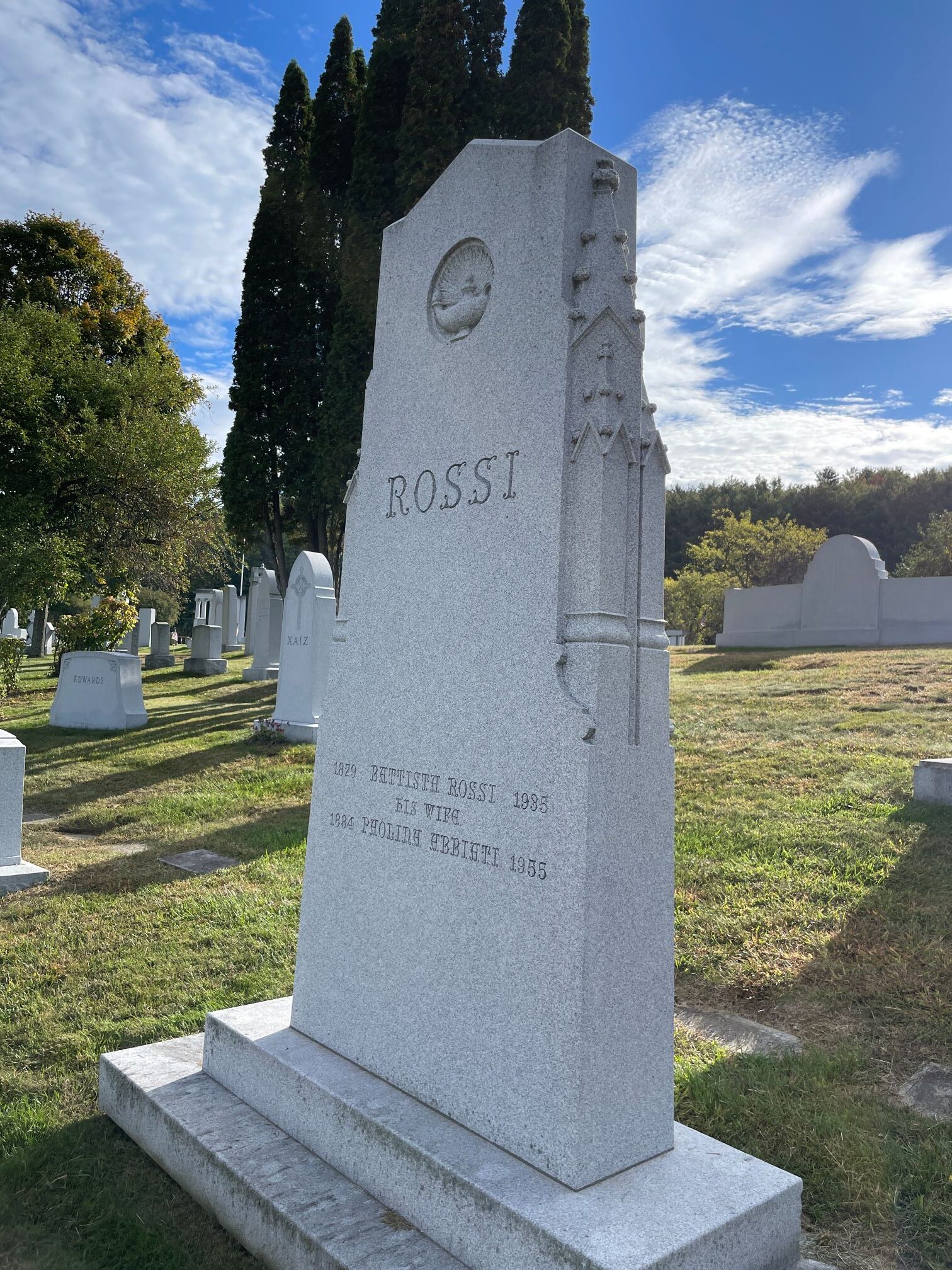
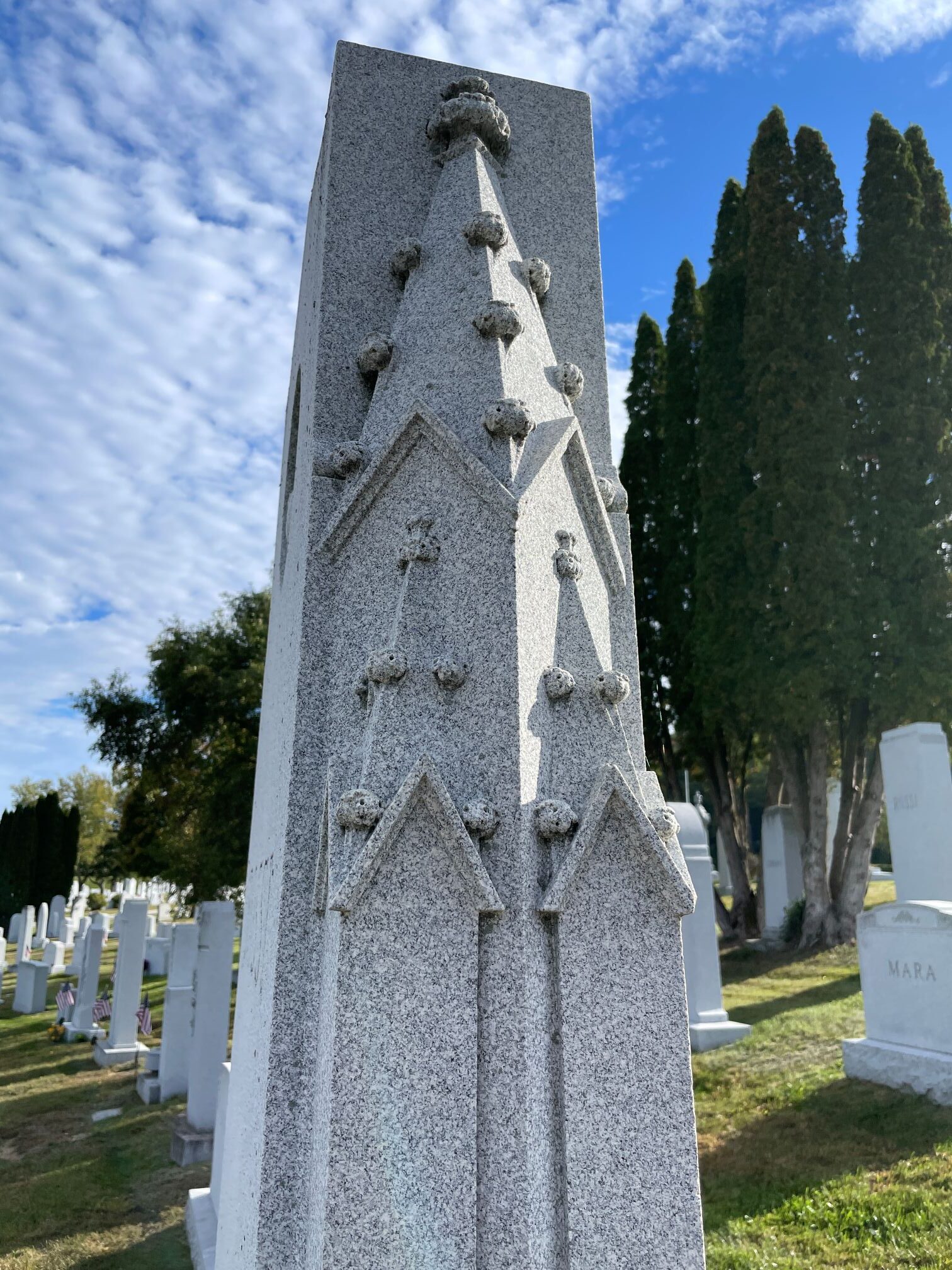
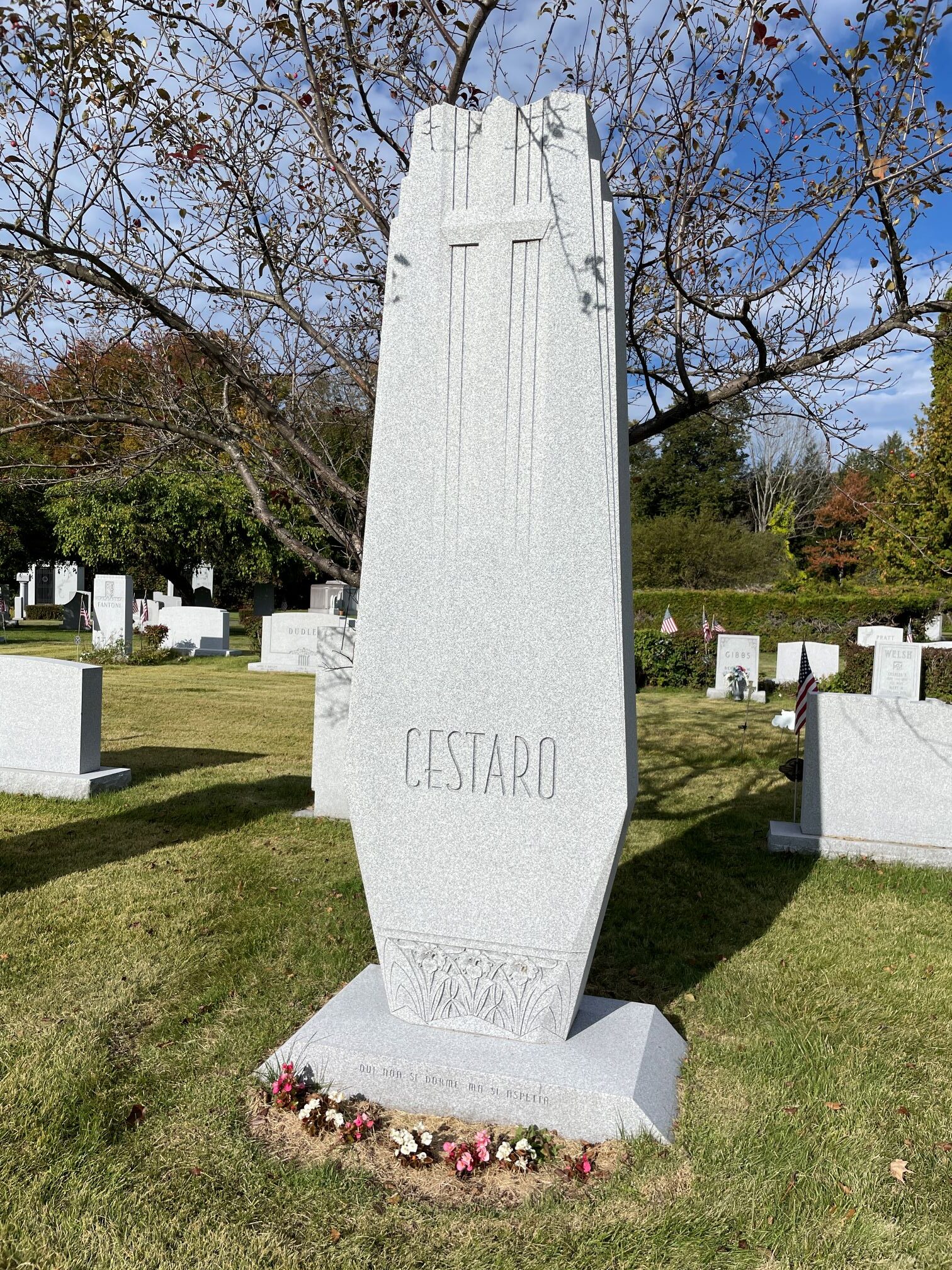
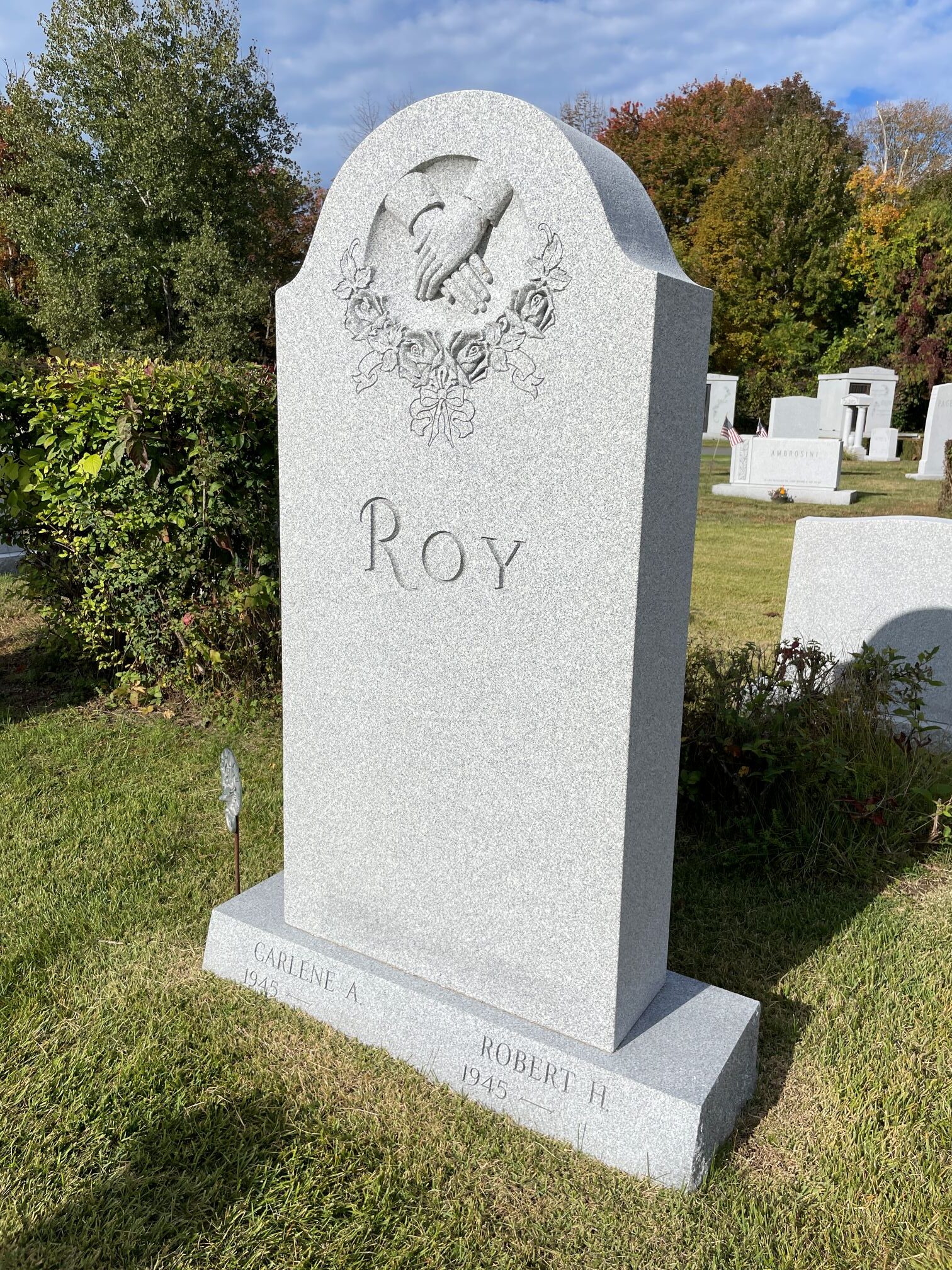
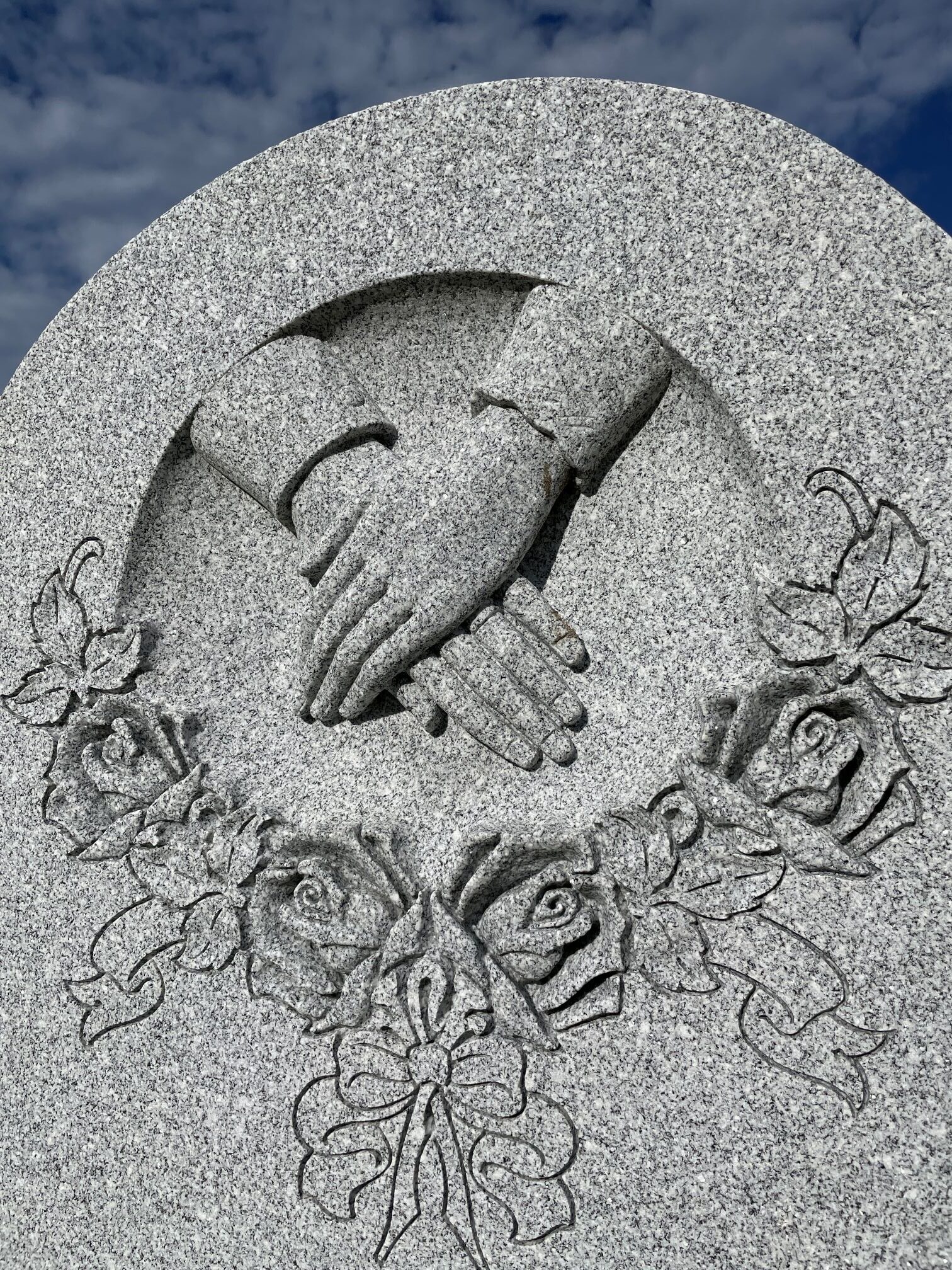
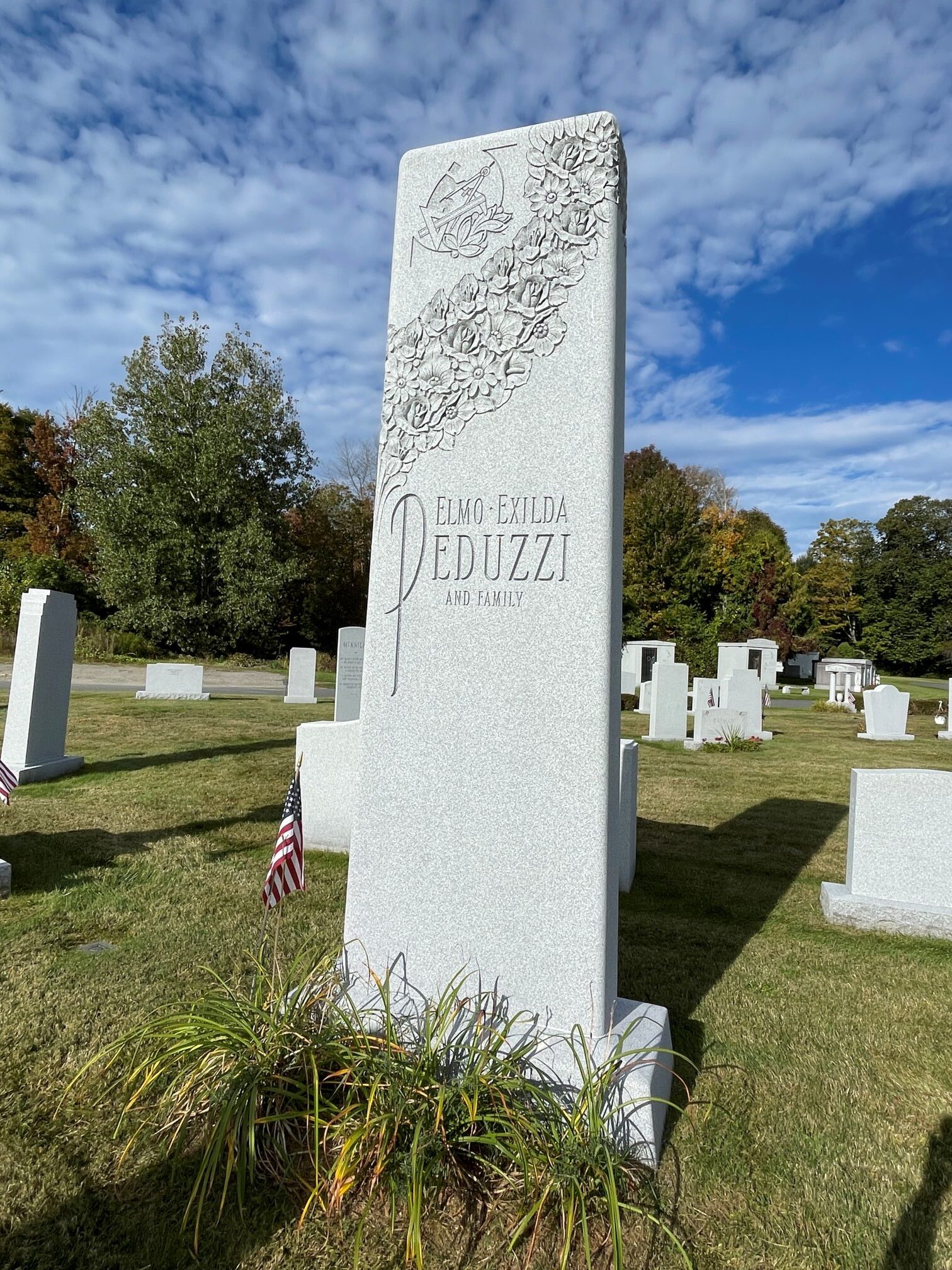
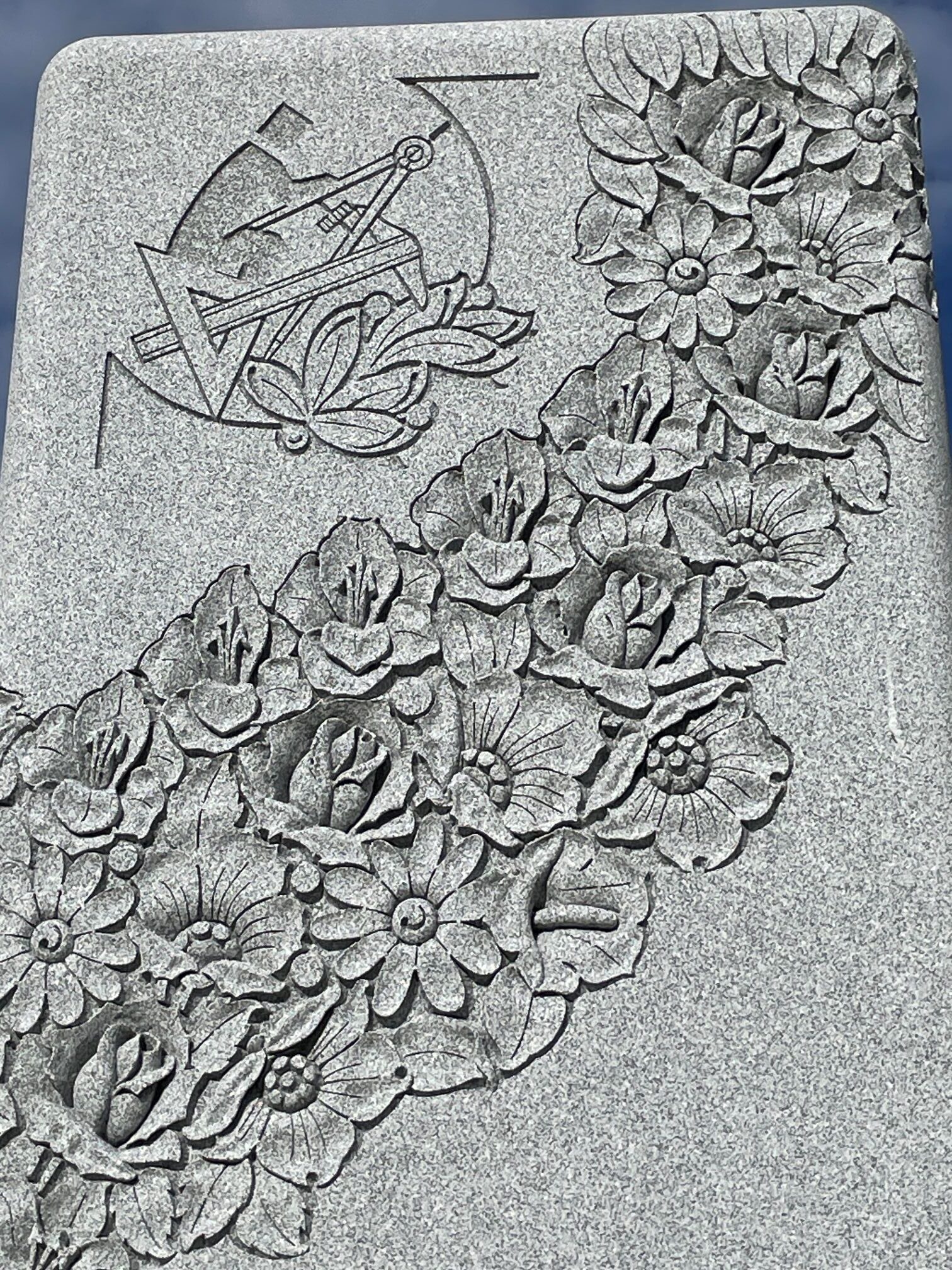
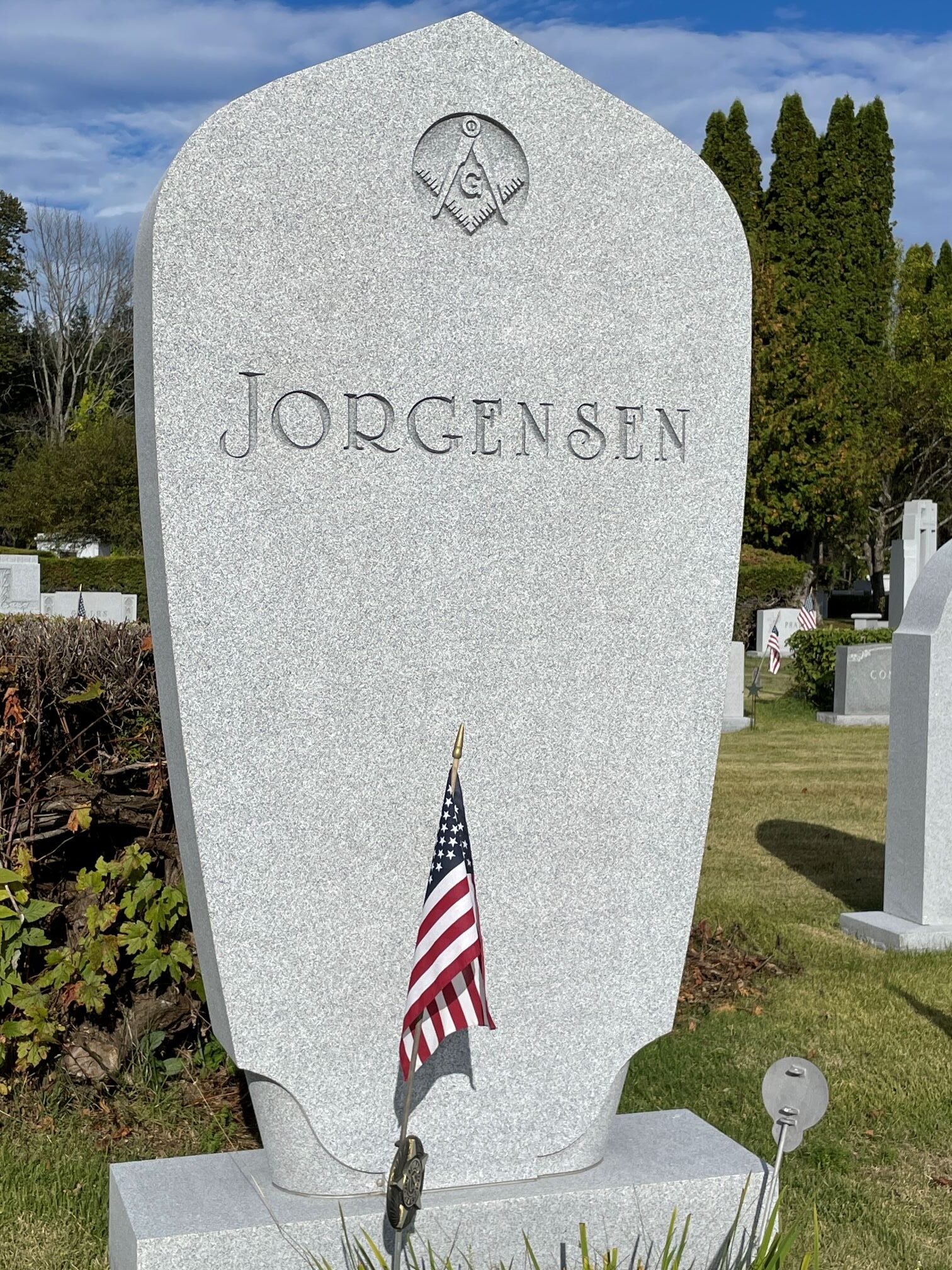
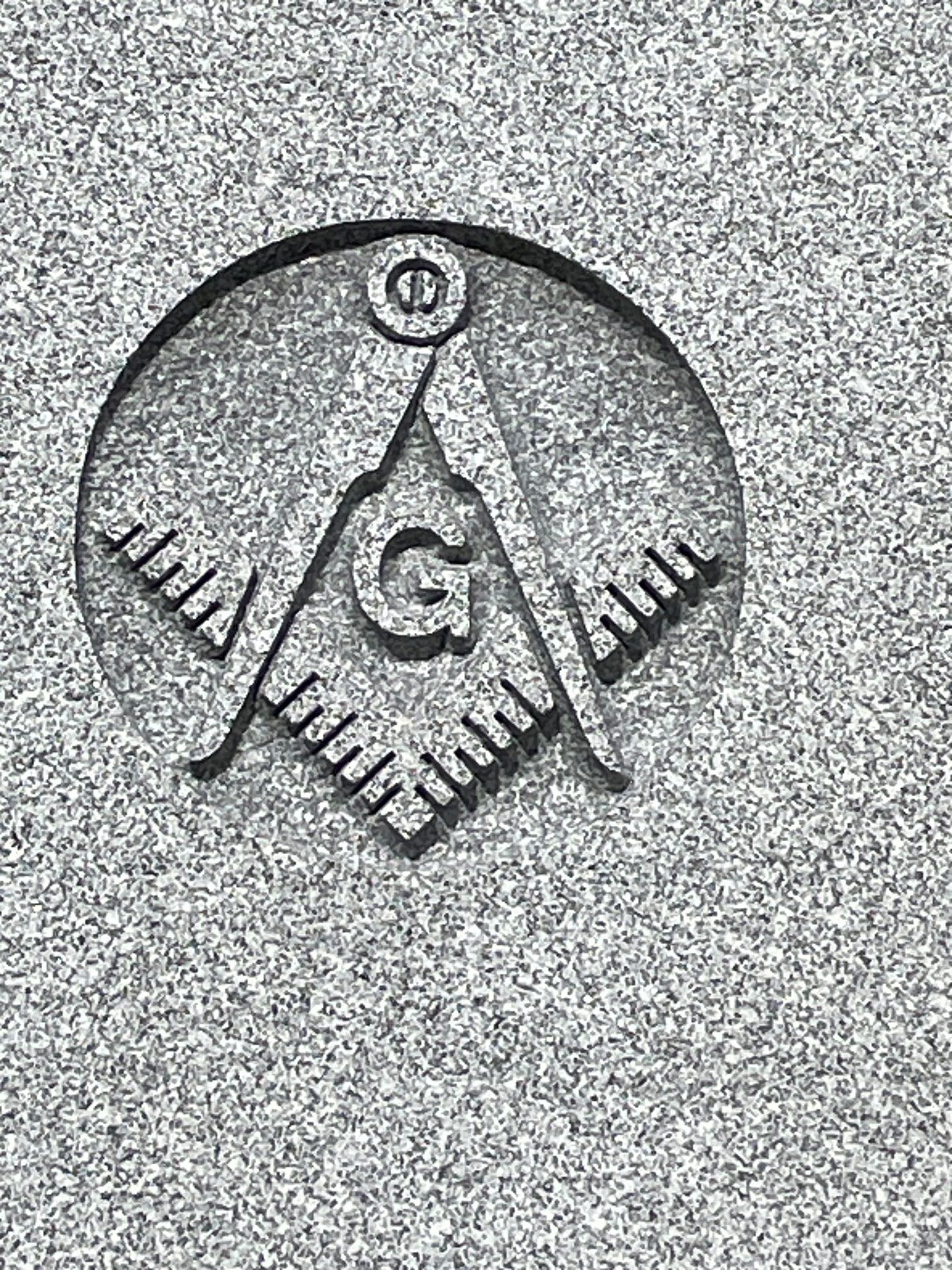
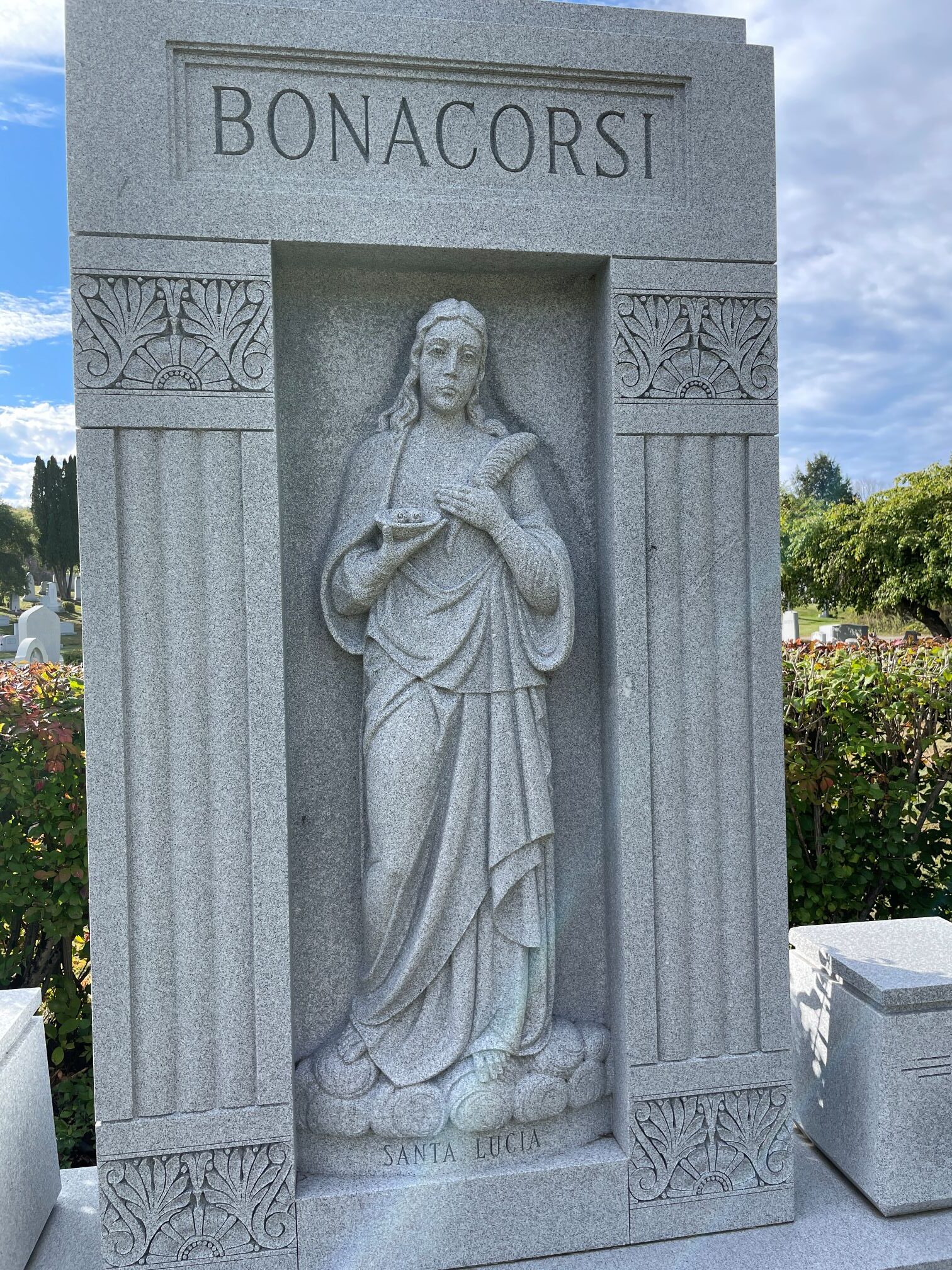
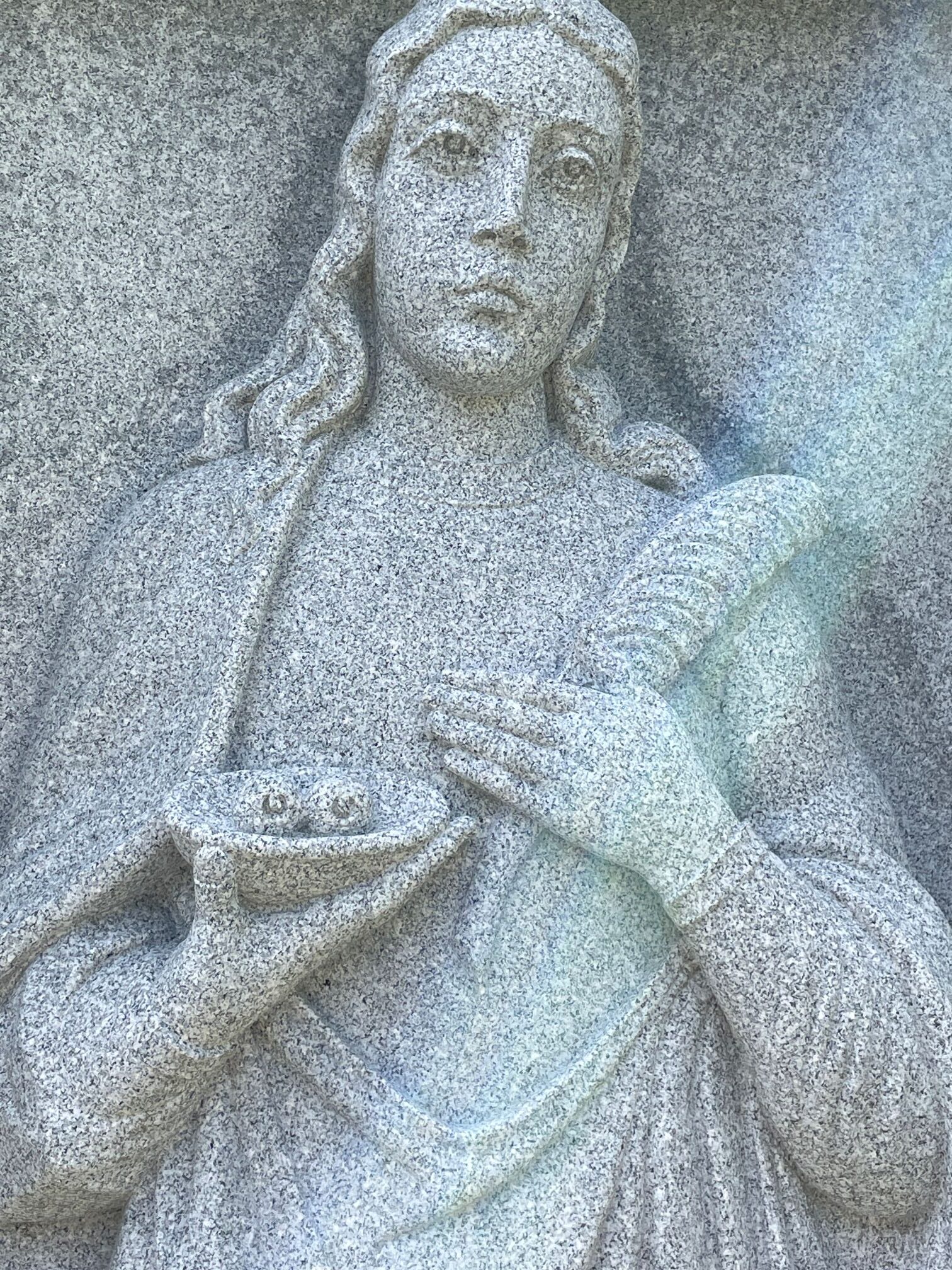
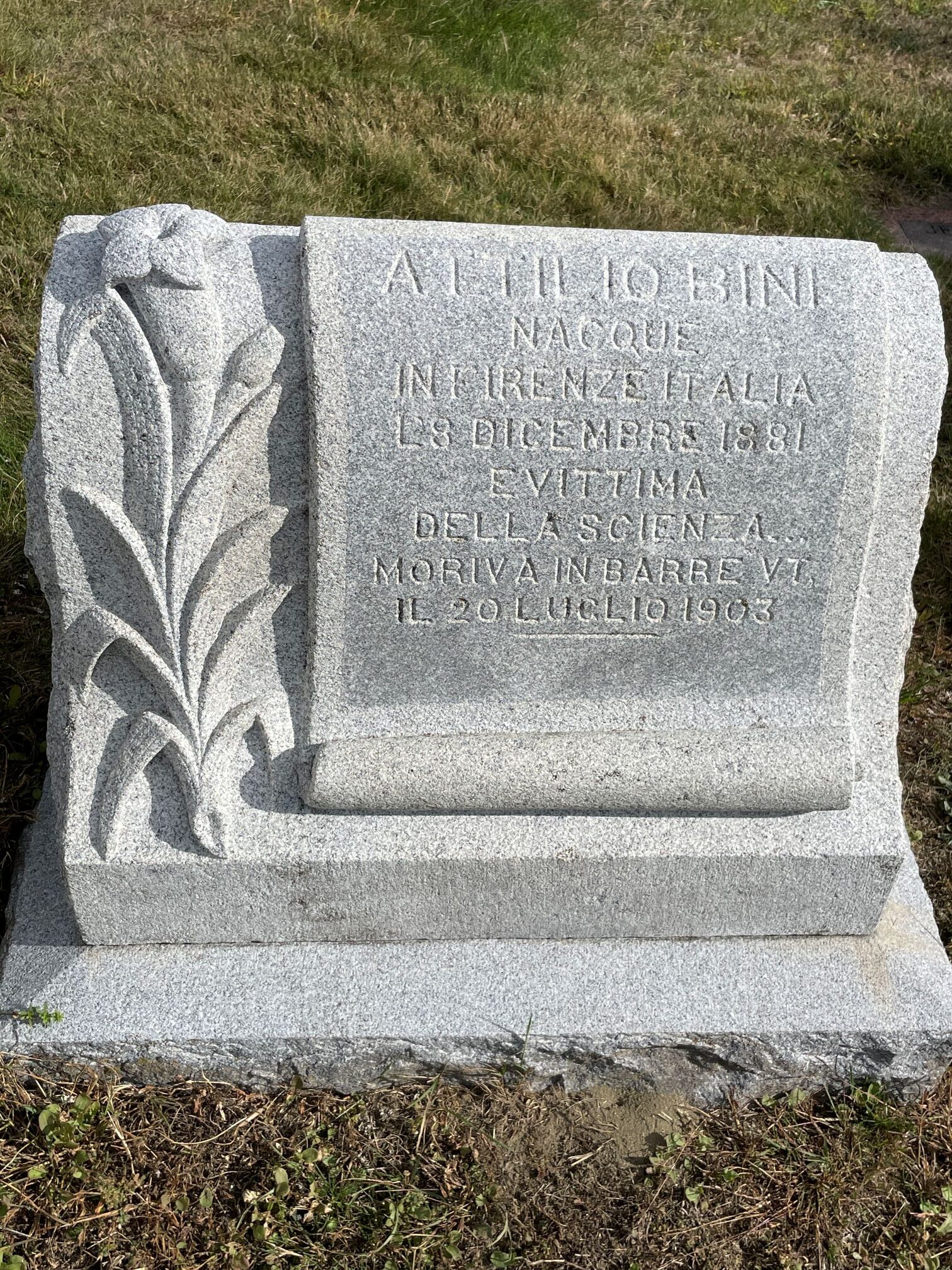
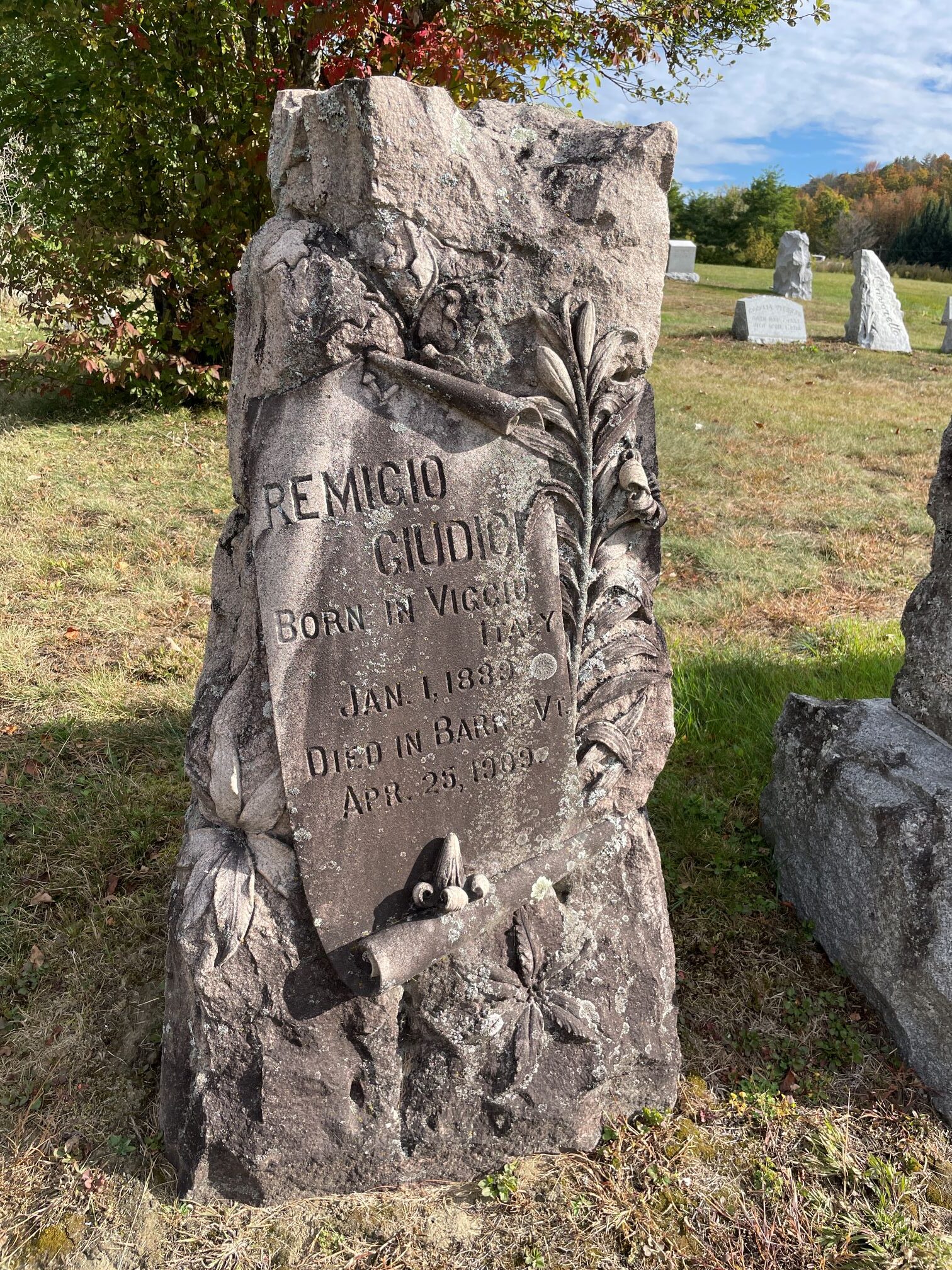
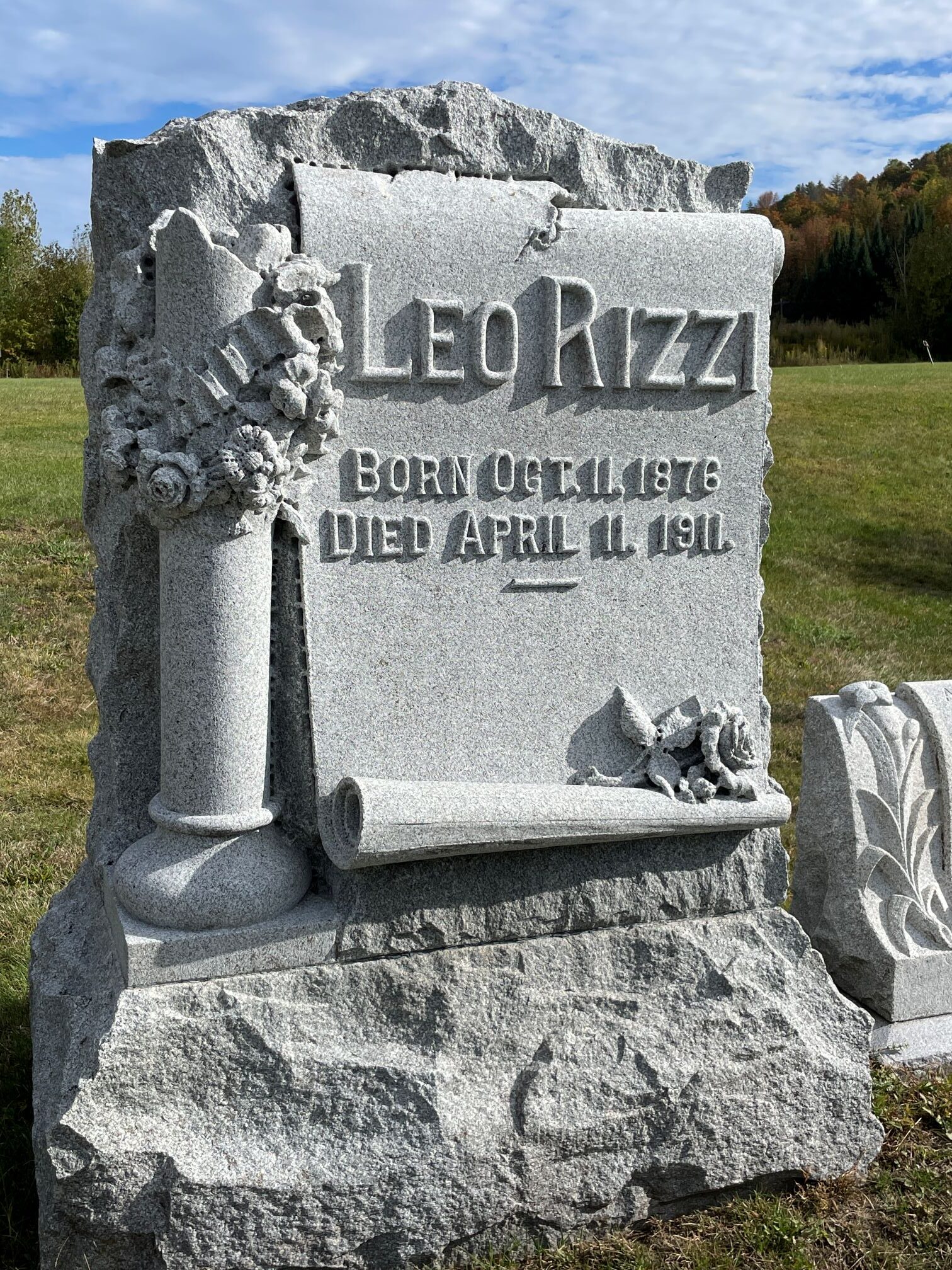
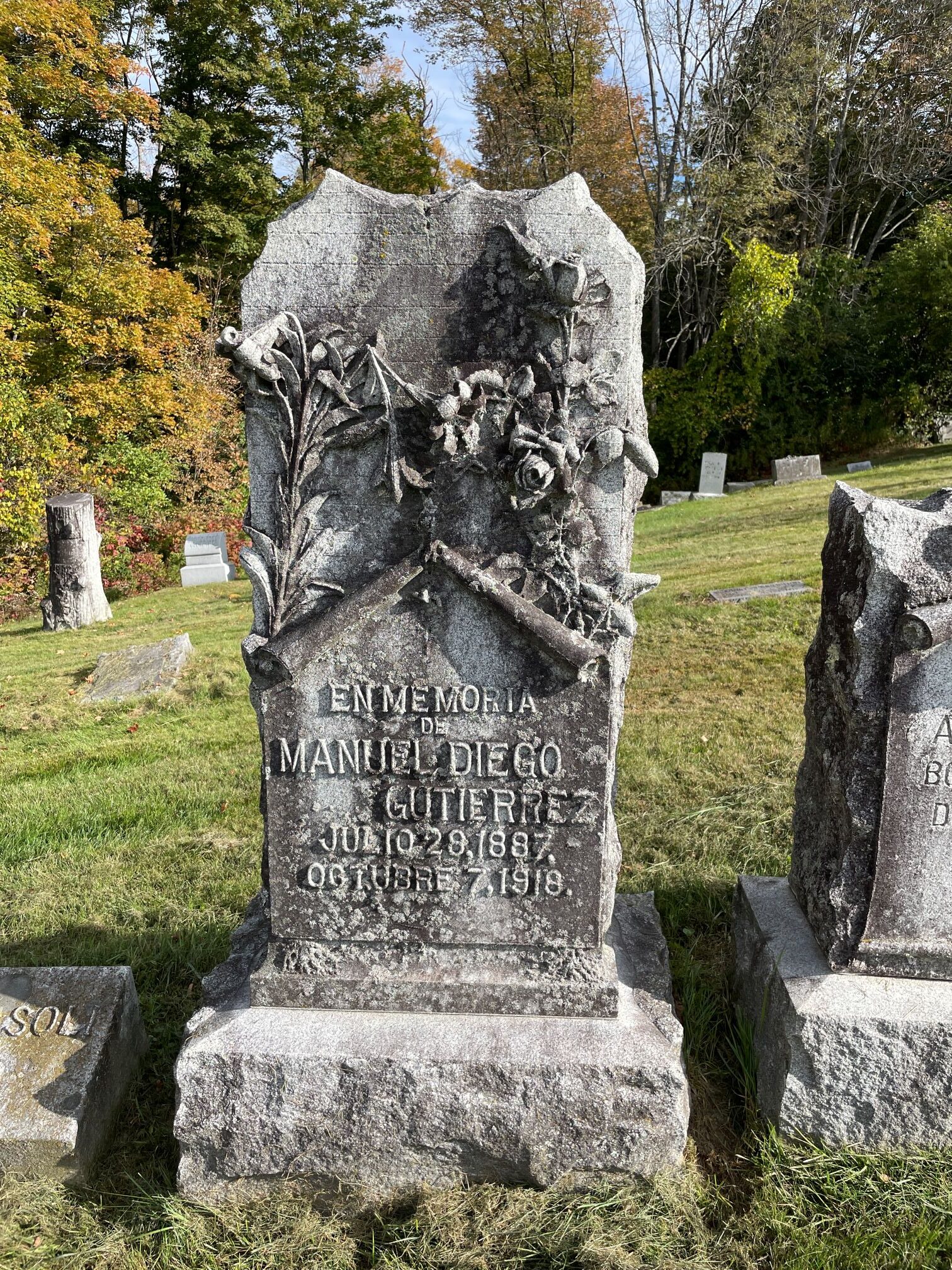
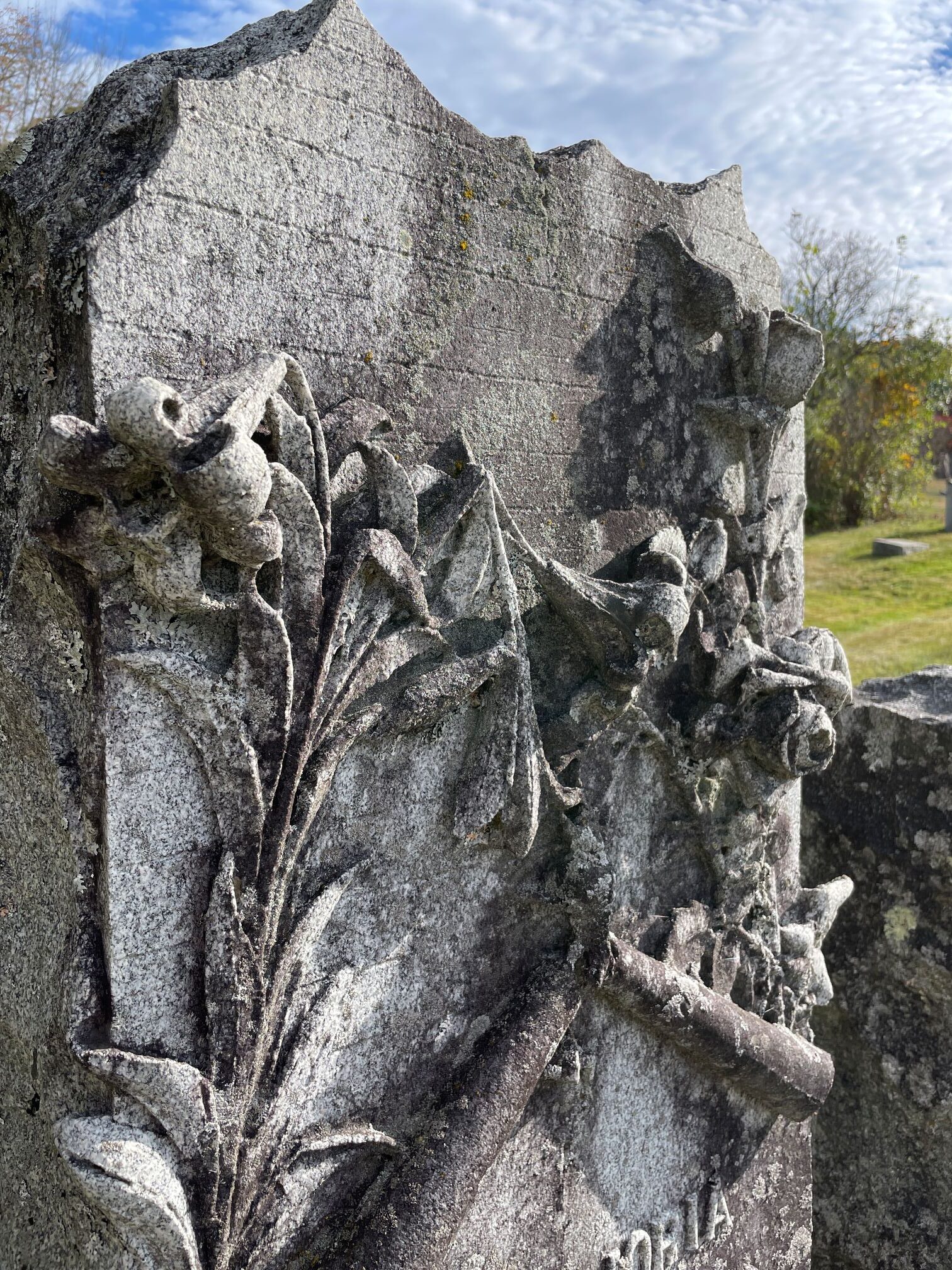
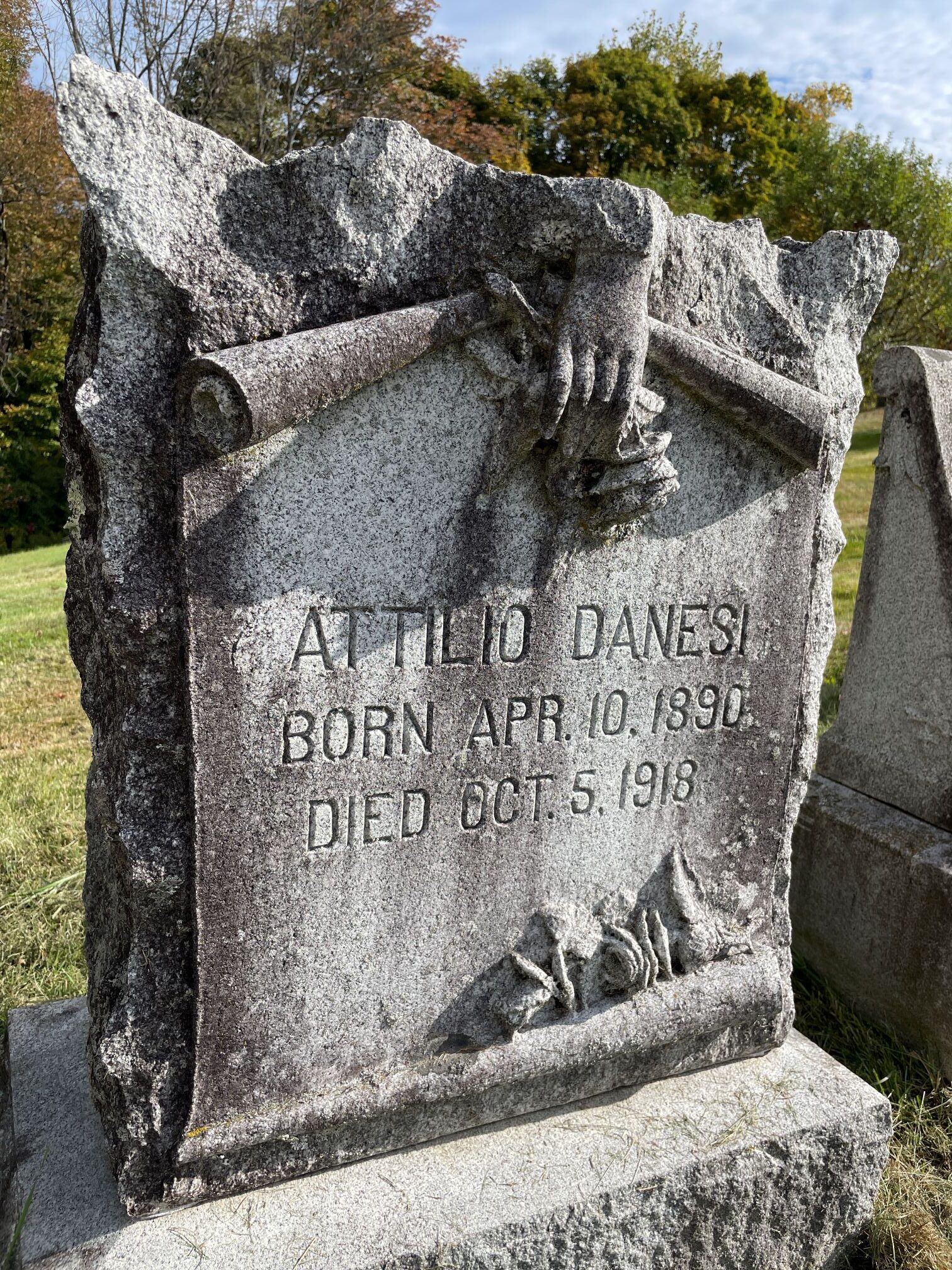
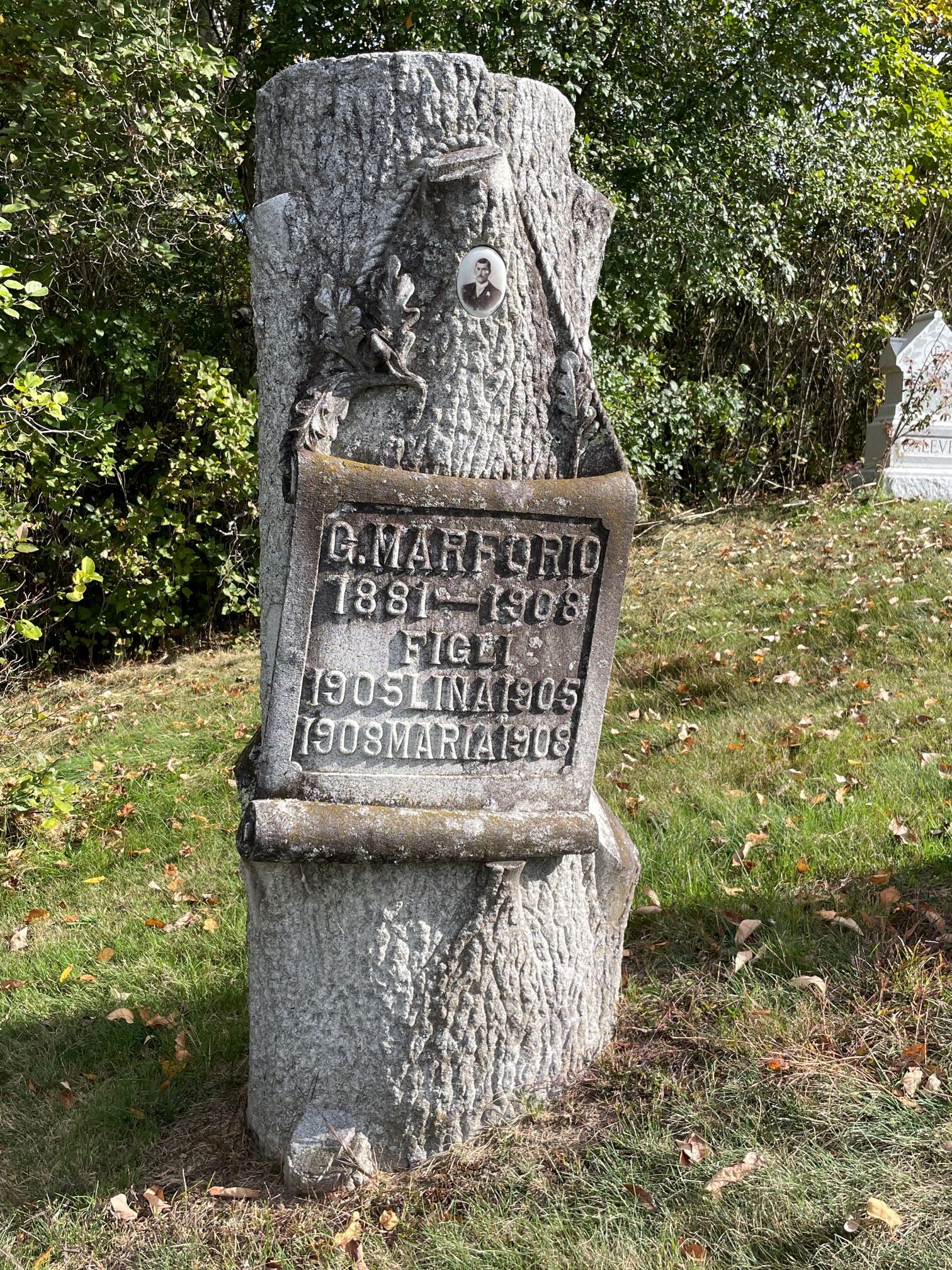
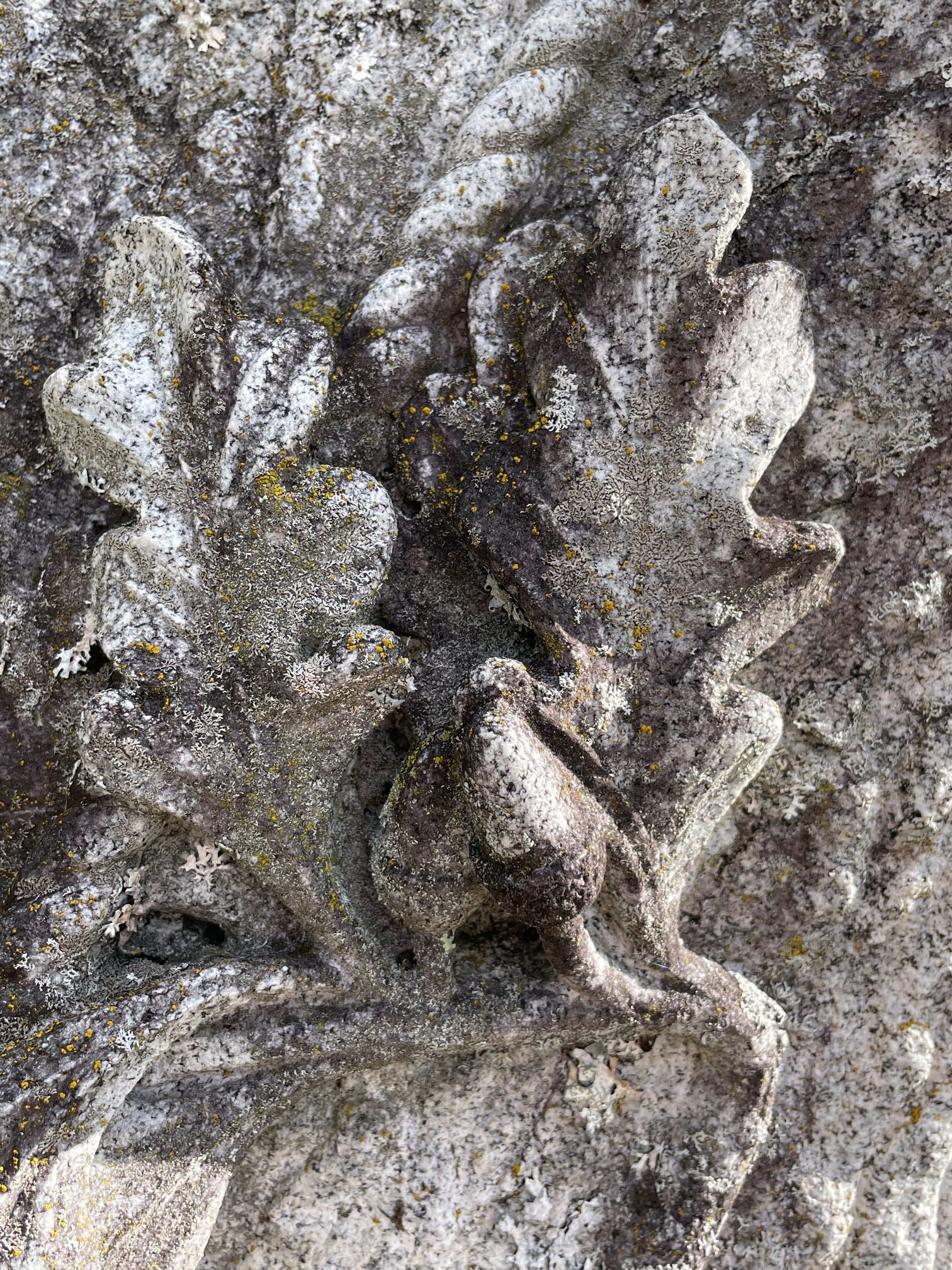
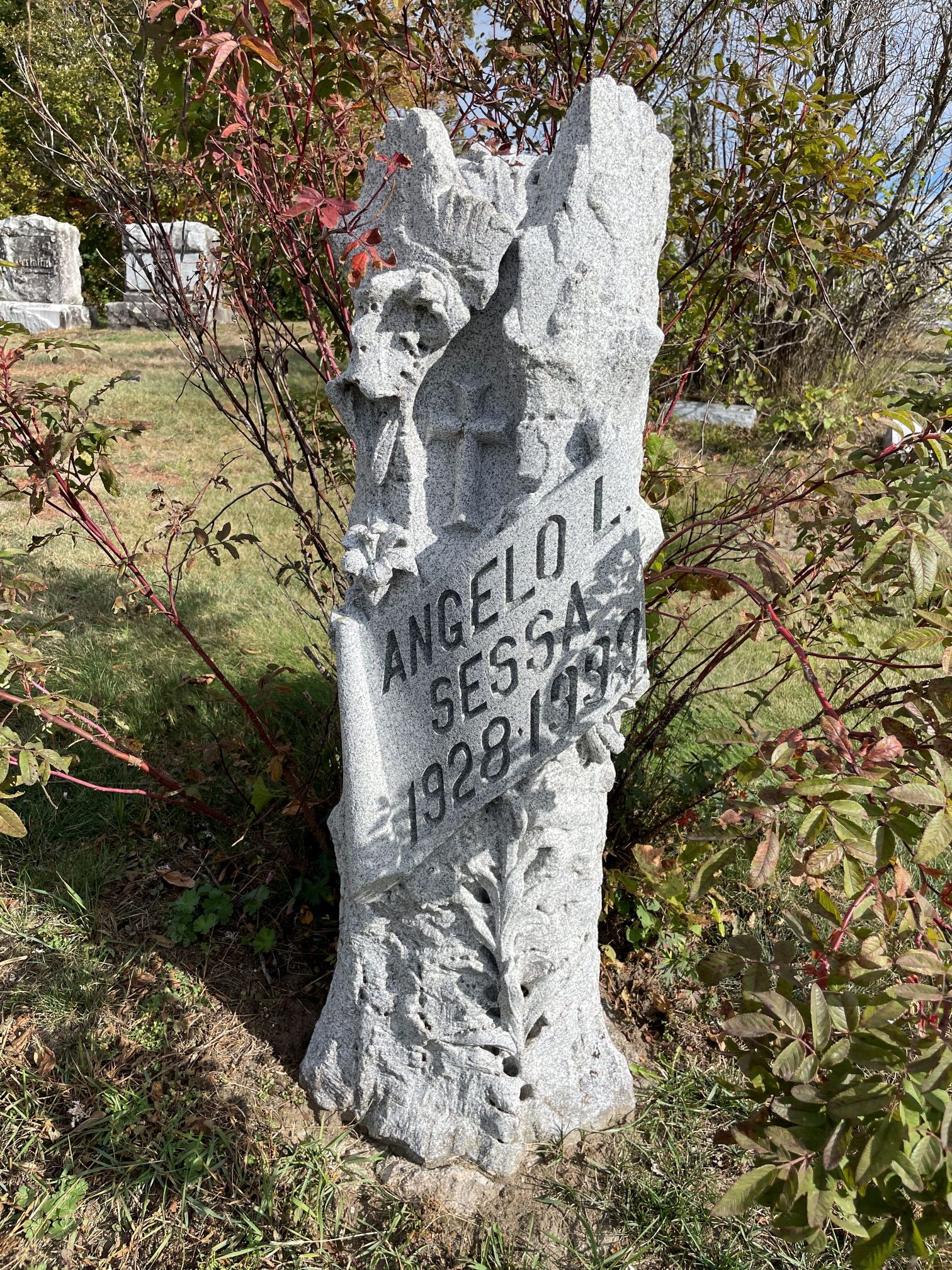
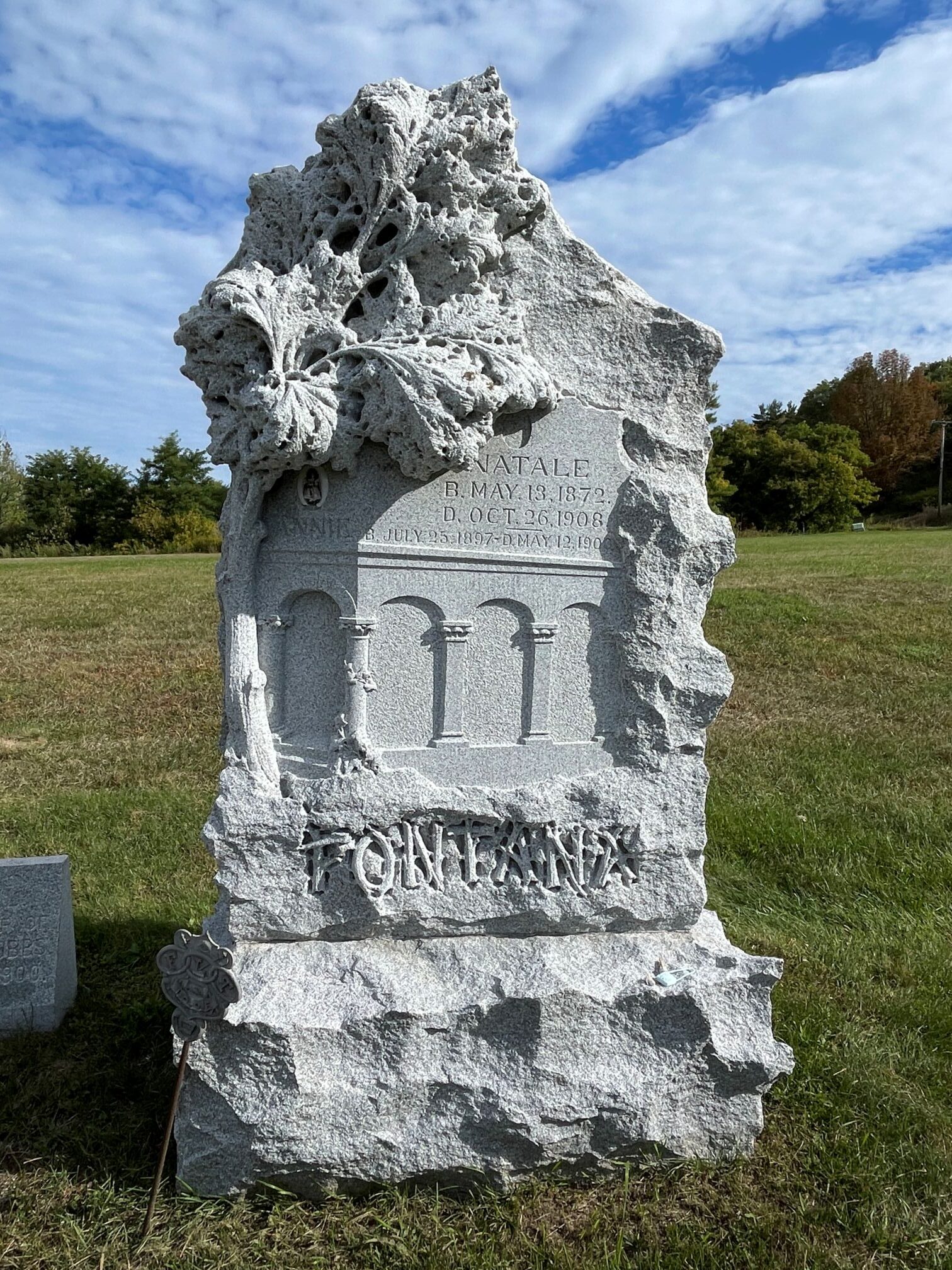
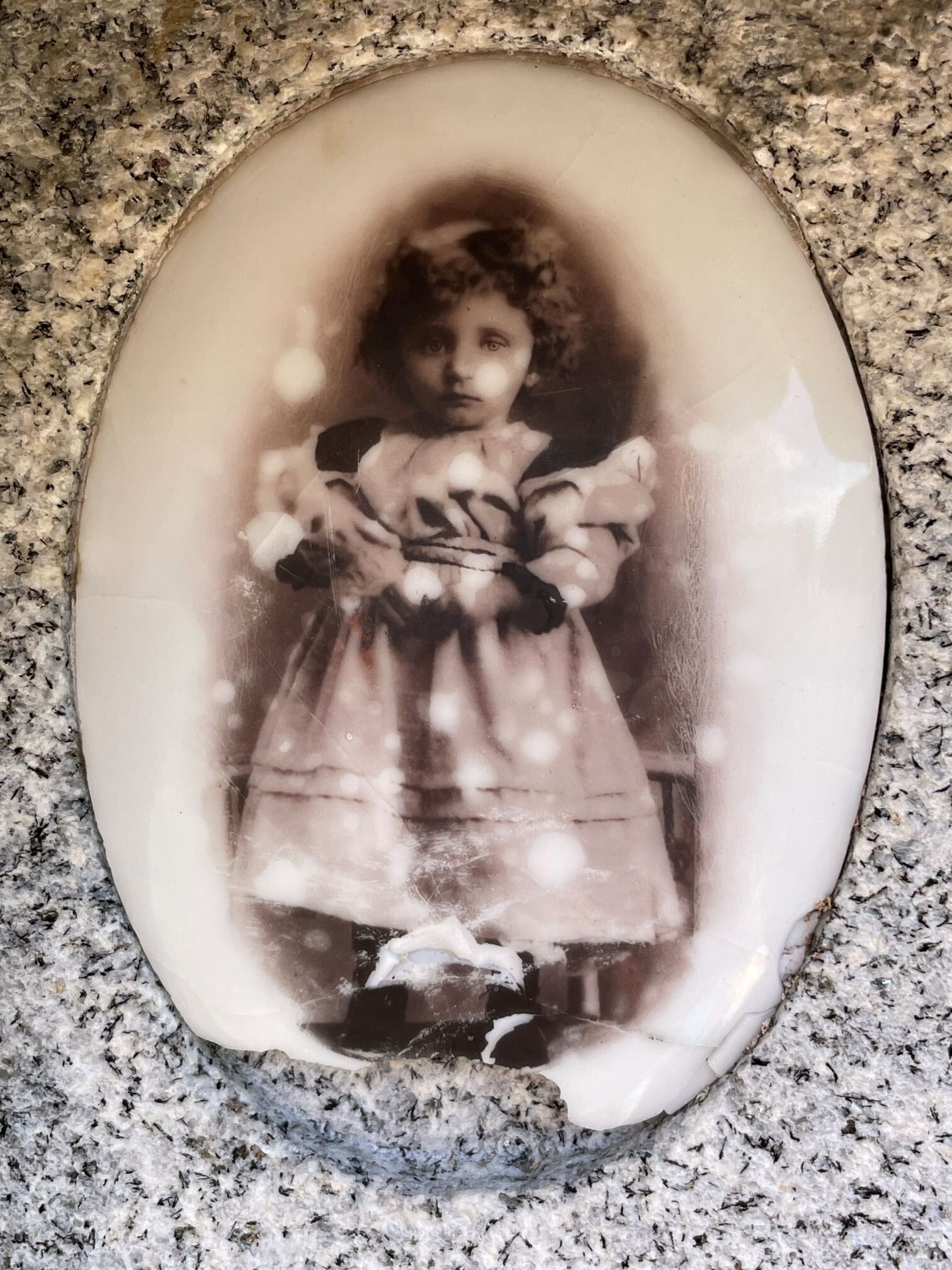
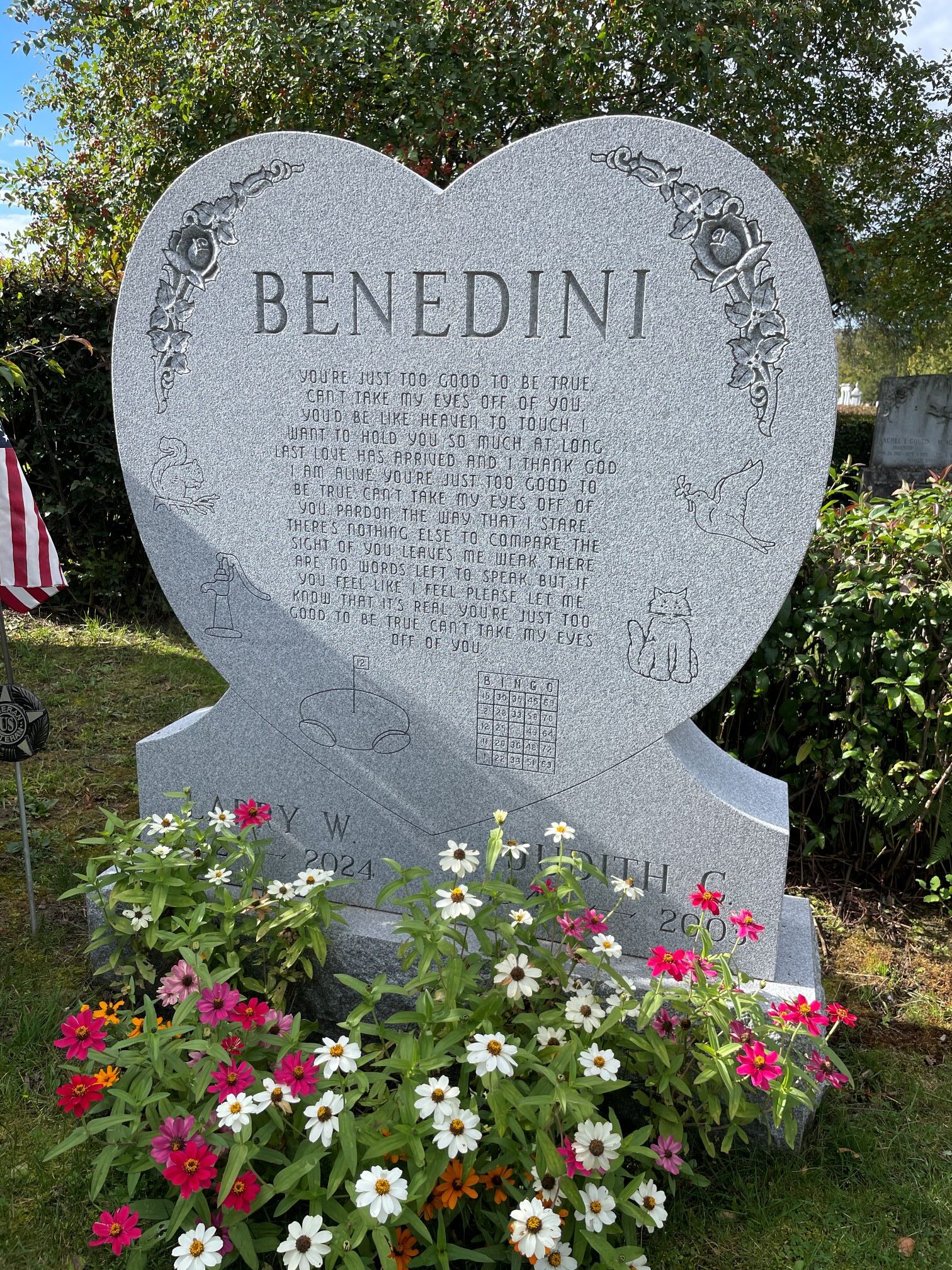
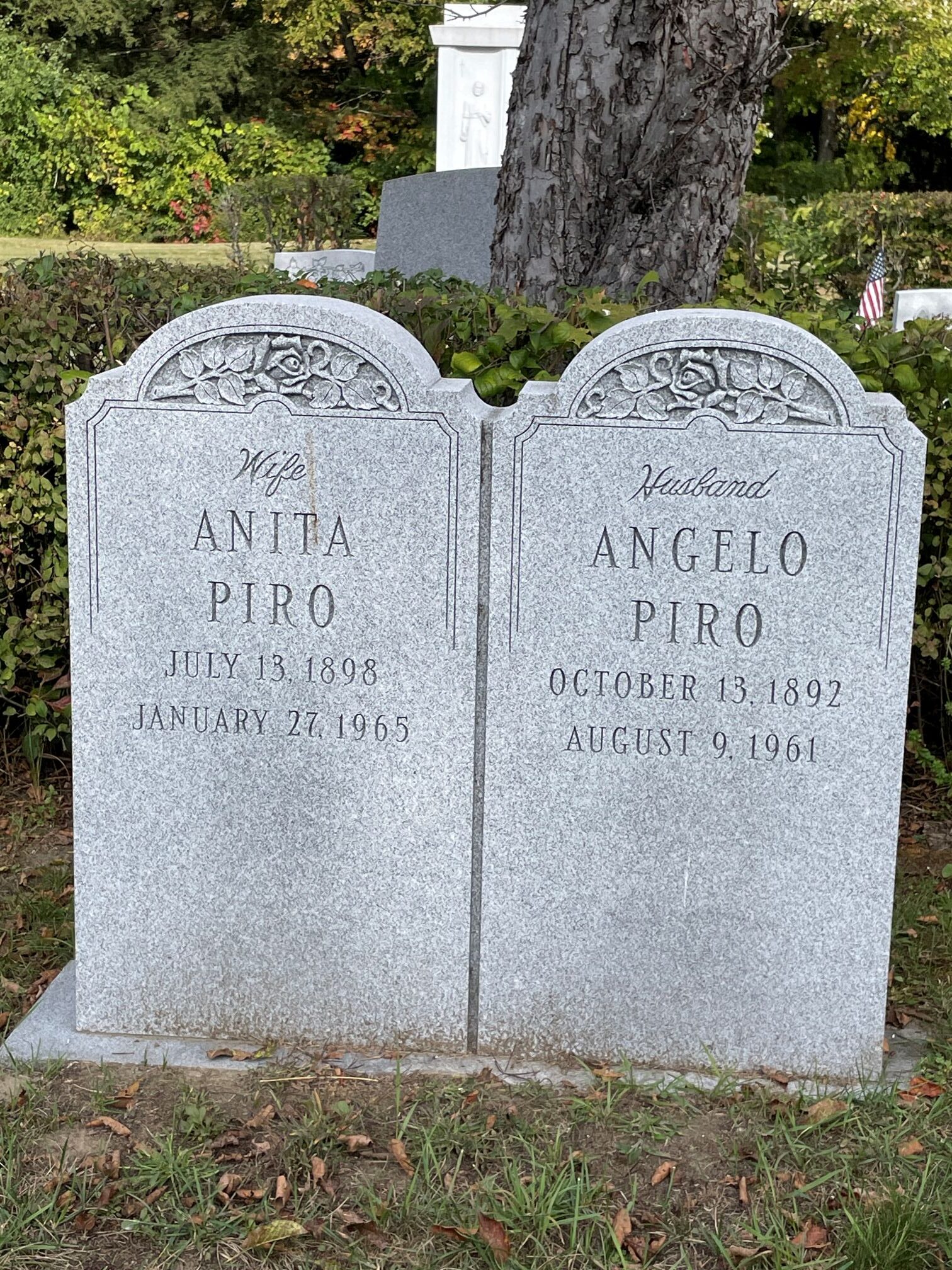
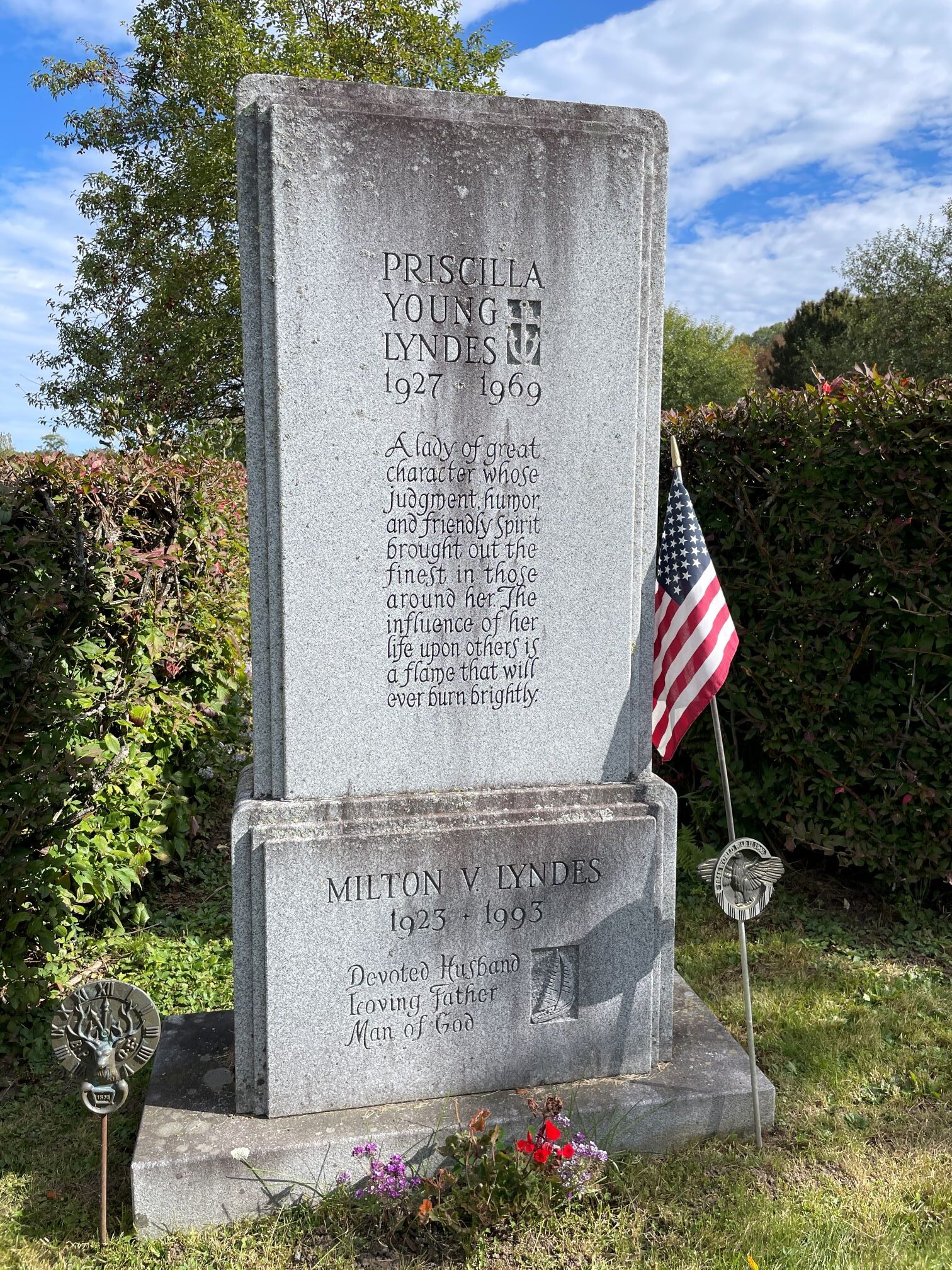
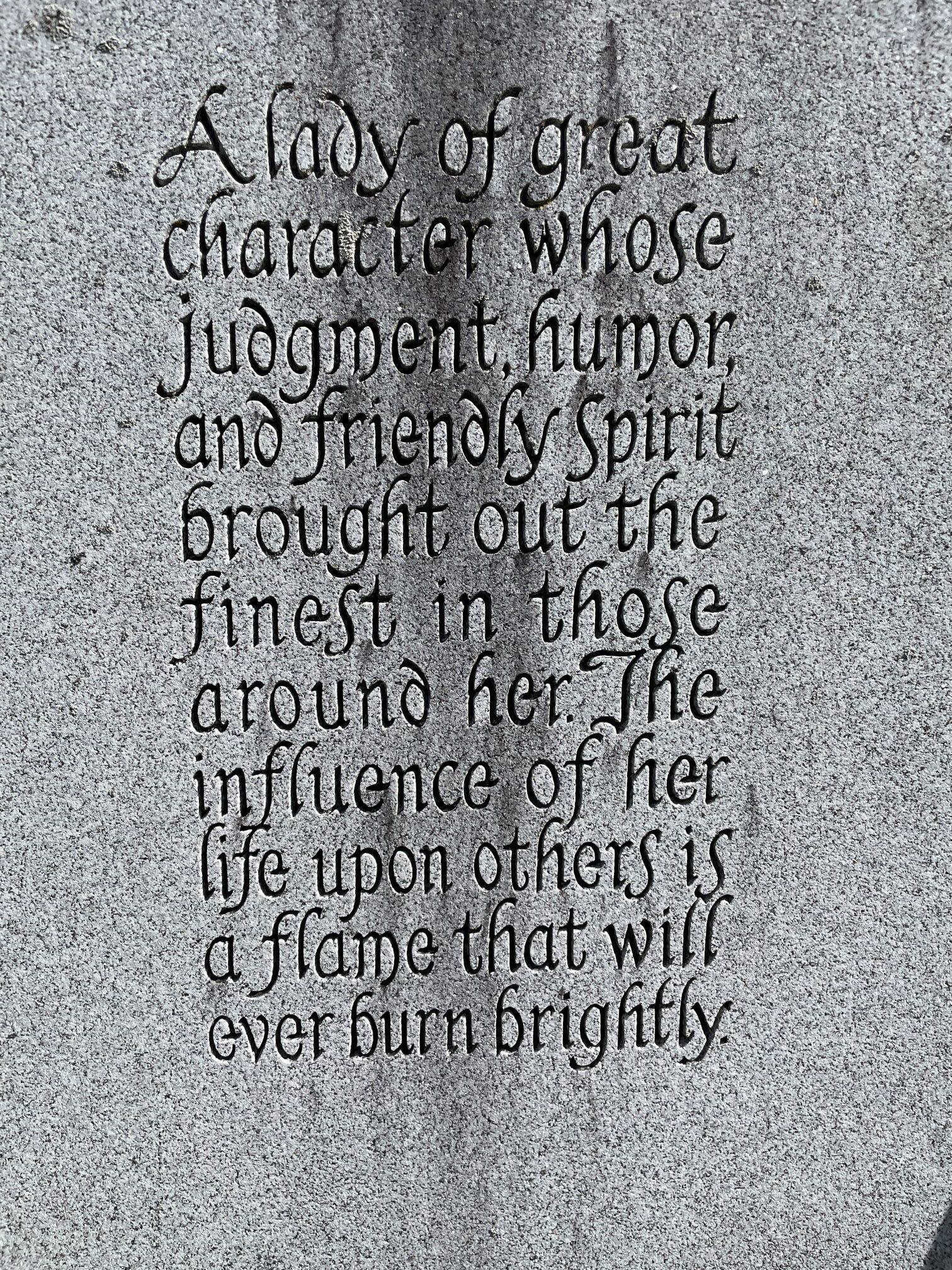
I noticed a lot of nineteenth-century tombstone symbolism carried forward on the stones I saw in this part of the tour. The thistles on the Black monument were not the only ones that popped up. Thistles on gravestones conventionally symbolism sorrow and Jesus’s crown of thorns, though they can also allude to someone being of Scottish descent. I think it’s probably sorrow and the crown of thorns for most uses of thistles in Hope Cemetery.Besides the lamp of immortality and eternal life on the front, the side of the Rossi monument includes a dramatic spire reminiscent of Gothic churches.A notable number of mid-twentieth century stones, like the Cestaro one, consist of slim, elongated forms strongly reminiscent of upside-down coffins.The joined hands as a symbol of a married couple dates back to the early 1800s as a funerary icon. How striking to see it almost two centuries later on a stone for people who aren’t even dead yet!Context matters when evaluating tombstone iconography. The Elmo Peduzzi stone includes carvings of a stonecutter’s traditional tools. The off-center, asymmetrical placement and floral accent to the depictions suggests that the tools are there to represent Peduzzi’s work as a stonecutter.In contrast, the Jorgenson stone includes representations of similar tools, but they are symmetrically arranged in a circle, indicating that the person being commemorated was not only a stonecutter but also a member of a stonecutters’ fraternal society, the name of which I have not bothered to research.The Bonacorsi stone displays a modern interpretation of a medieval story surrounding Lucy of Syracuse, also known as Santa Lucia or St. Lucy, as she’s known in English. She’s a saint and Roman martyr who died around 304 AD. Medieval accounts of her martyrdom mentioned that either her torturers gouged her eyes out, or she removed them herself because a suitor liked them. When her body was being interred in the family mausoleum, her family discovered that her eyes had somehow regenerated.Eyeballs in a dish are one of St. Lucy’s attributes. Among other things, she is the patron saint of people with eye diseases and blindness. Never expected to see someone looking so utterly blase about eyeballs in a dish… [That thing in her left hand is apparently a palm branch, another attribute.]A vogue for high-relief scrolls and flowers hit Hope Cemetery in the early 1900s and persisted through the late 1910s. You can really see it because a large number of high-relief monuments are all clustered in the same section of the cemetery. An early high-relief stone, with lily and scroll, for Attilio Bini [?] in 1903.Remigio Guidici’s 1909 stone includes another treatment in vogue at the time: stone carved to look rough and uncut.Leo Rizzi’s high-relief stone from 1911.Manuel Diego Gutierrez’s 1918 stone represents one of the most elaborate high-relief stones with lilies both full and broken, including delicate stems fully unsupported by the stone out of which they have been carved. The scroll unrolls in two directions, and the raised epitaph offers the carver another place to showcase technical skill.The guidelines incised during the carving are still visible on the upper portion of the stone.Attilio Danesi’s stone, also from 1918, gives the stonecutter plenty of opportunities to show mastery of high-relief flowers, a double-rolled scroll, a hand limp with grief, and the look of uncut stone. A cluster of high-relief stones commemorate people who died in 1918, probably from the Spanish flu epidemic.Chronologically and thematically, the Marforio monument, with high-relief tree trunk, oak leaves, acorns, and scroll, belongs to the same group as the stones with high-relief flowers on them. It’s also standing right next to them.Carved over 70 years after the high-relief boom, Angelo Sessa’s stands among its predecessors and continues the tradition with a tree trunk, some lilies, a scroll, and even a high-relief cross.The Fontana monument takes high relief to the next level with a whole dang tree AND the uncut look AND a colonnade AND a very fancy lettering style on FONTANA. Whoever did this is really showcasing their skills in various intricate, delicate kinds of stonecutting.Besides Natale, who probably died from inhaling stone dust, this stone also memorializes Annie, who was about six when she died. The portrait remains in decent shape.The difference in detail between the deeply incised roses and the simple, generic clip art below on the Benedini stone is, uh, dramatic. They clearly picked the clip art from a symbolism catalogue.Another throwback to the nineteenth century, the double-headed Piro stone unusually puts the wife first, at left, even though she outlived her husband.Despite military decorations for the husband and a personalized engraving of a sailboat, the Lyndes monument unusually privileges Priscilla, in position [at the top], in the amount of space she’s given, and in length of epitaph. From the dates of their lives, we can see that Milton outlived Priscilla and presumably really, really, really missed her.Priscilla’s epitaph reminds me superficially of seventeenth-century New England epitaphs where husbands praised their consorts’ amiable virtues, but the epitaph updates the sentiment for today.