My mom and I went to Barre on July 25 and toured half of Hope Cemetery. Because Barre contains many granite quarries that attracted many talented stoneworkers in the late nineteenth and early twentieth century, Hope Cemetery is noted for many examples of their work. Many monuments include sculpture of portraits, elaborate floral bouquets, mourning figures, Jesuses, and a diversity of personalized symbolism. I love this cemetery because, while the majority of the monuments date from the twentieth century onward, many of them show the classic vocabulary of English Christian American tombstone iconography with unusual or modern interpretations.
I took lots of photos, but I’m not dumping them all here. I’m only showing the ones I thought most memorable. Click on any to show full size.
The following surnames were interesting enough for me to record: Wildgoose, Hurry, Xaiz. [Xaiz appears to be an Italian surname. I’ve just never encountered one with both an X and a Z in it.]
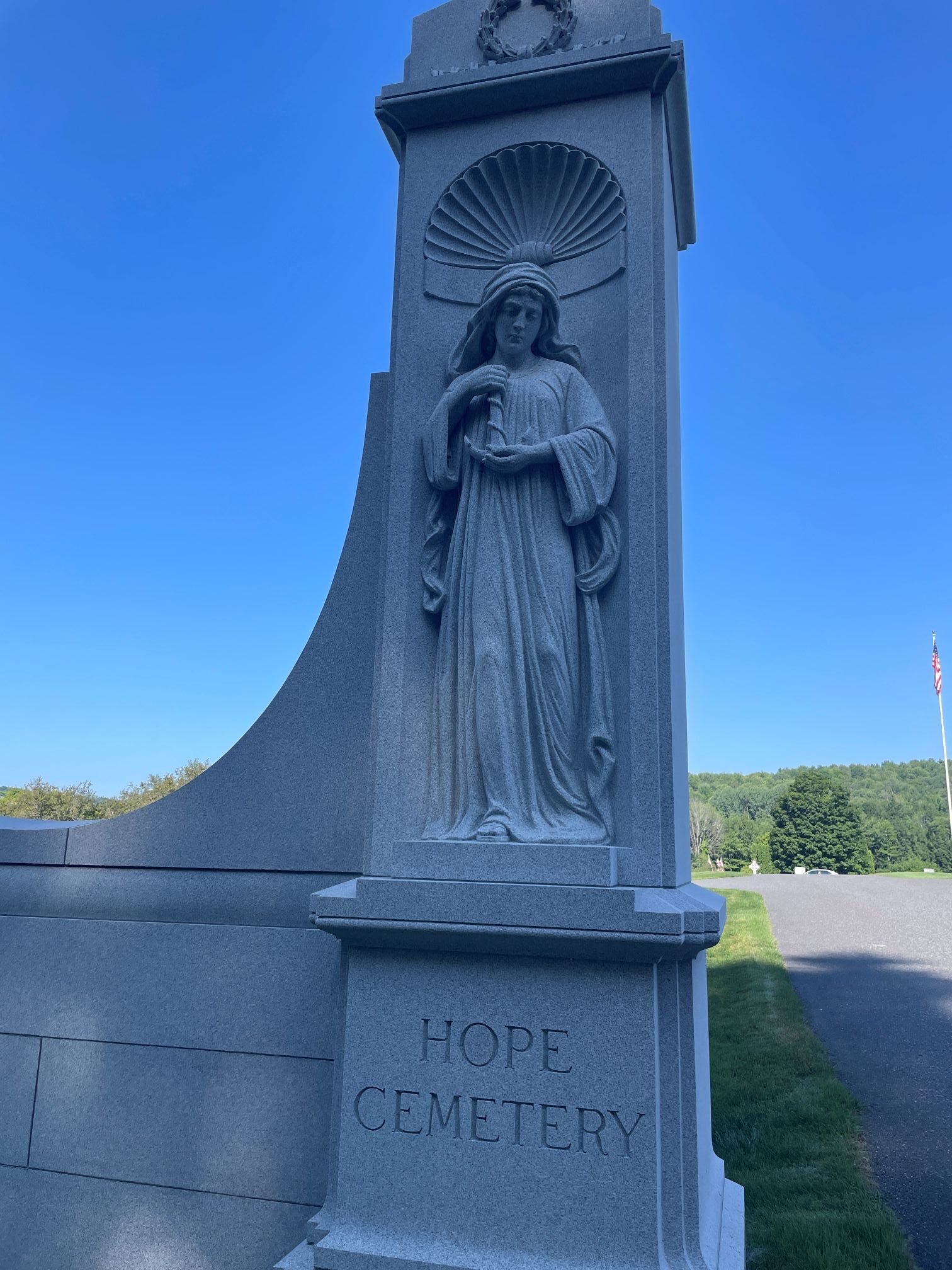
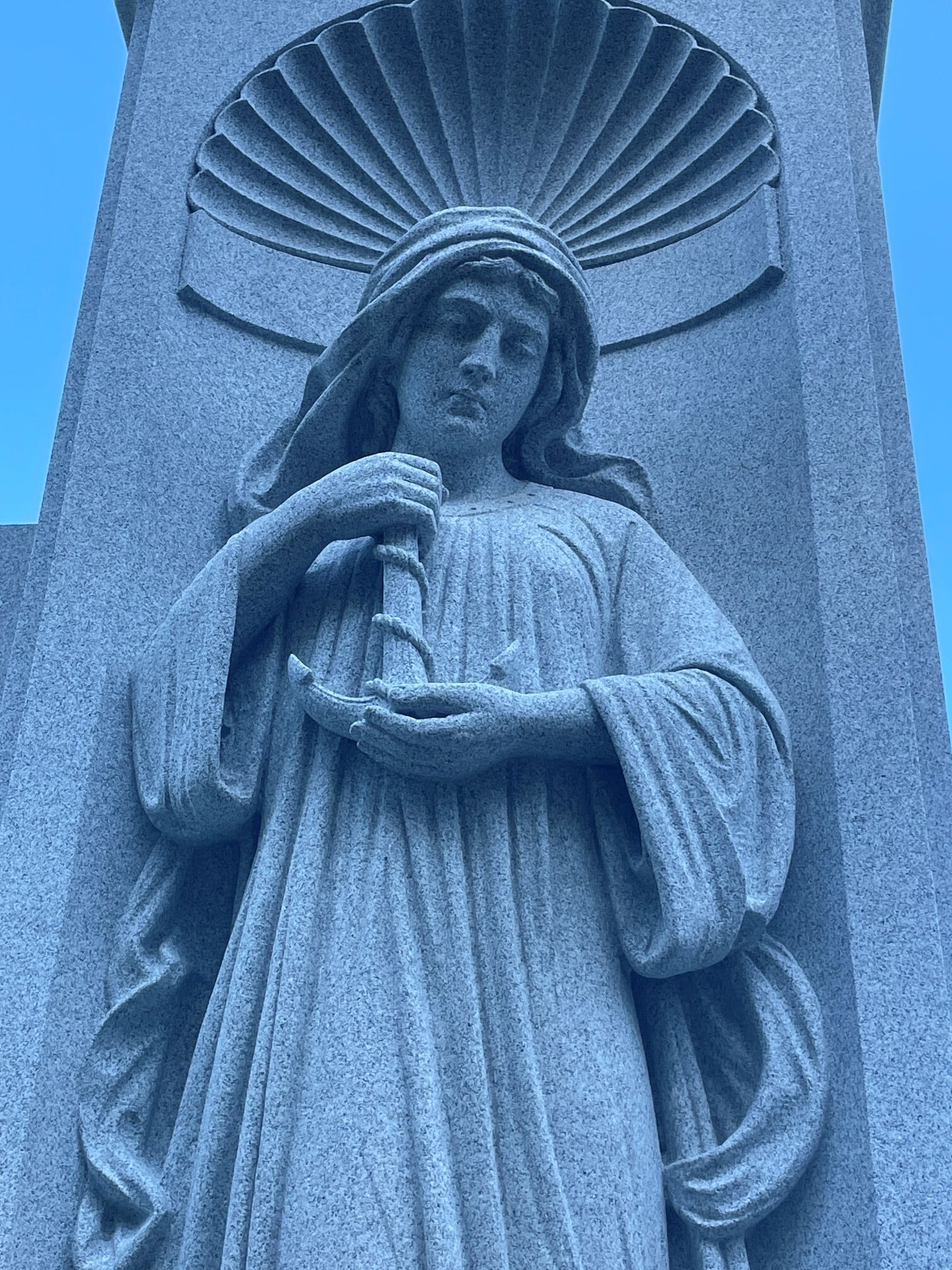
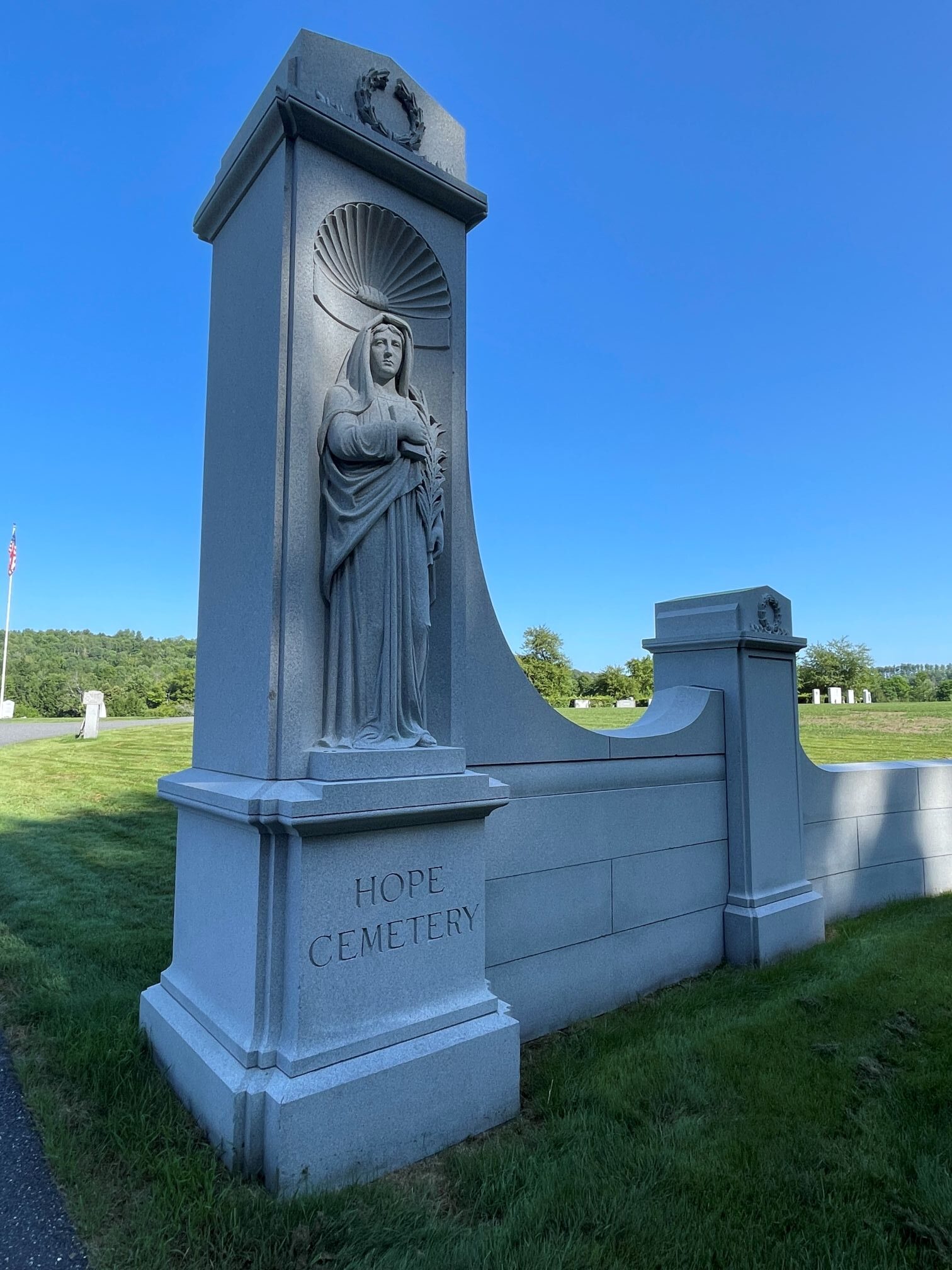
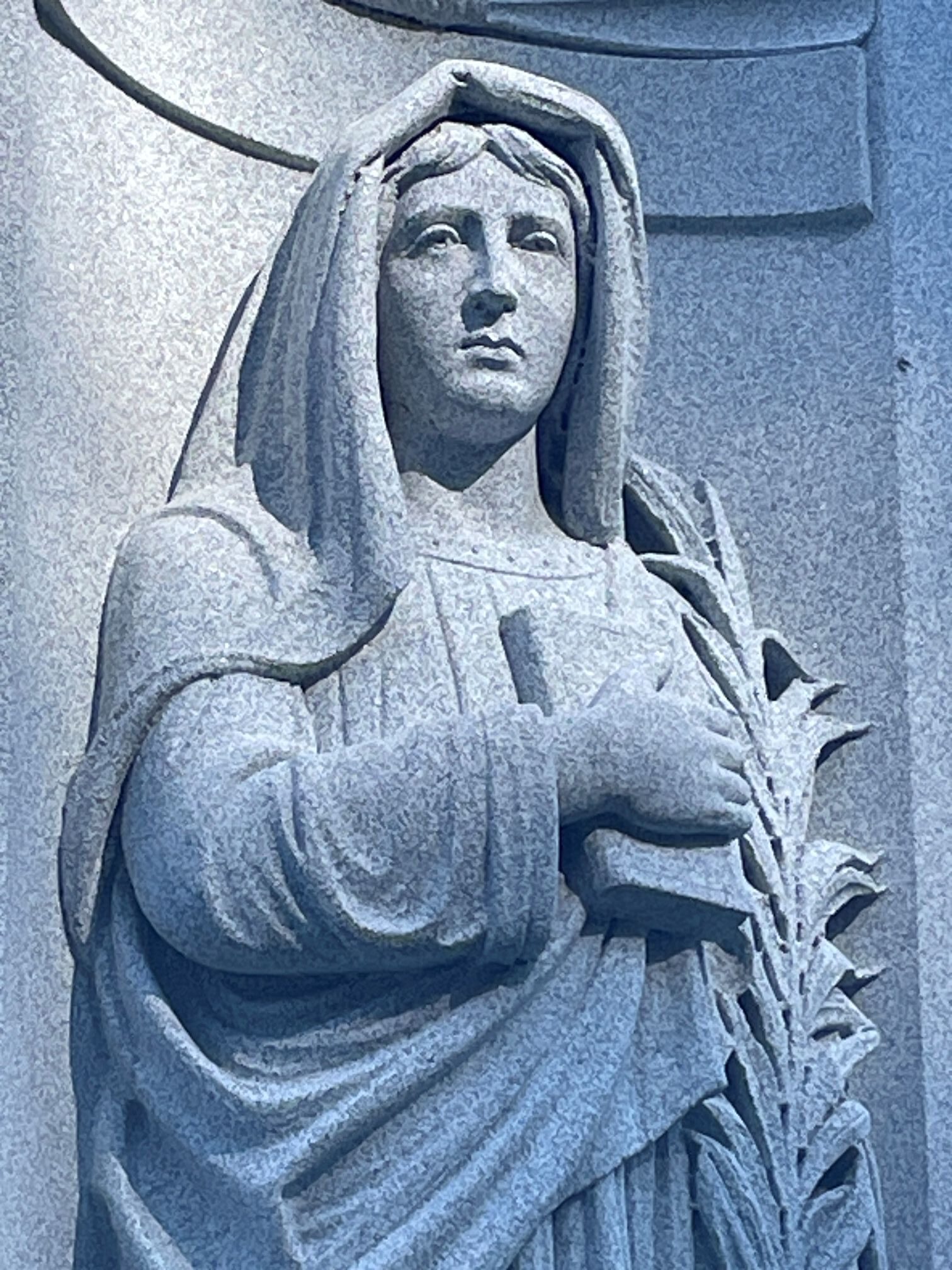
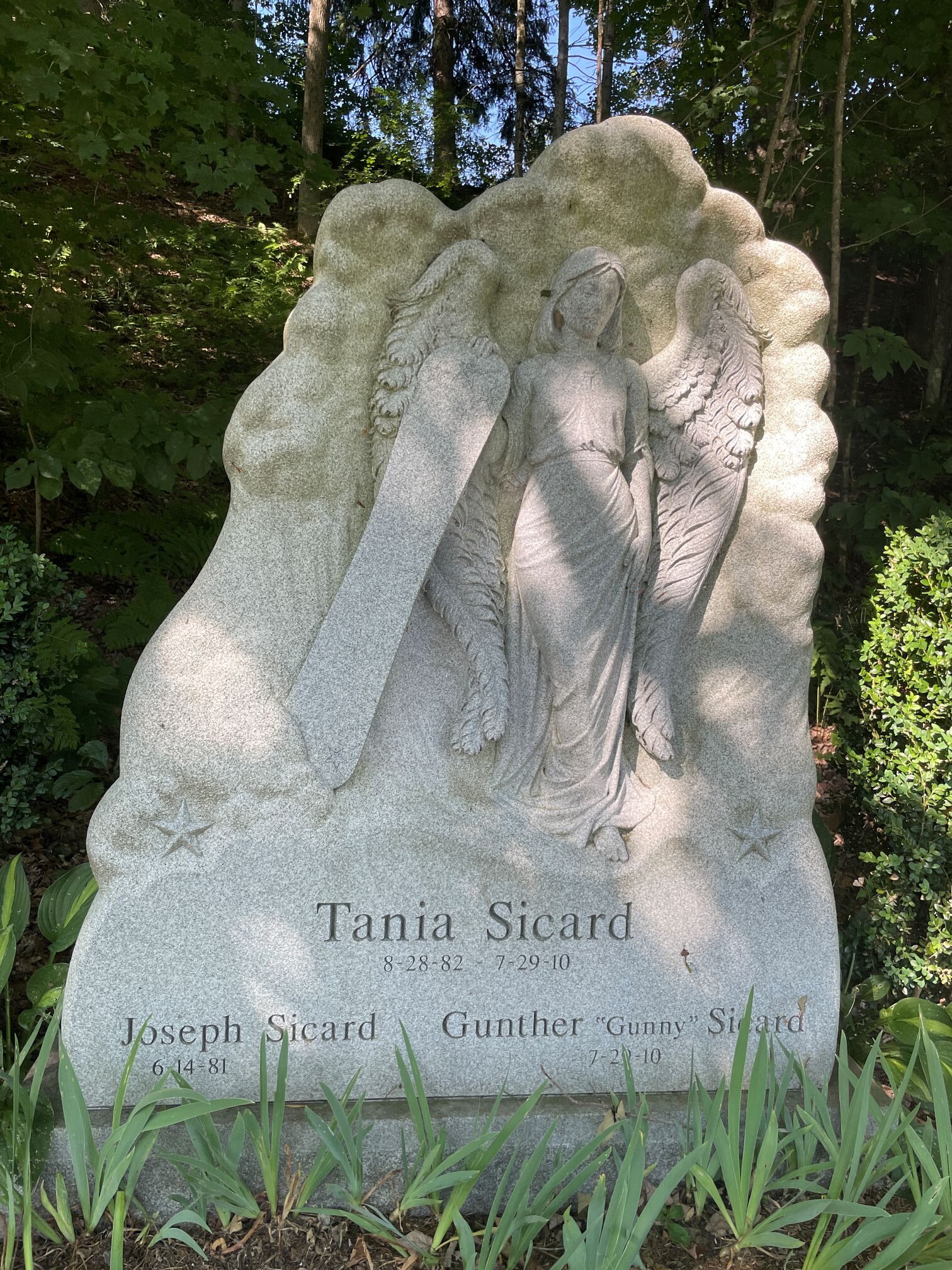
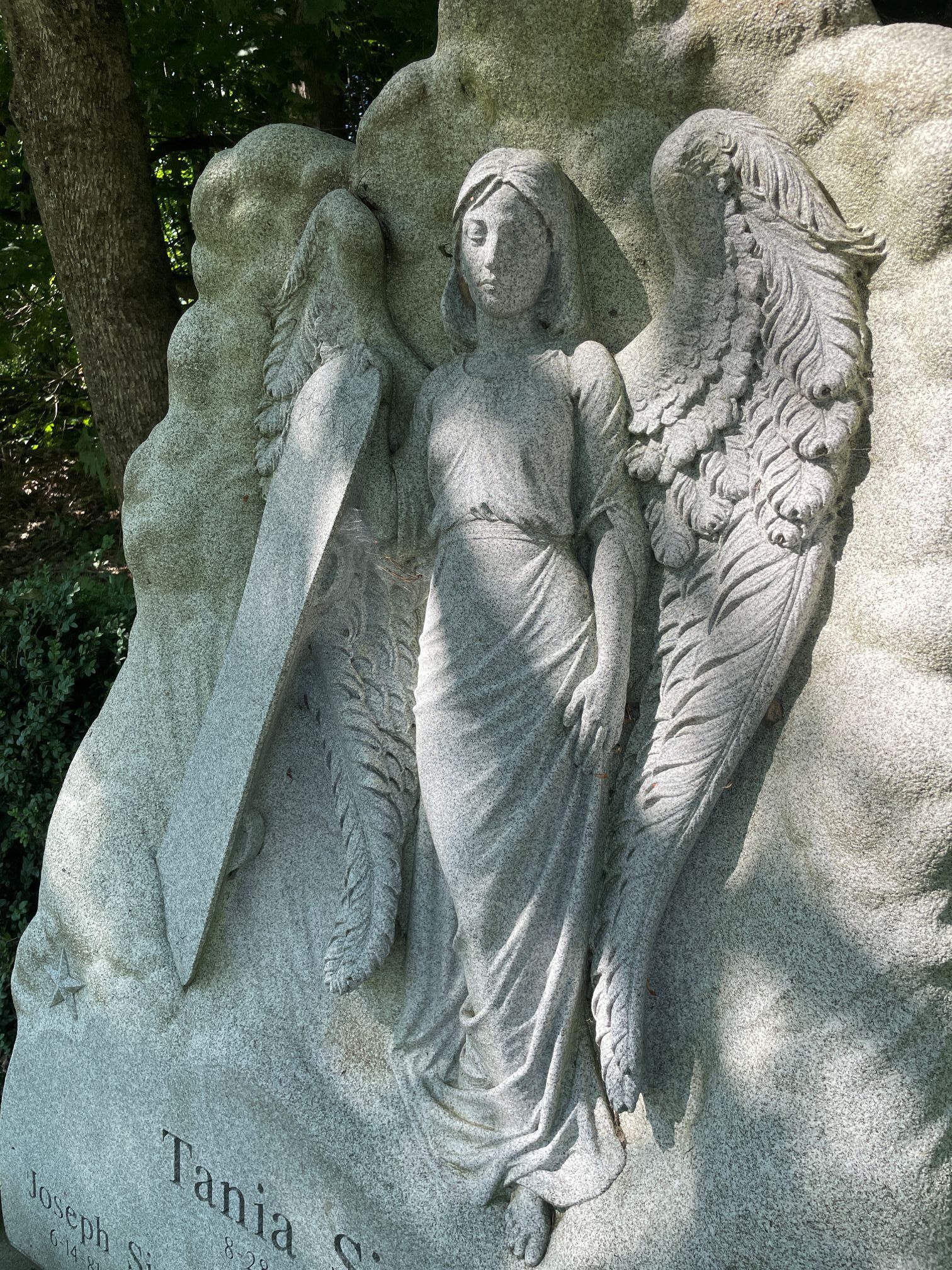
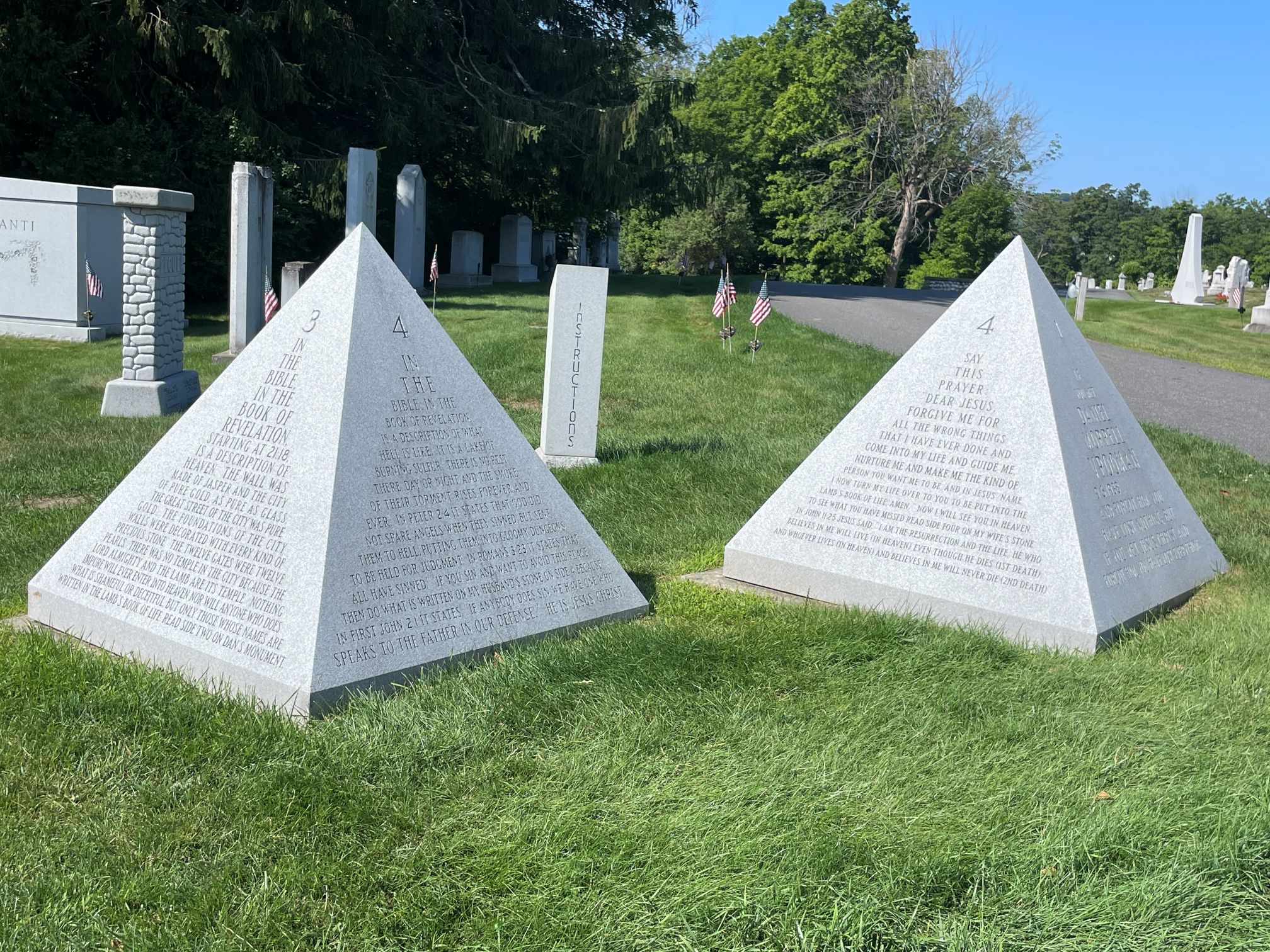
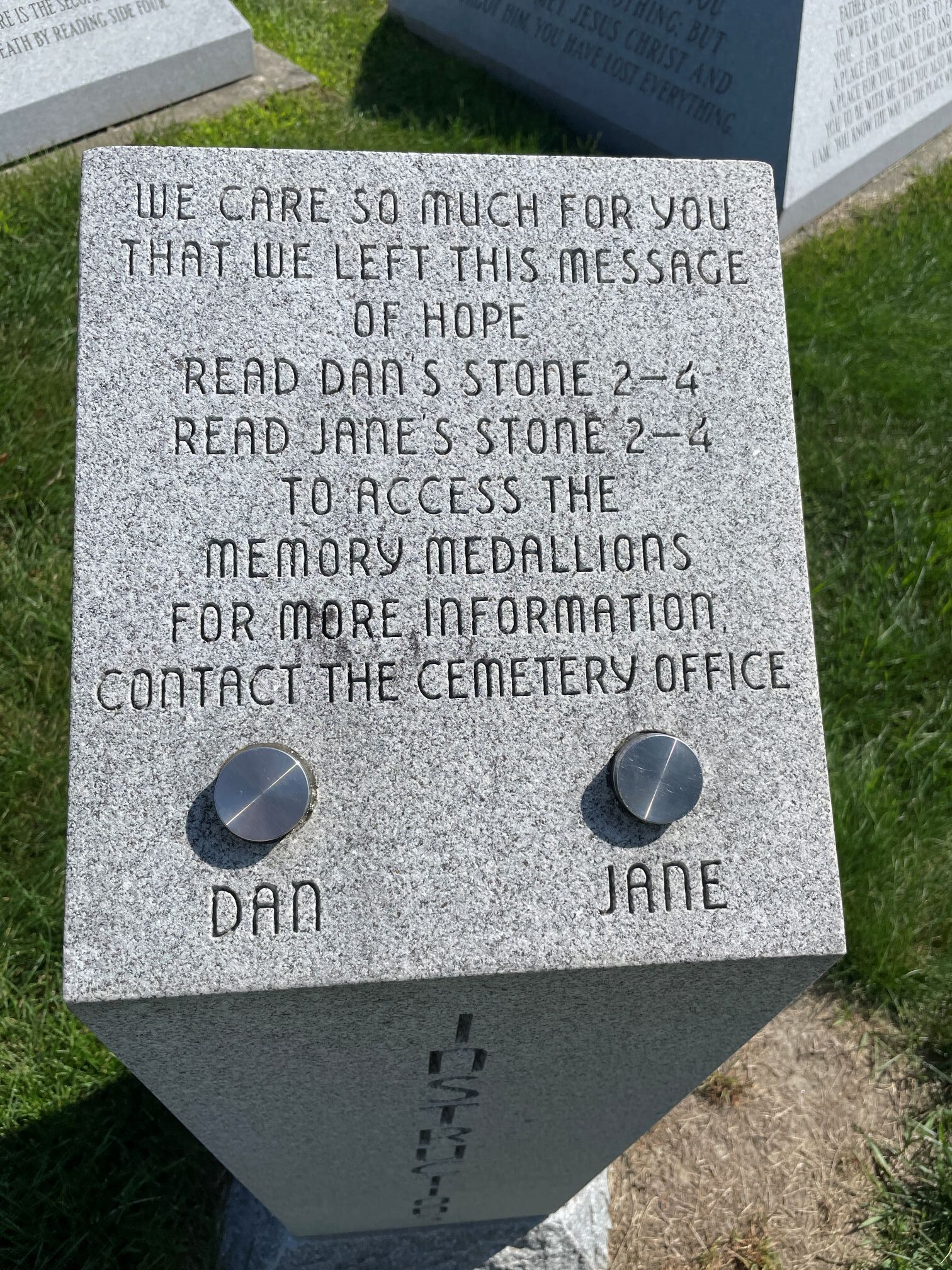
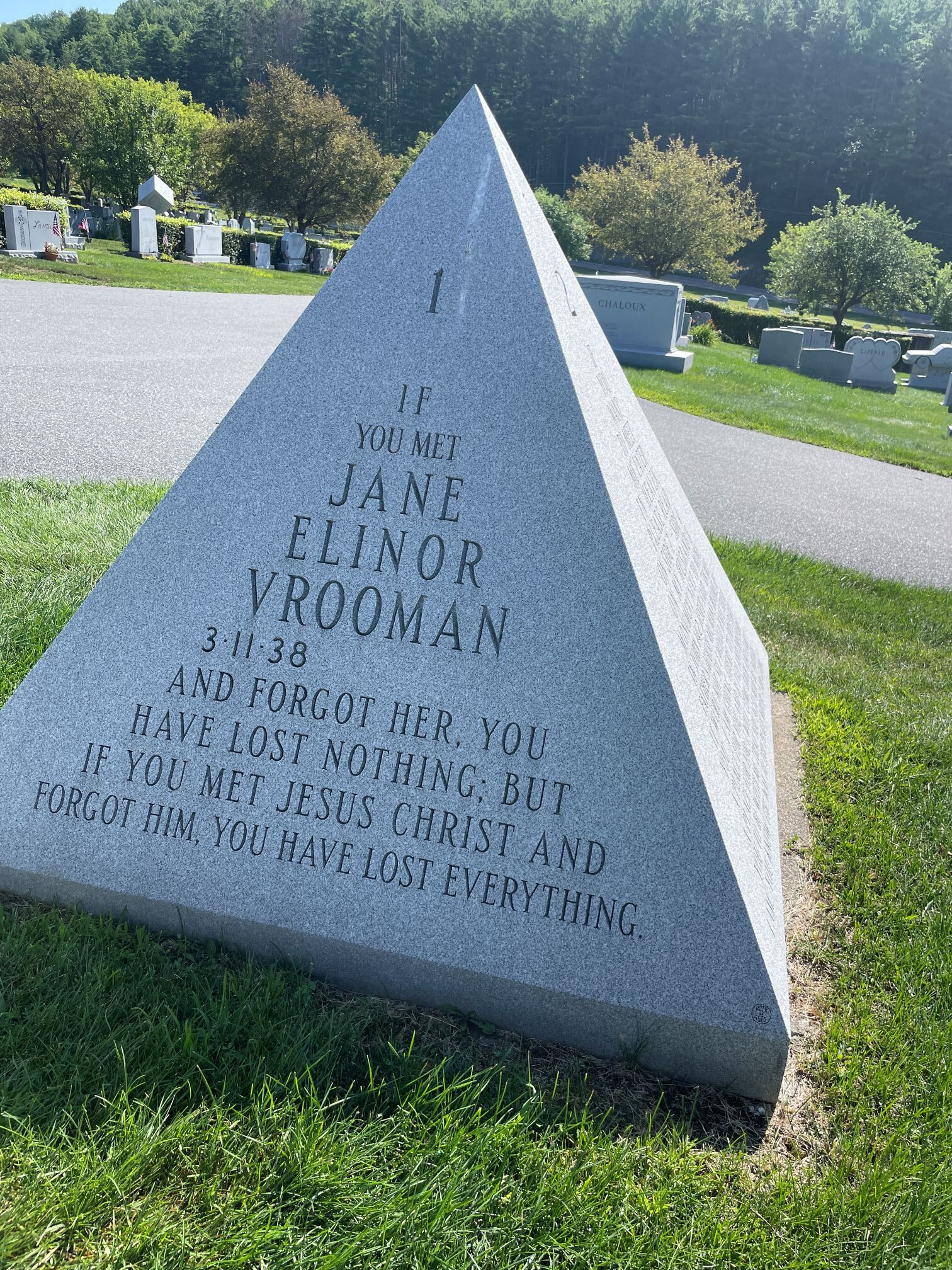
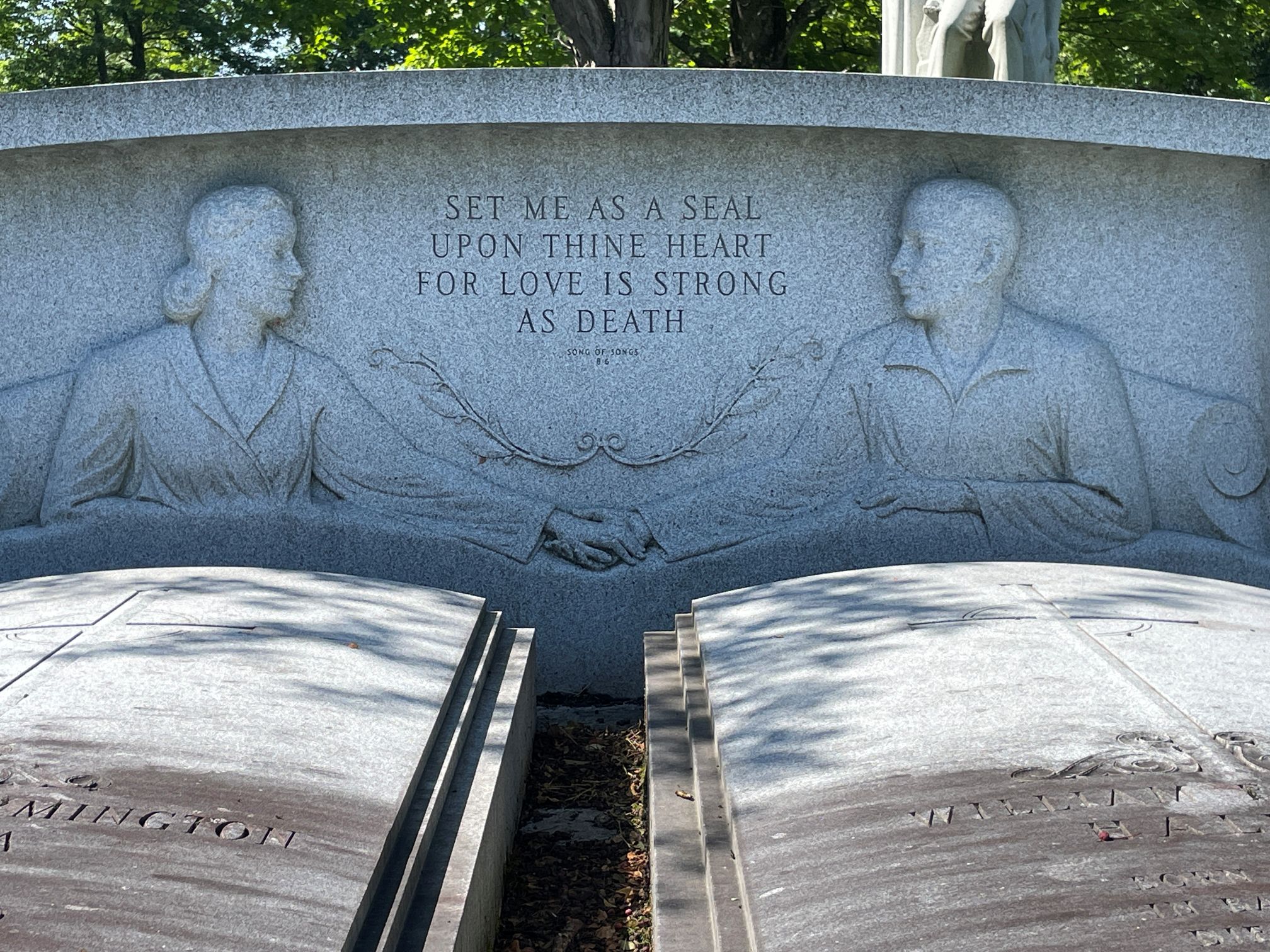
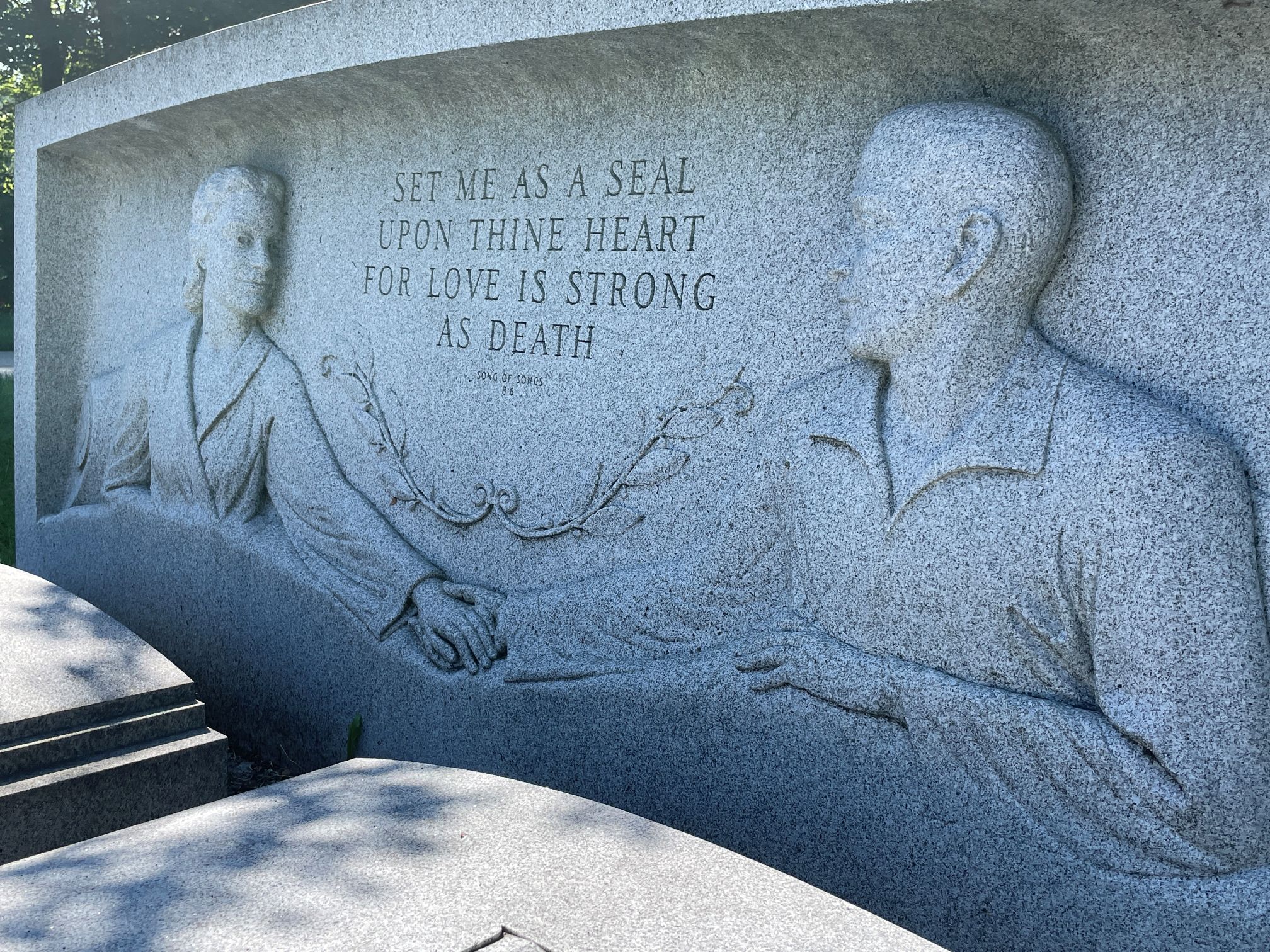
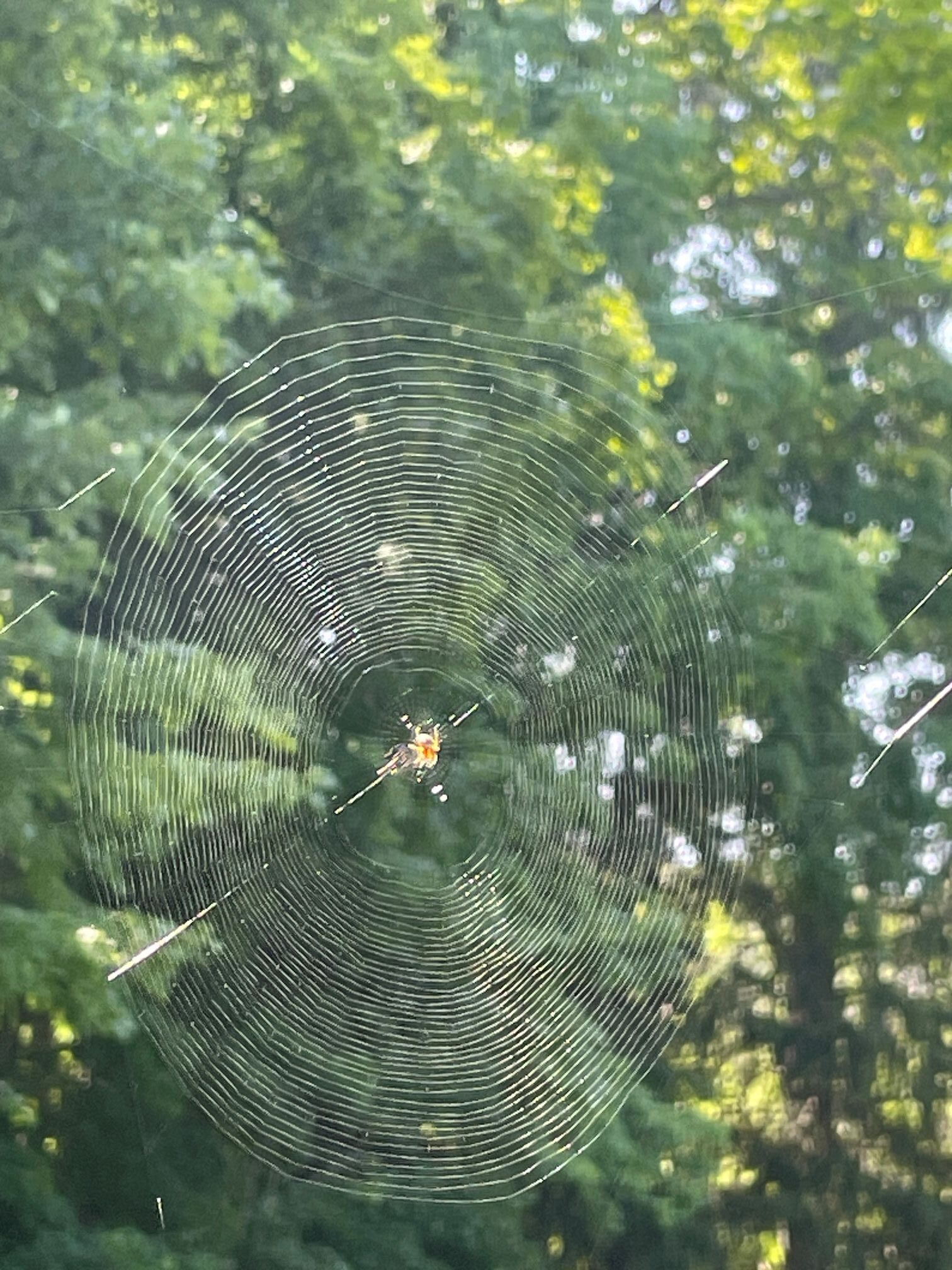
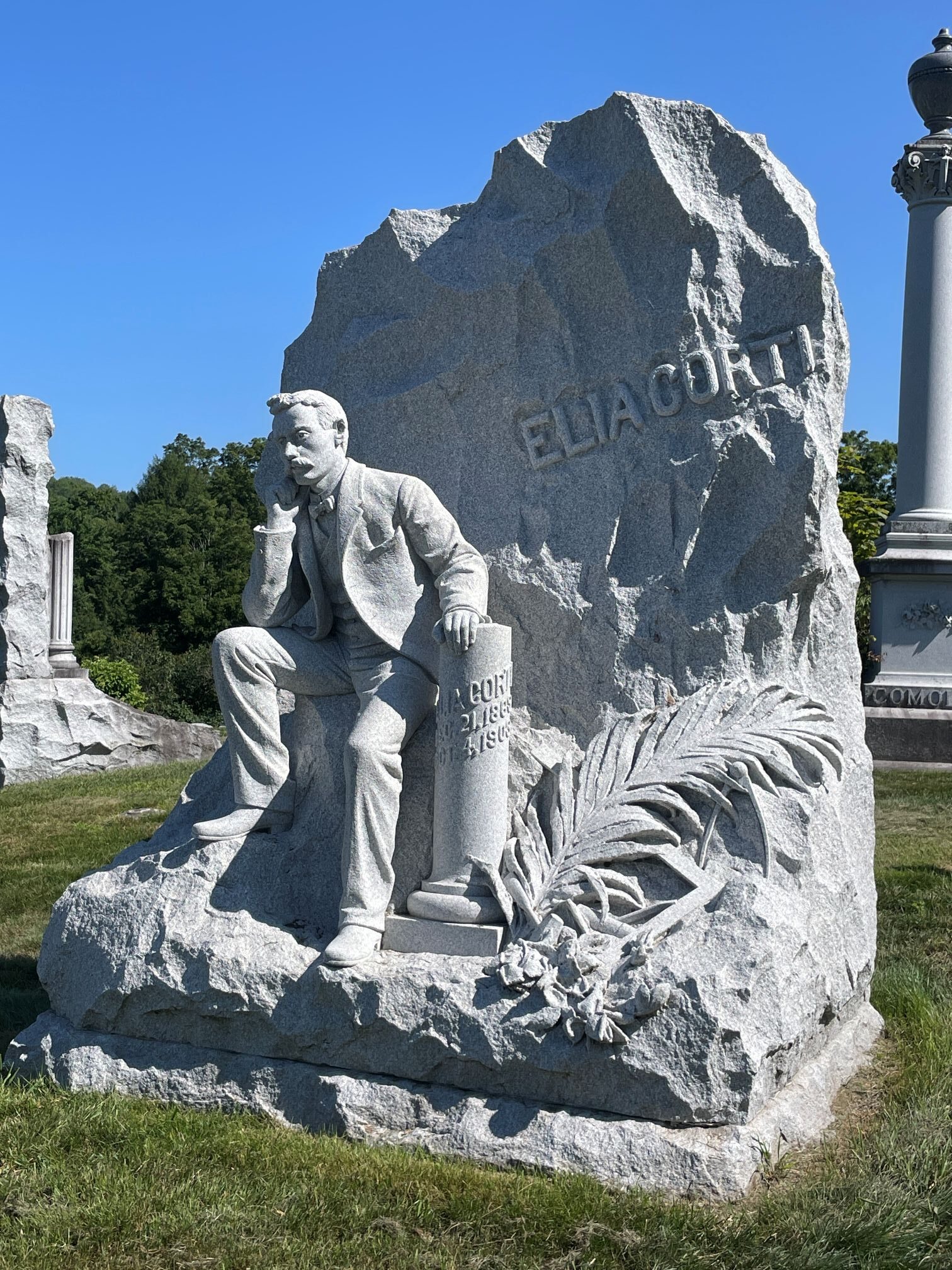
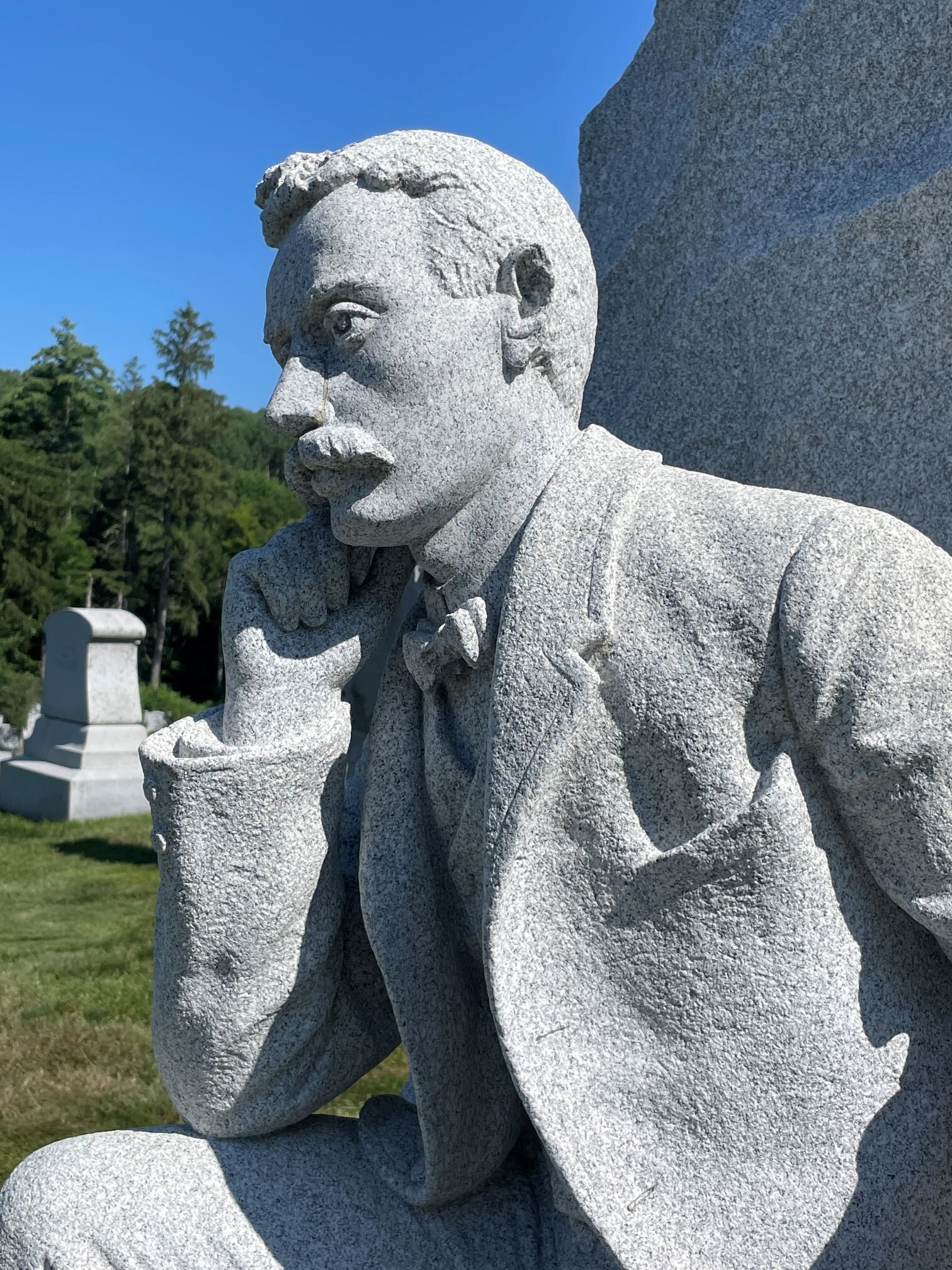
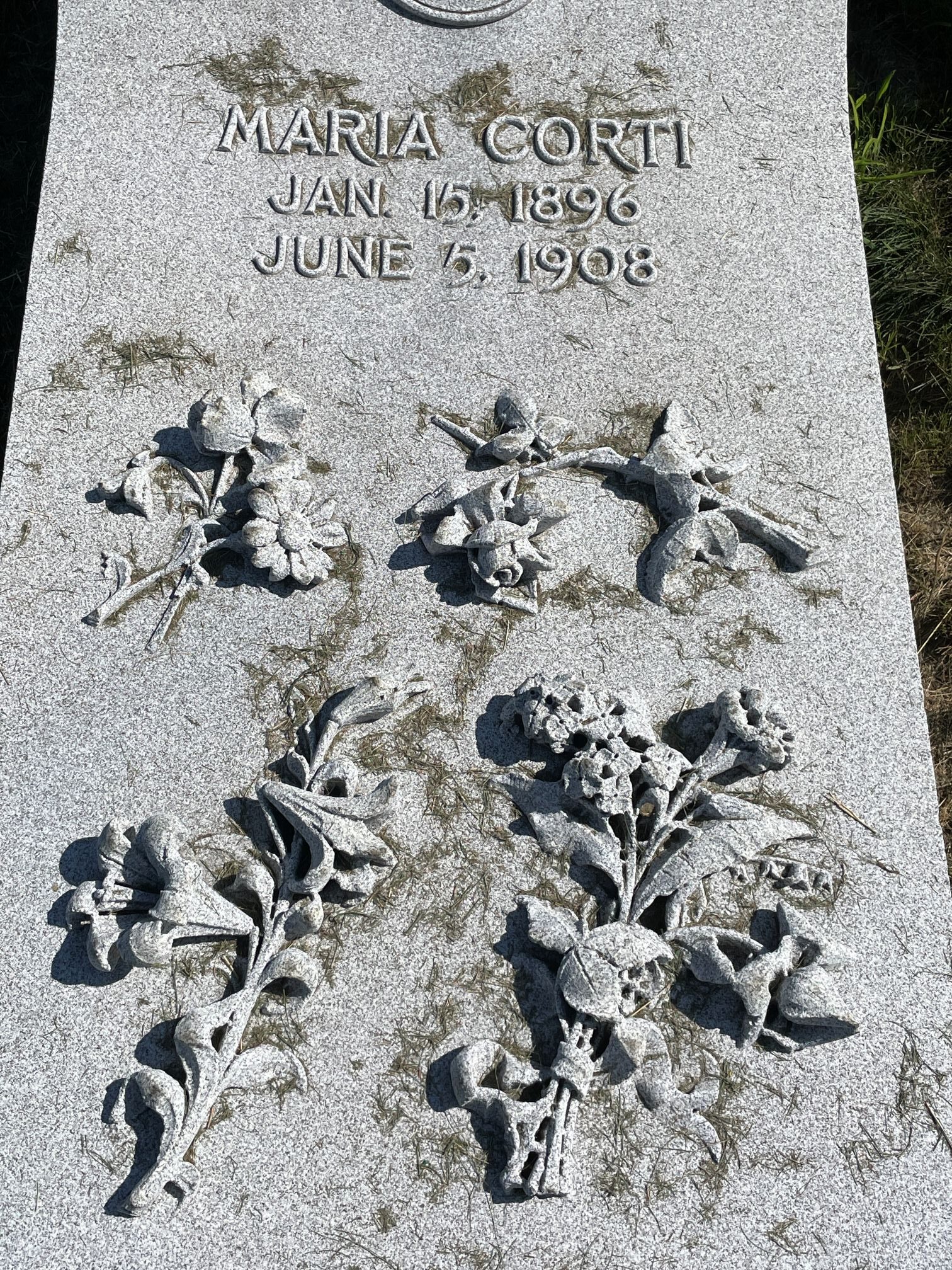
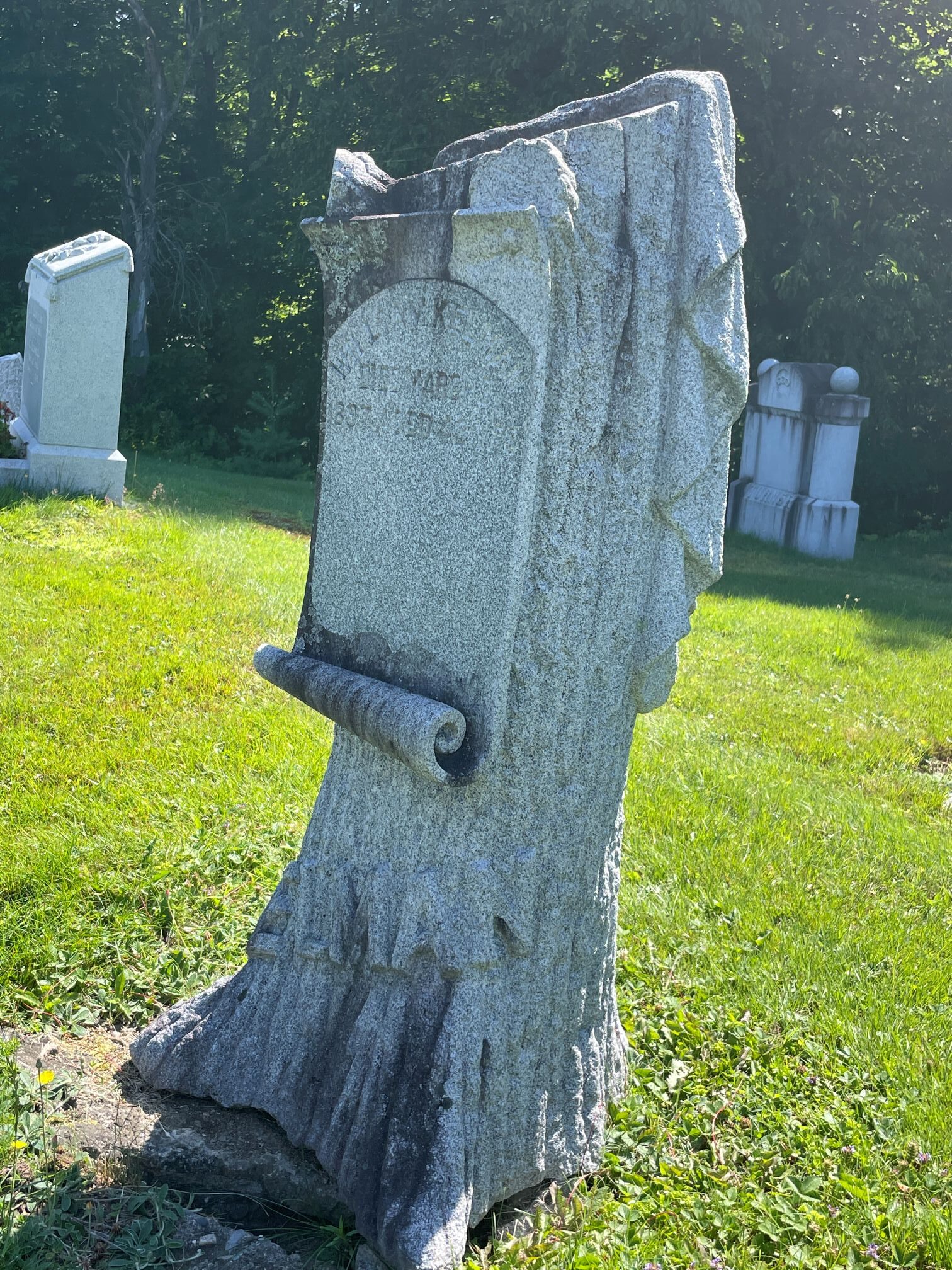
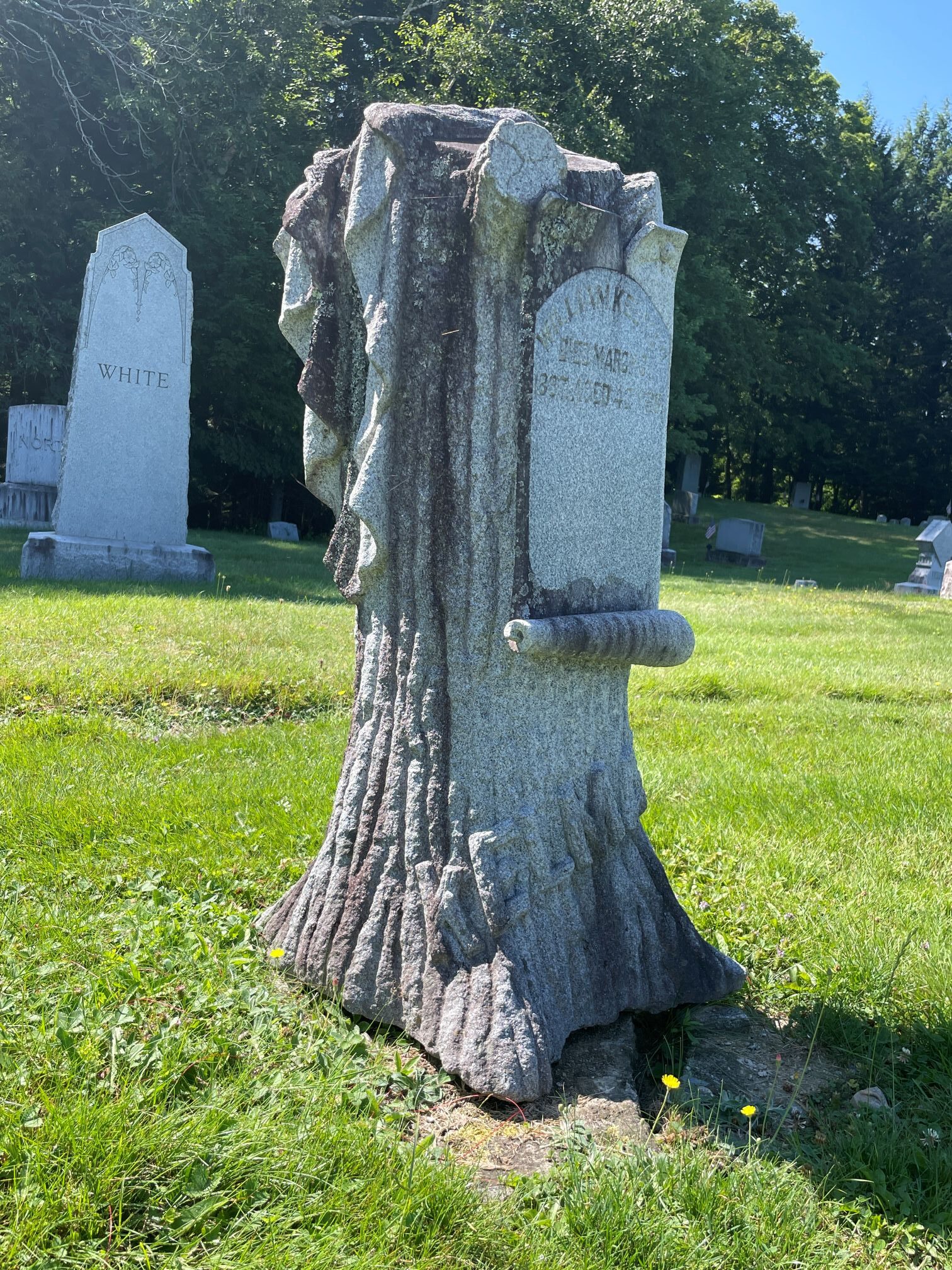
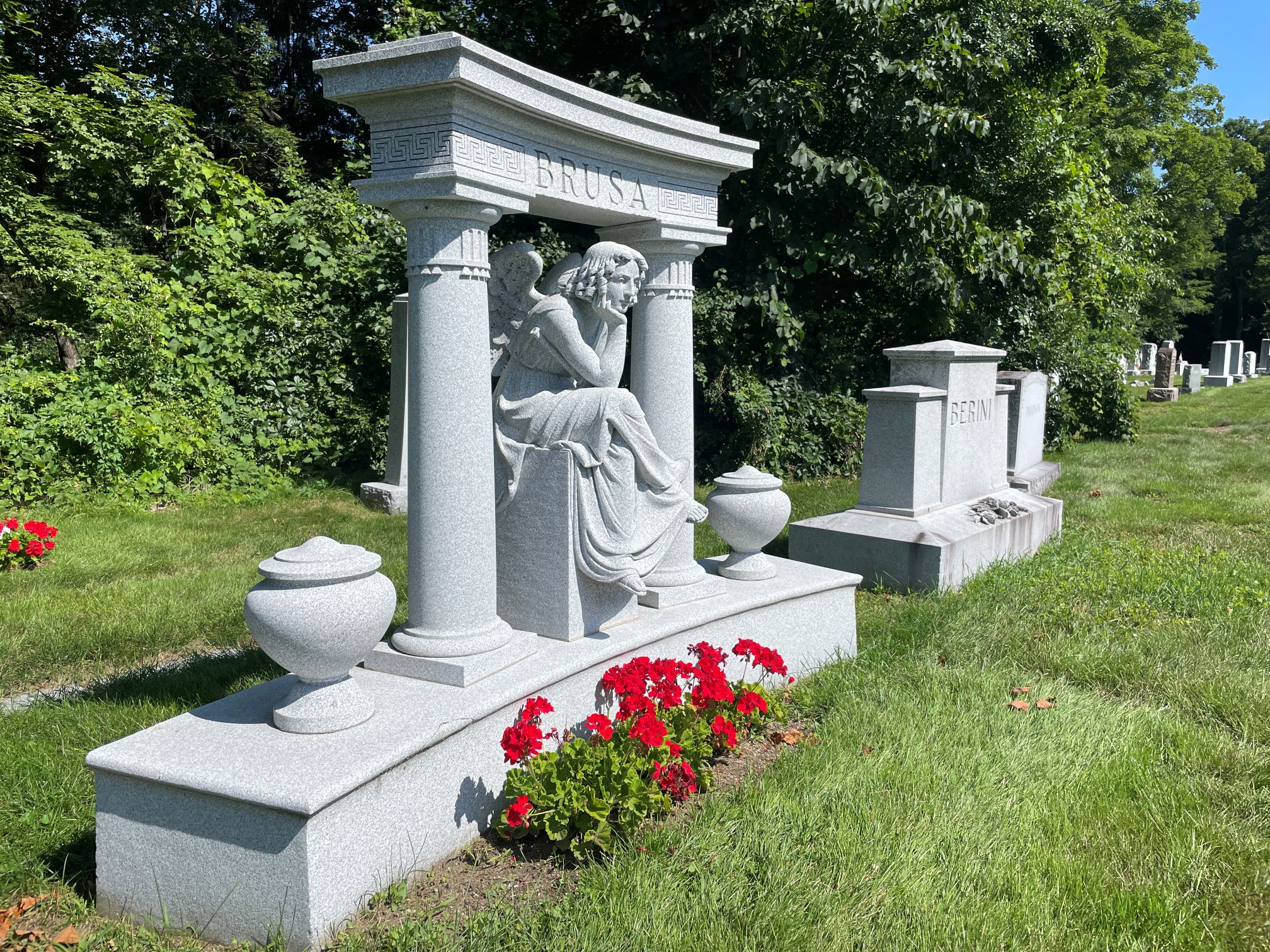
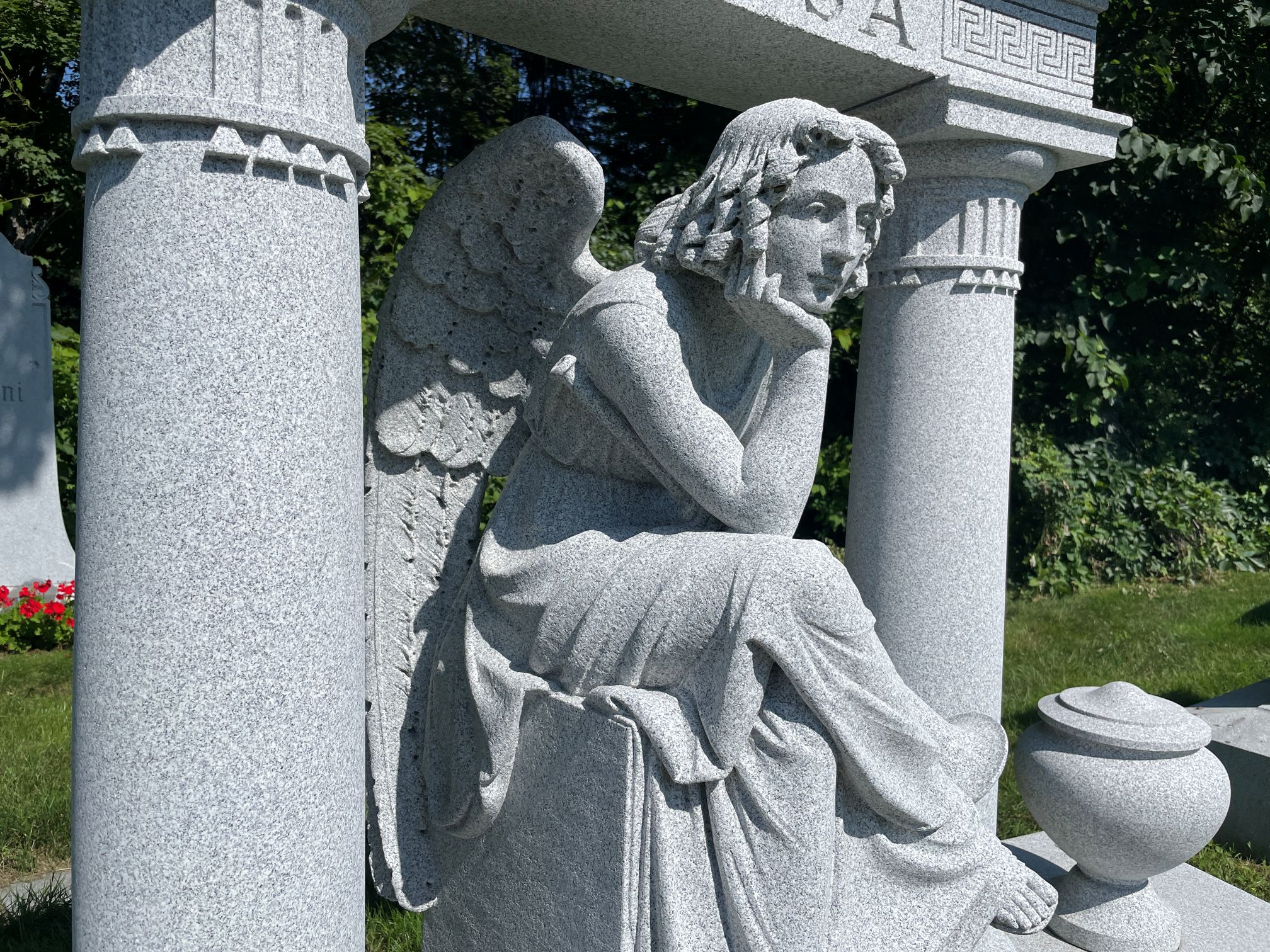
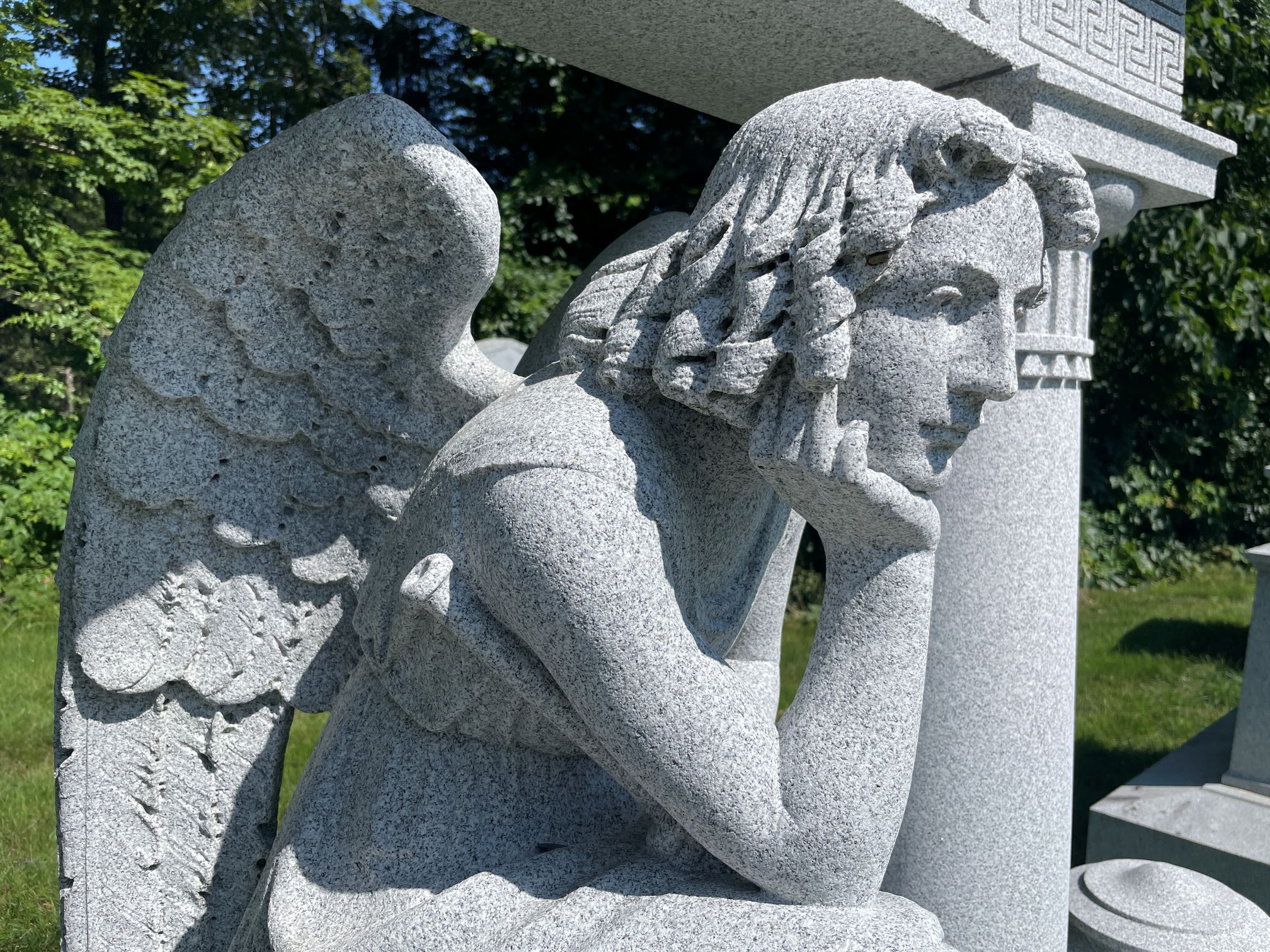
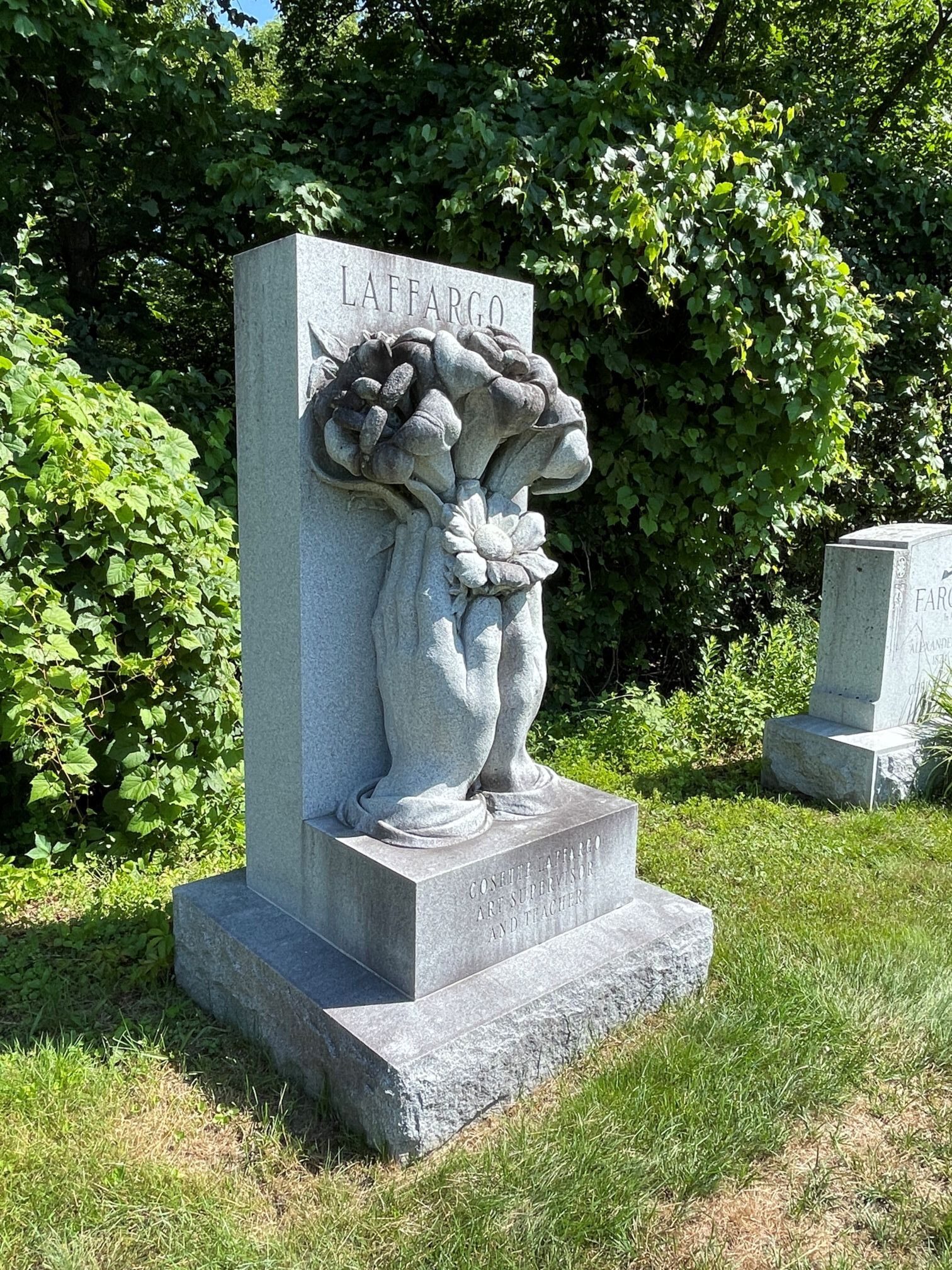
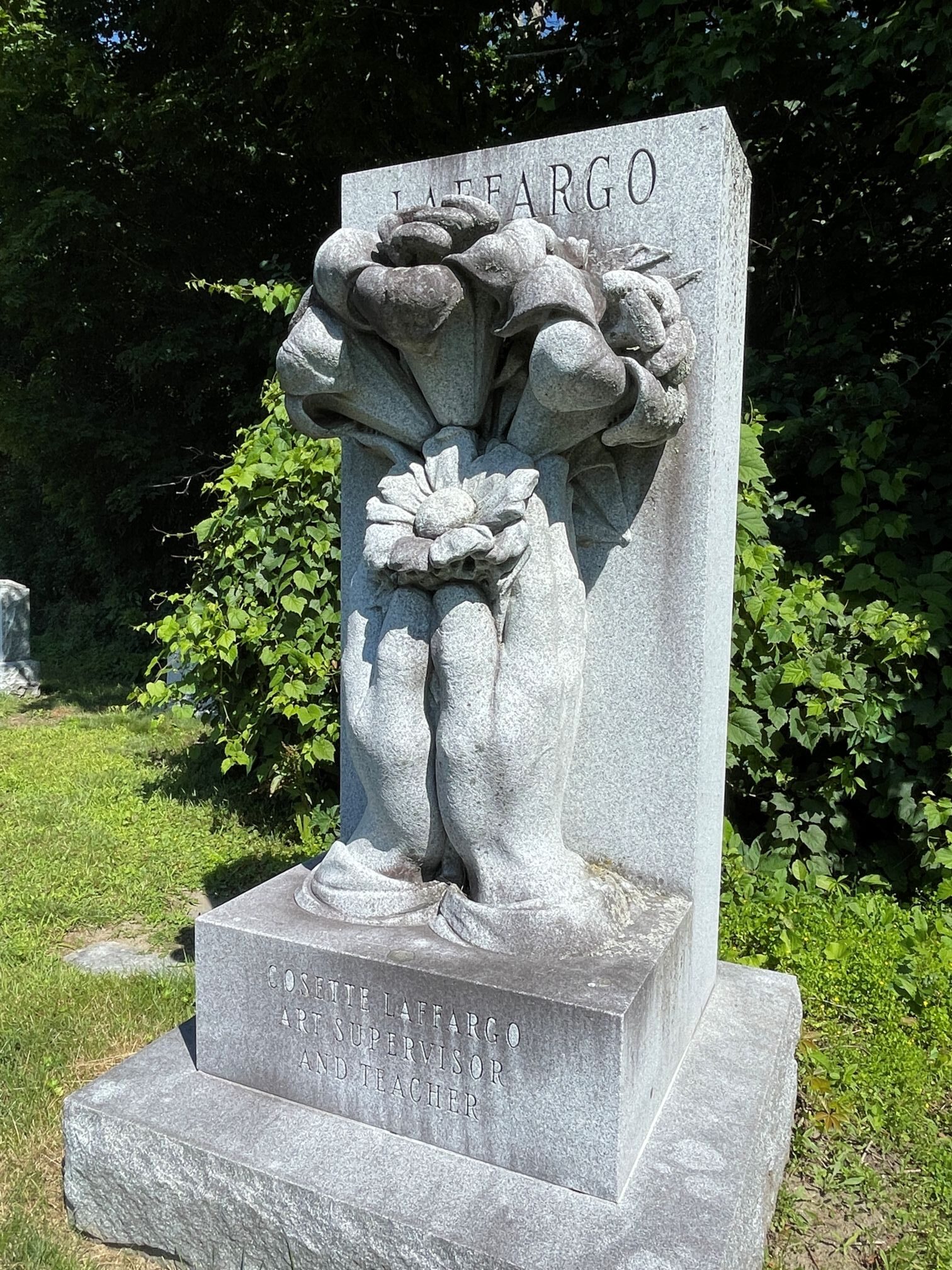
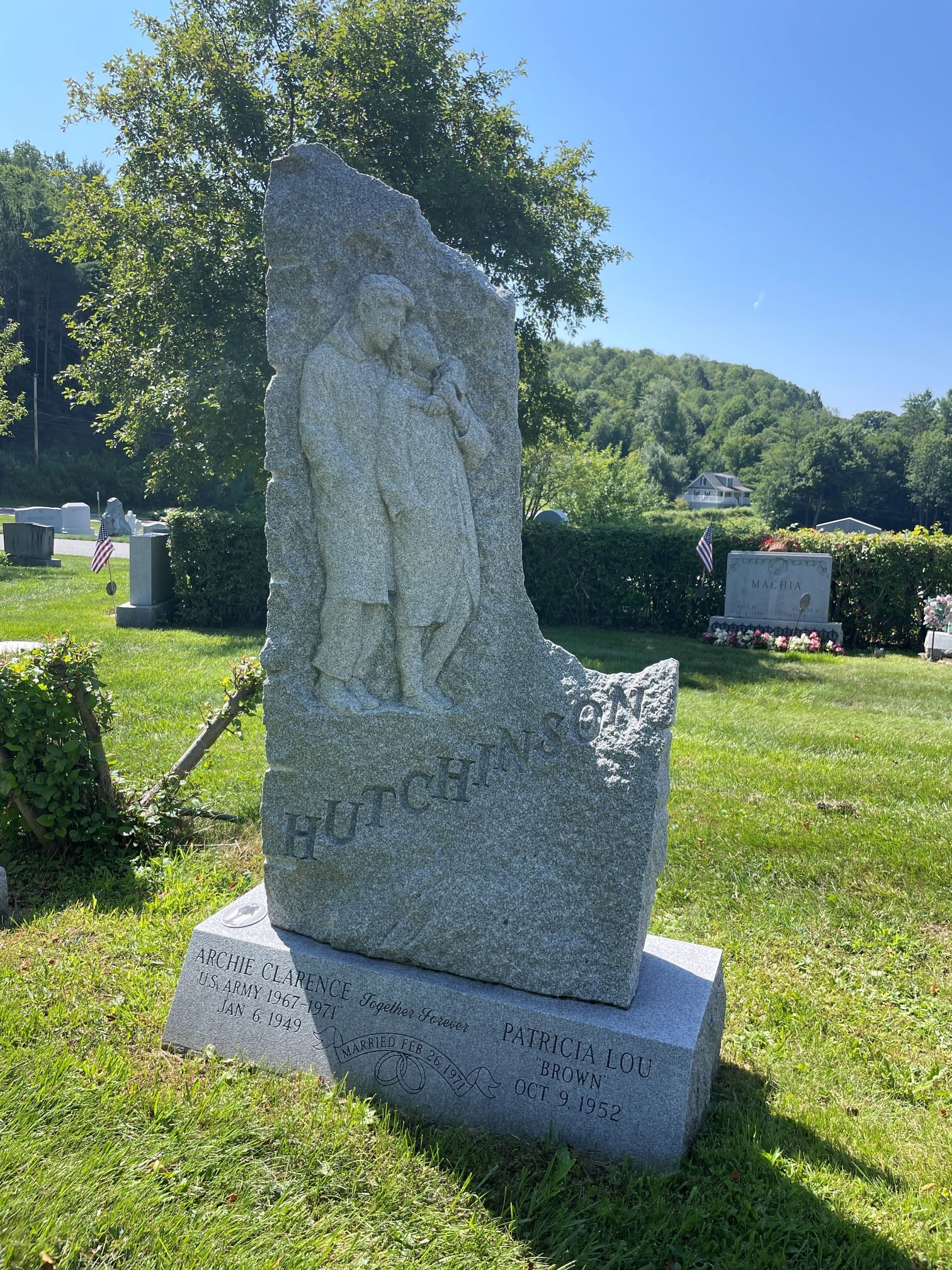
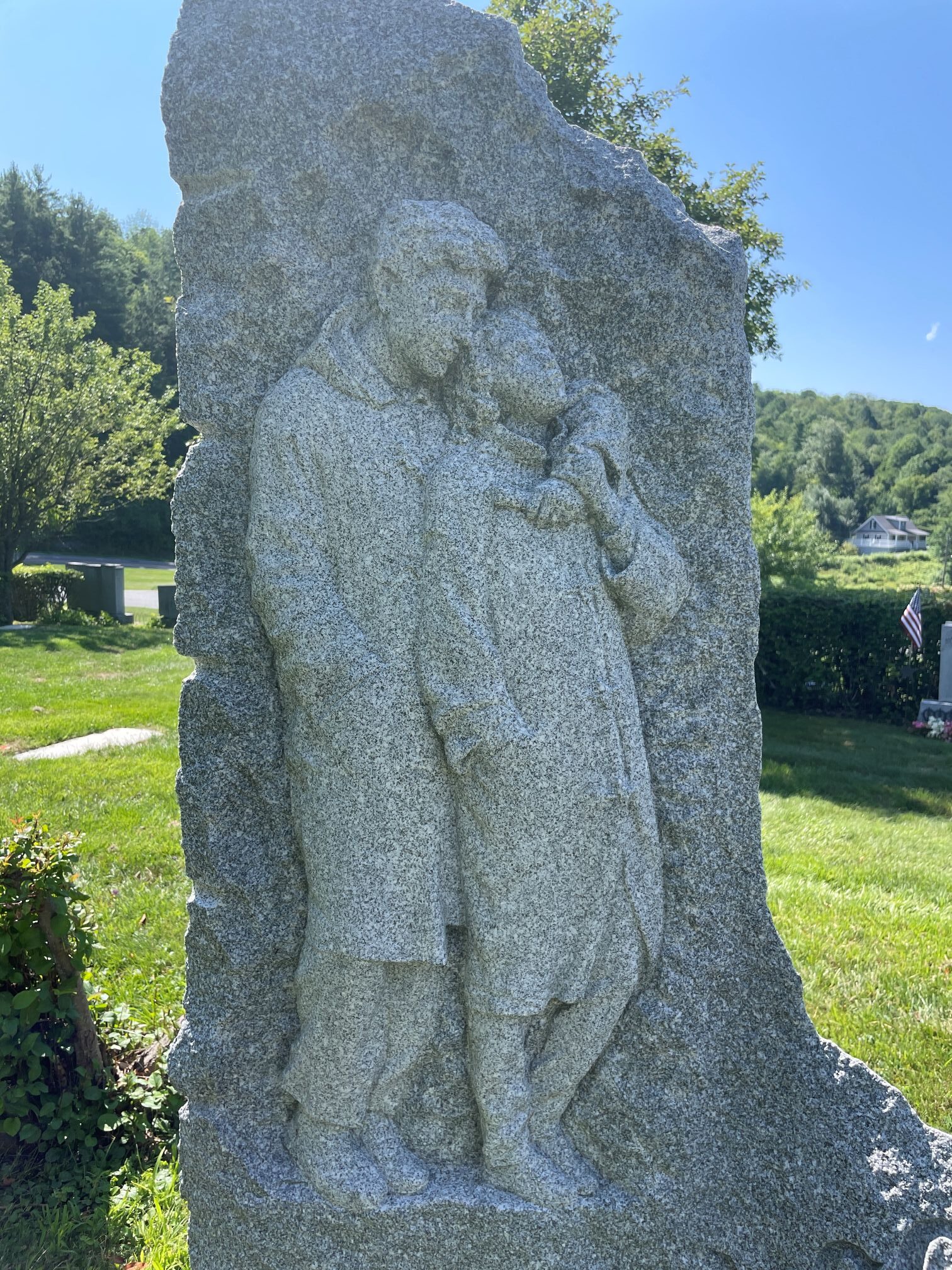
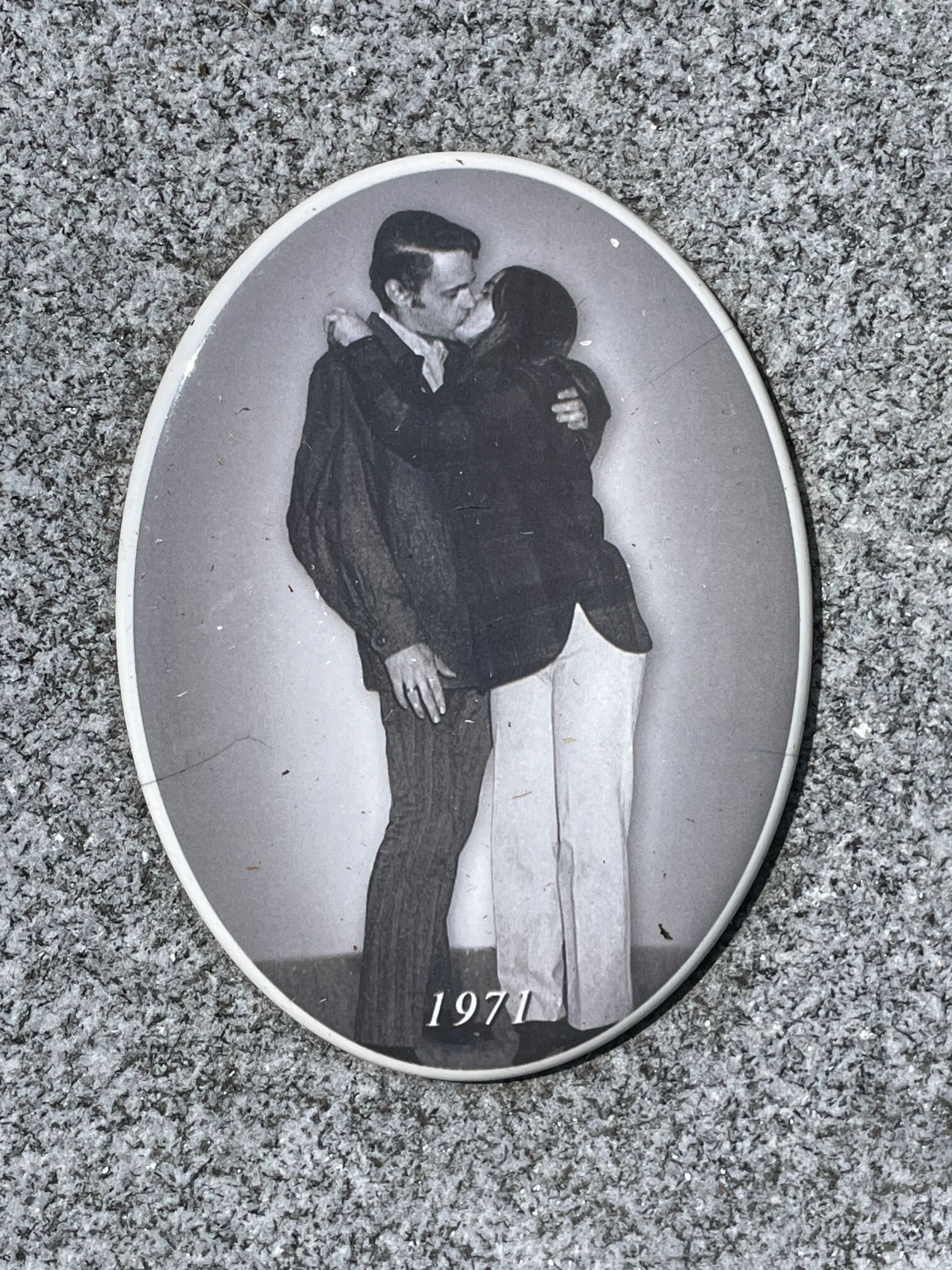
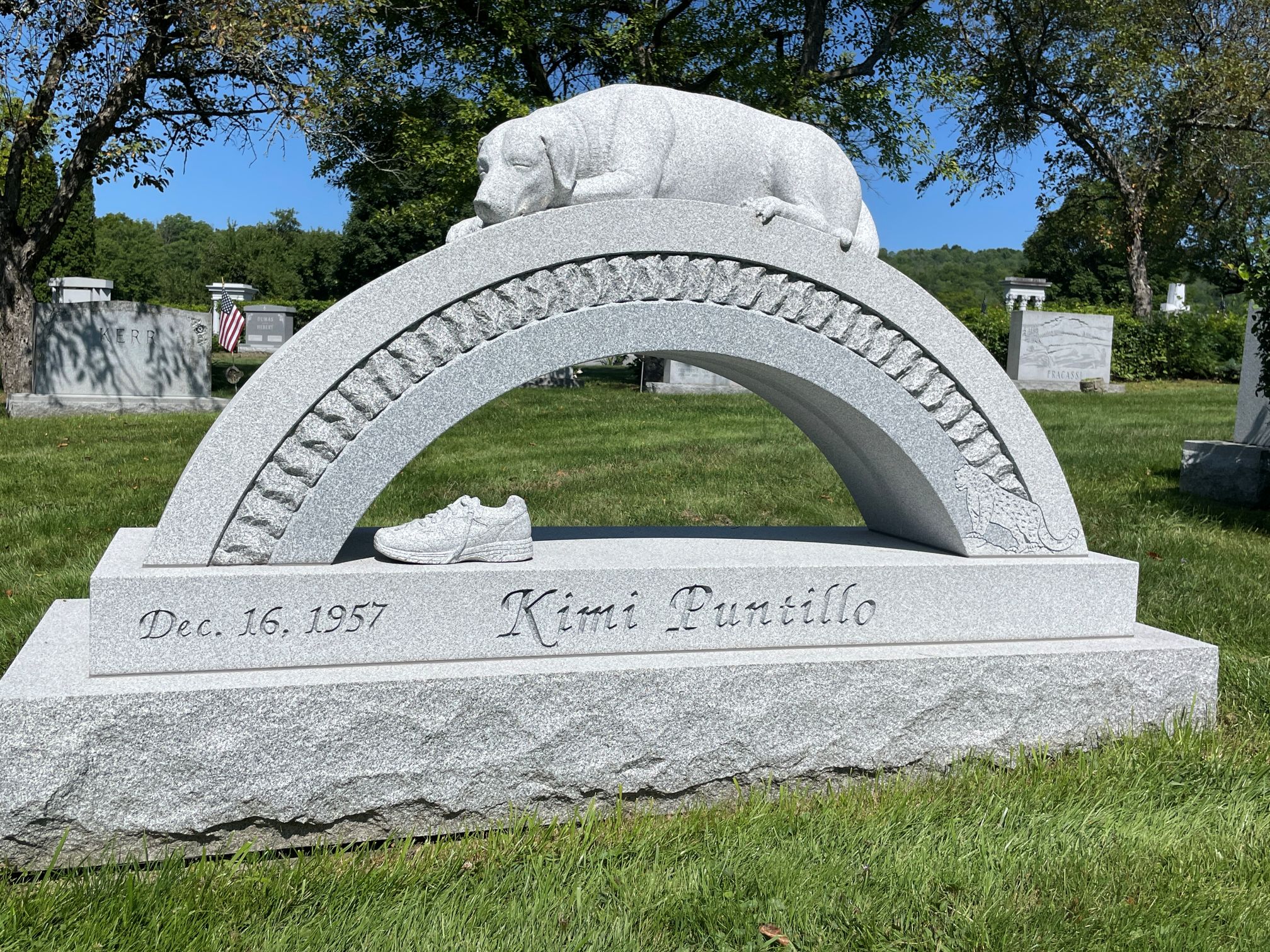
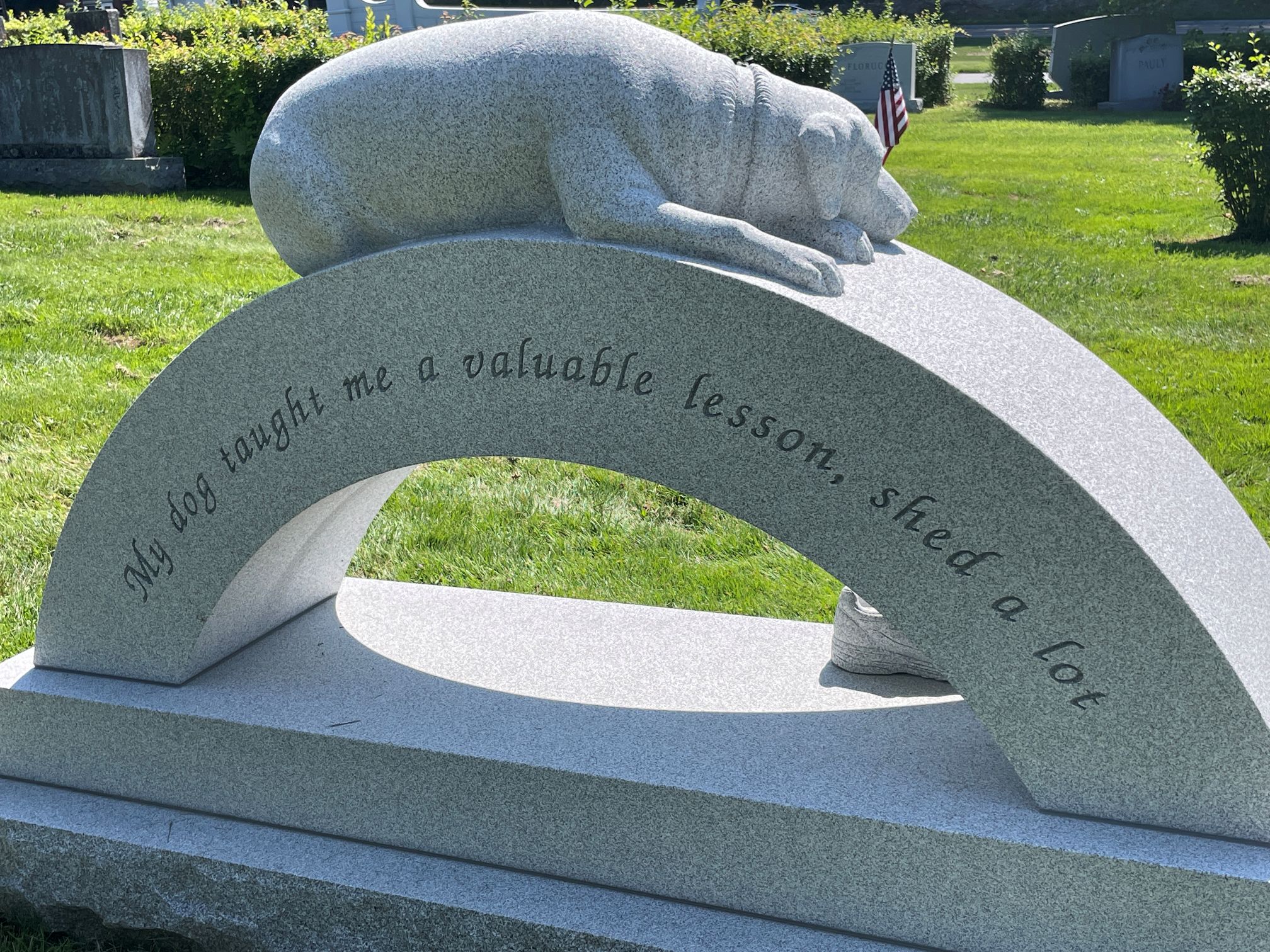
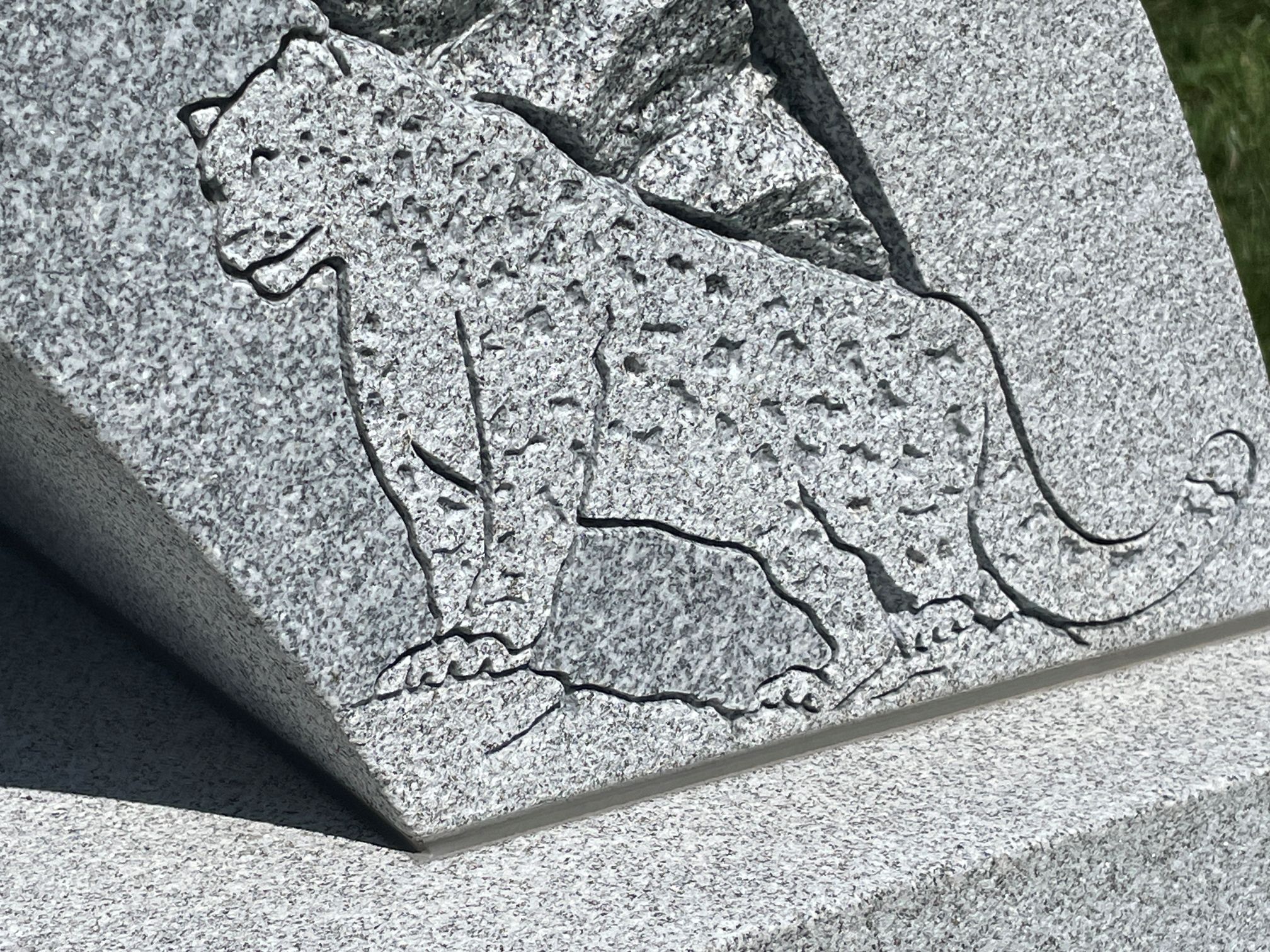
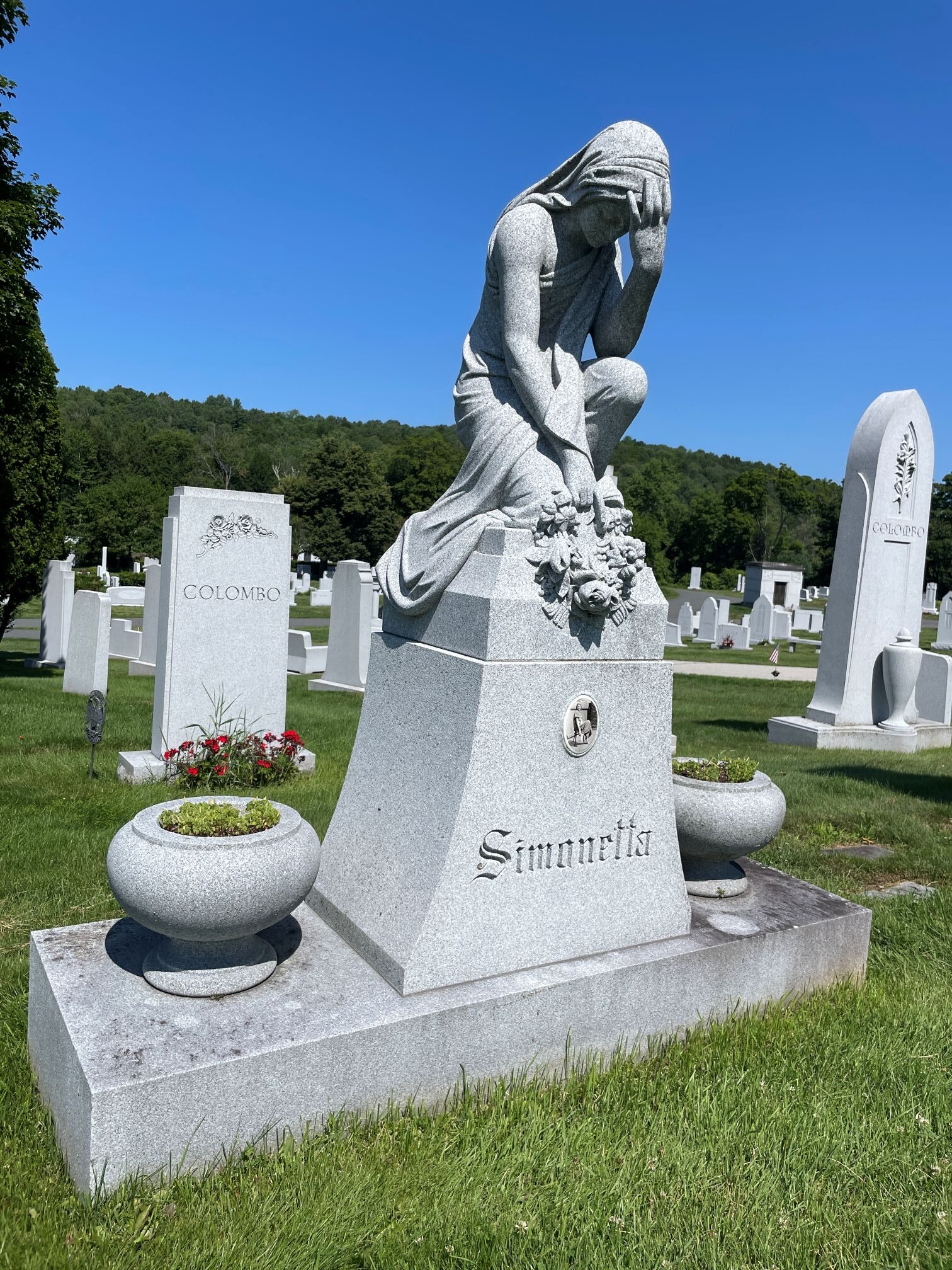
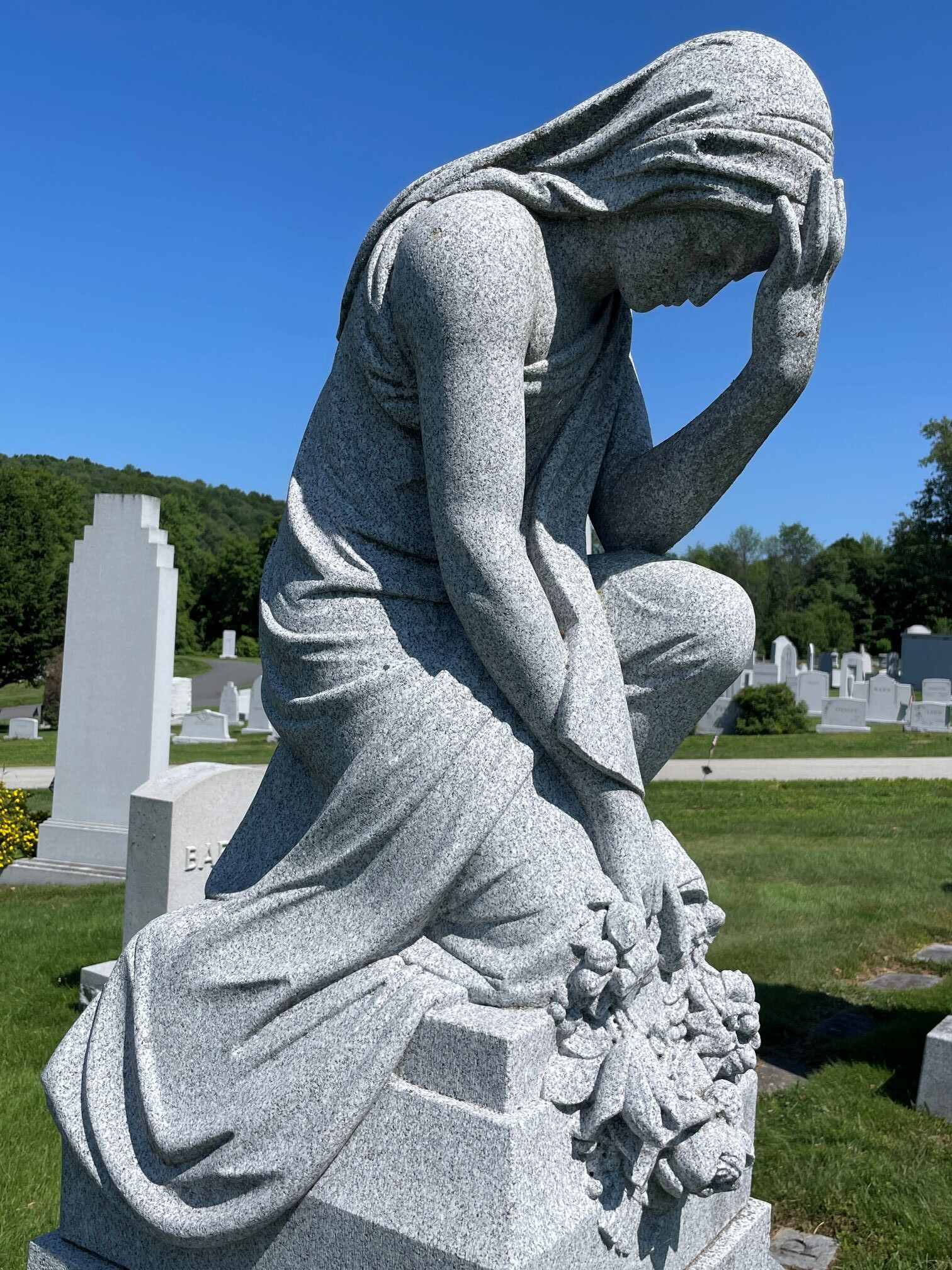
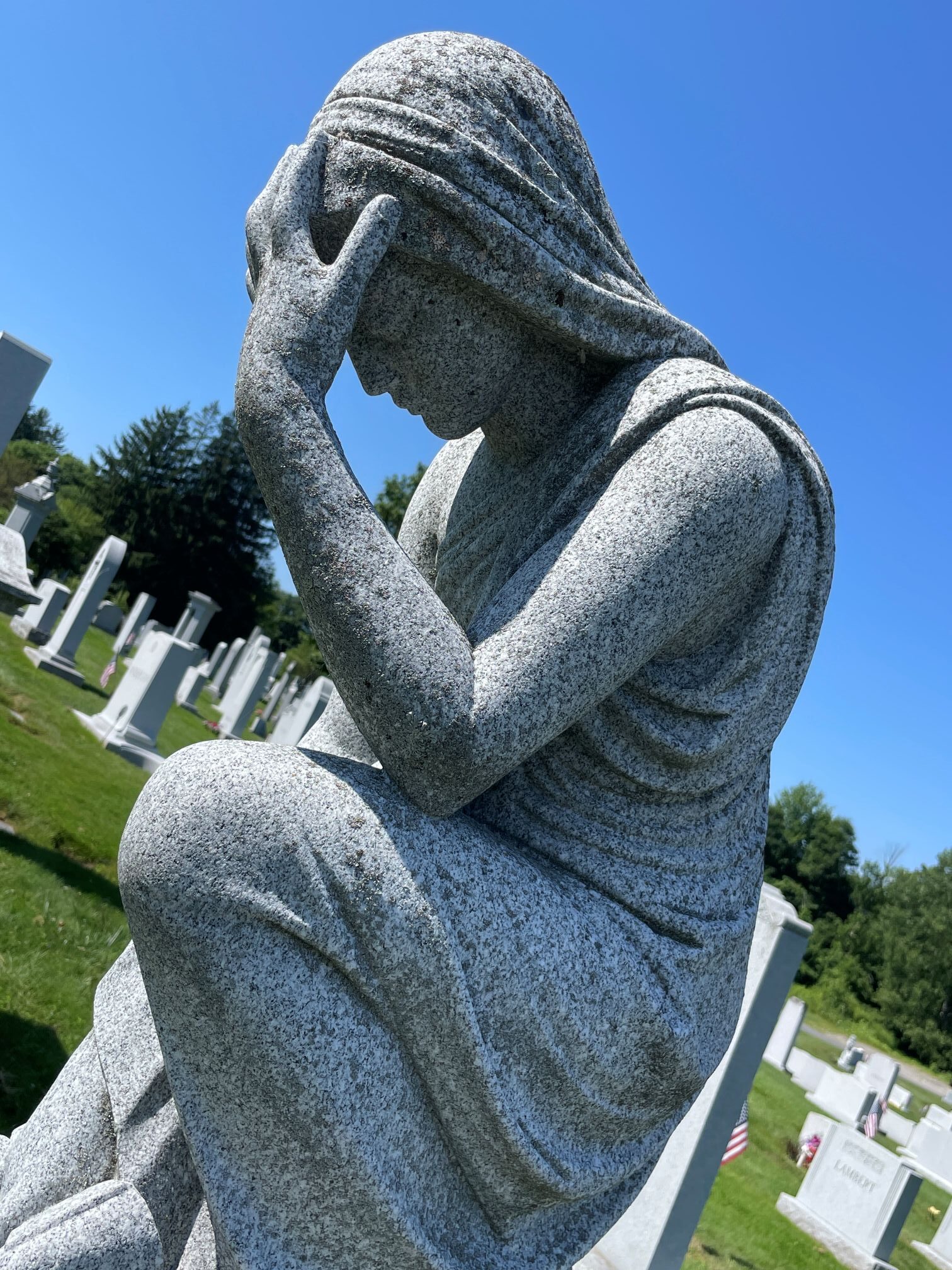
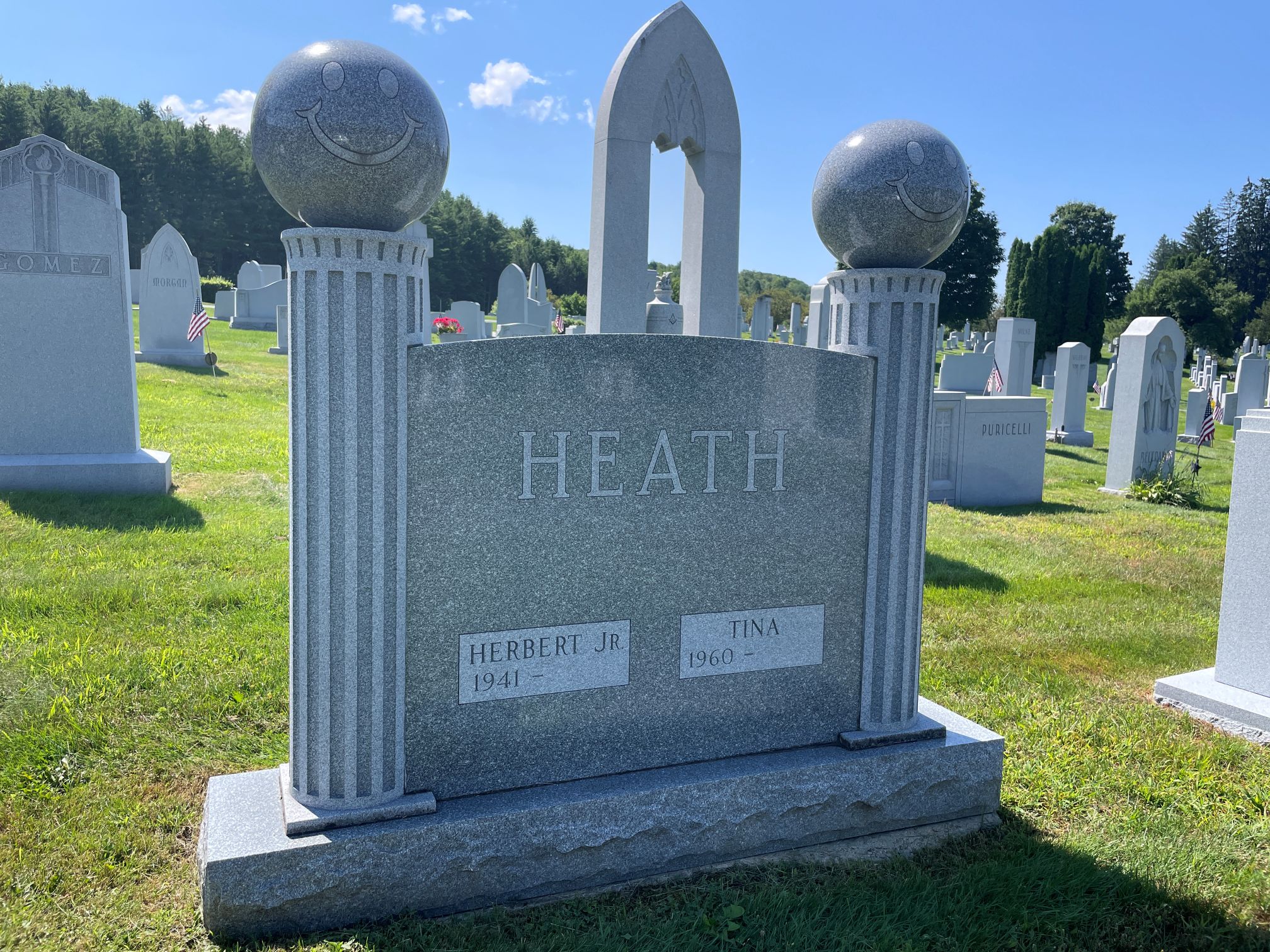
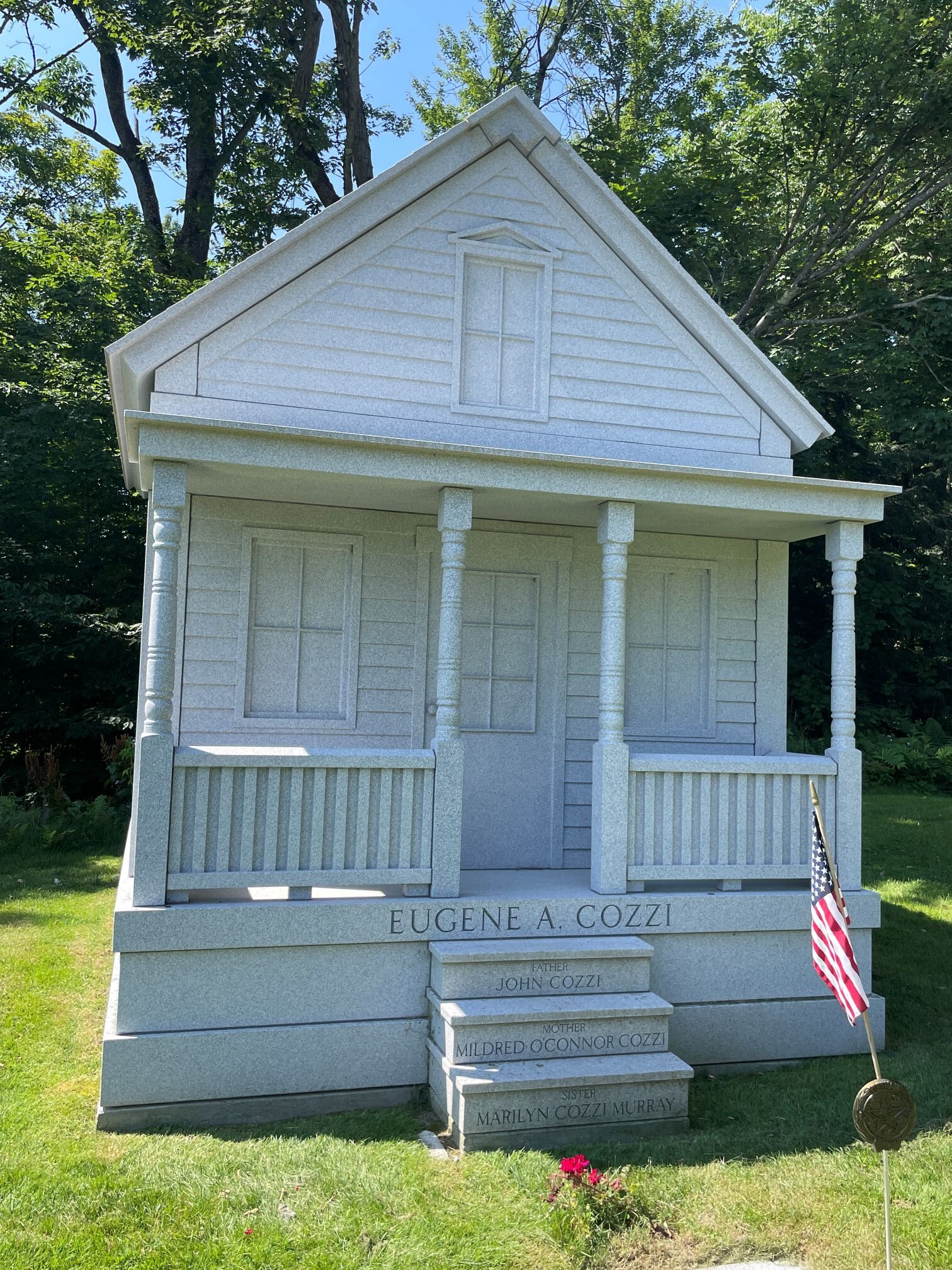
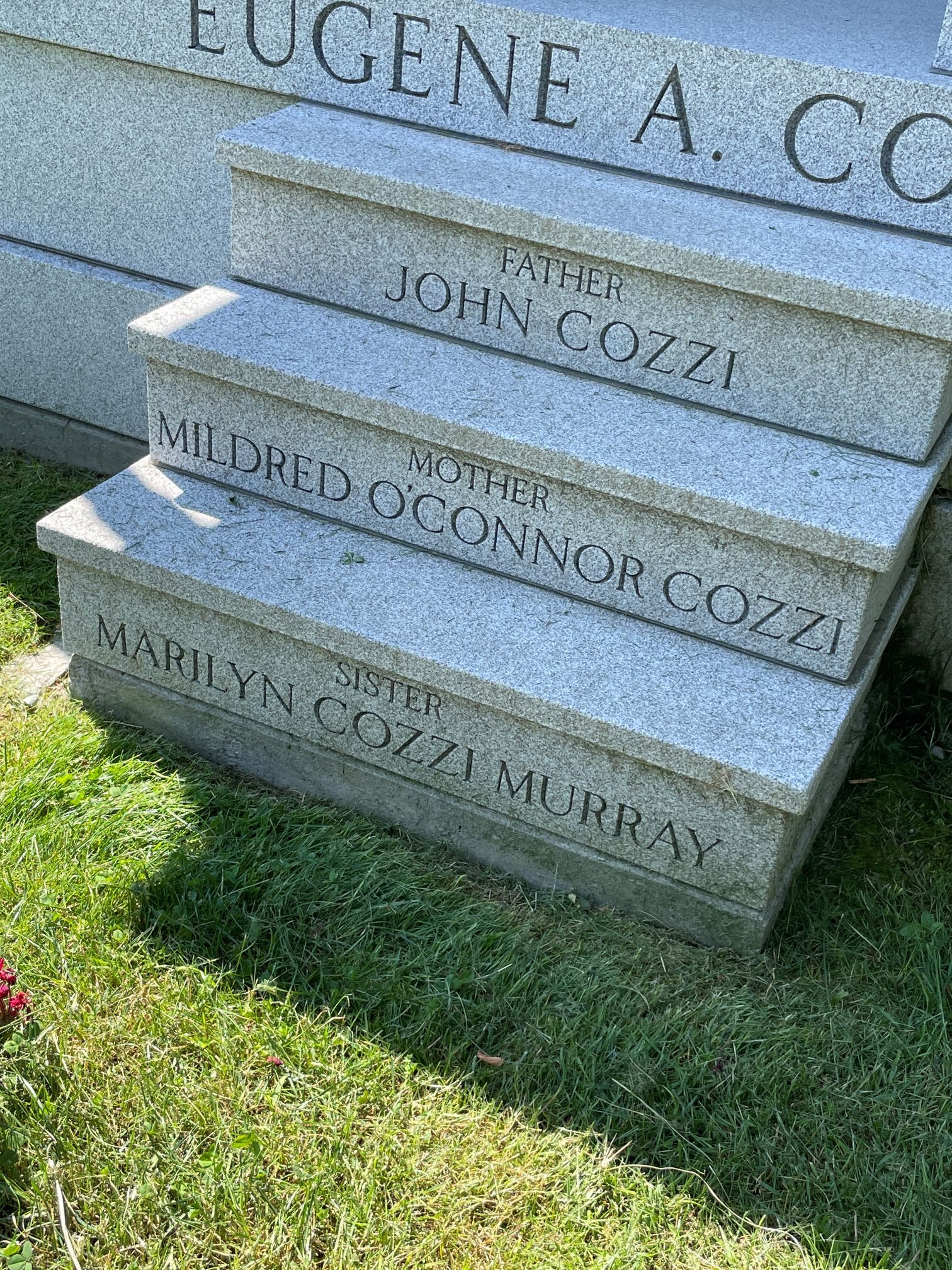
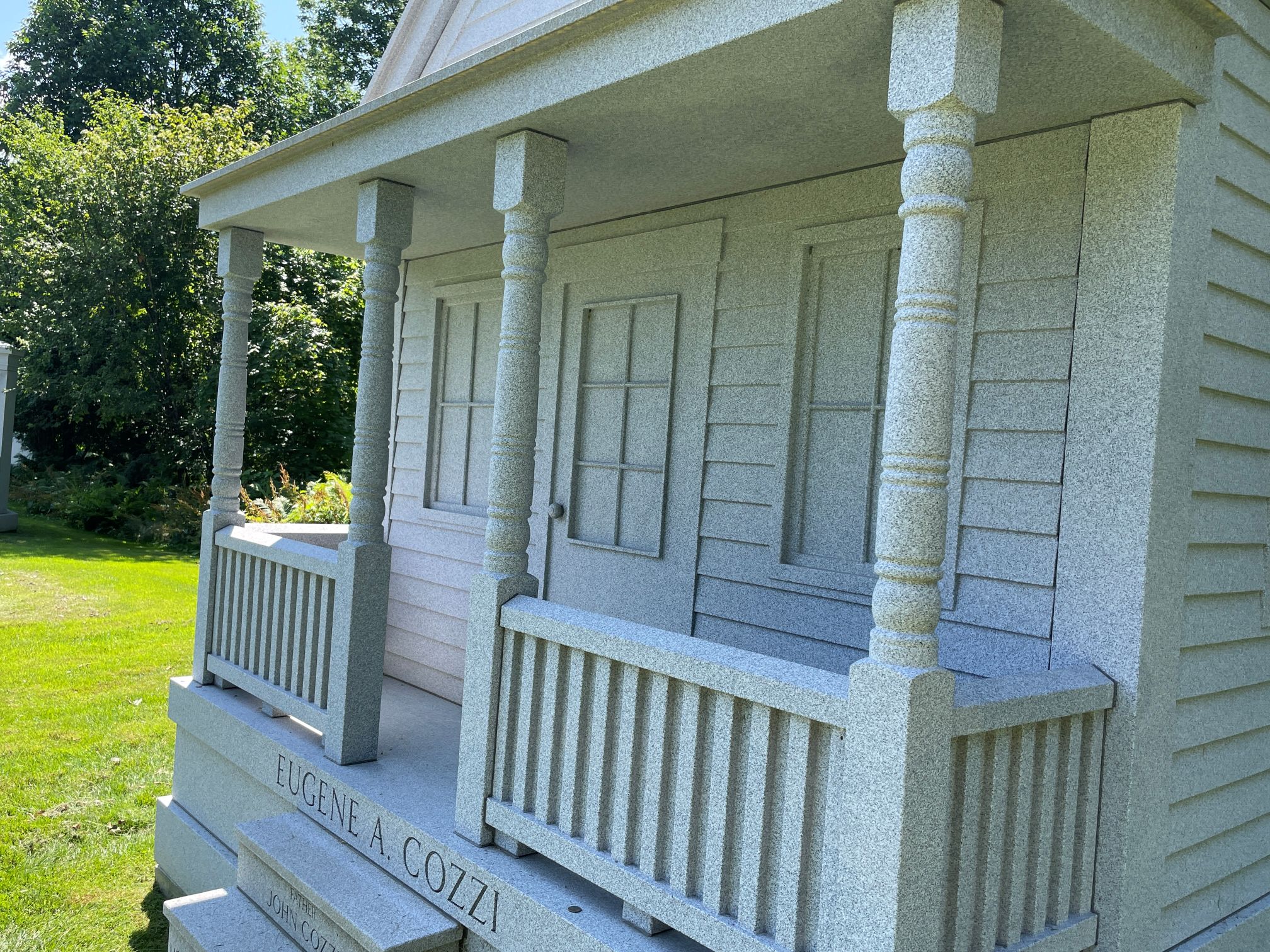
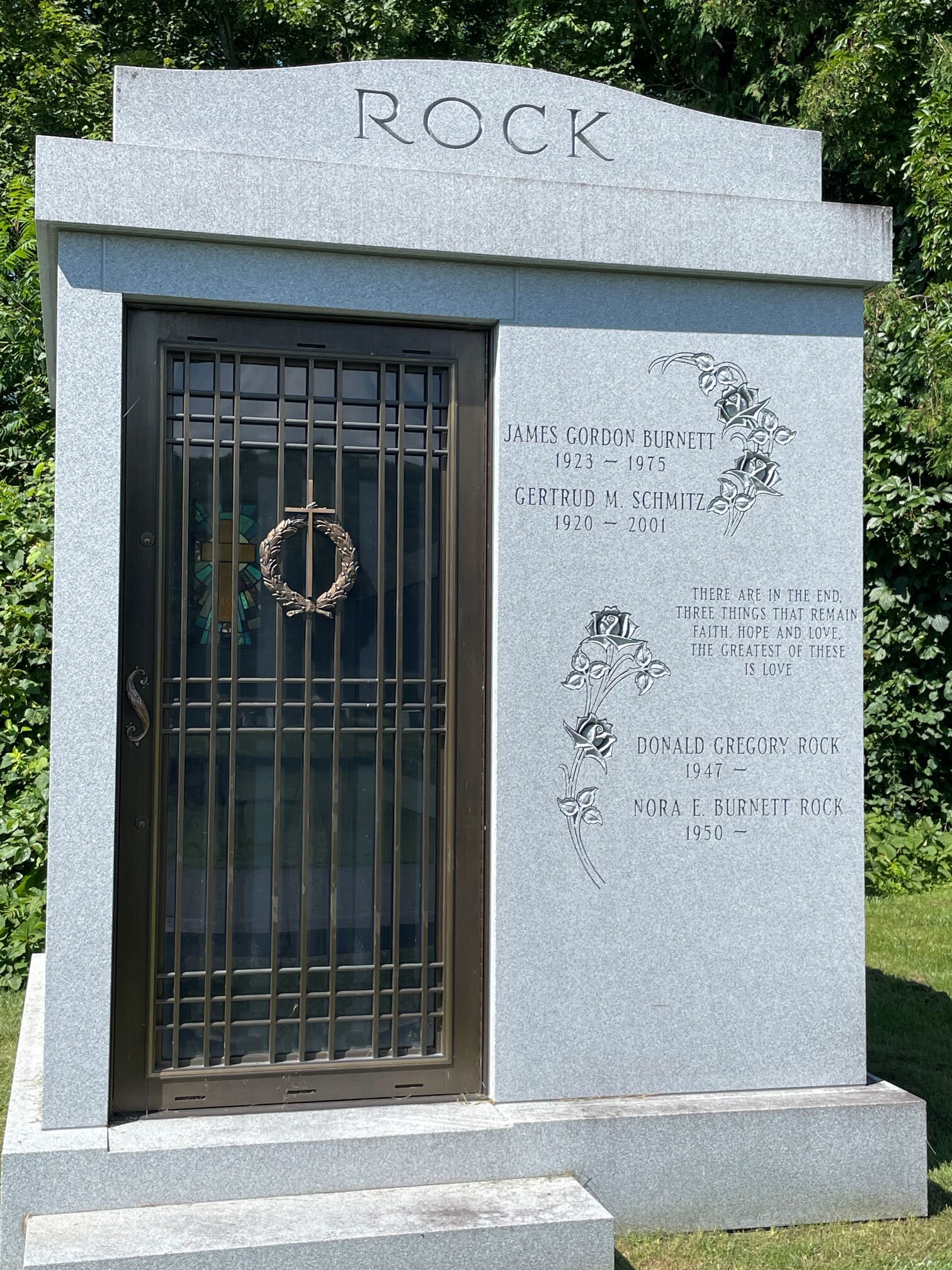
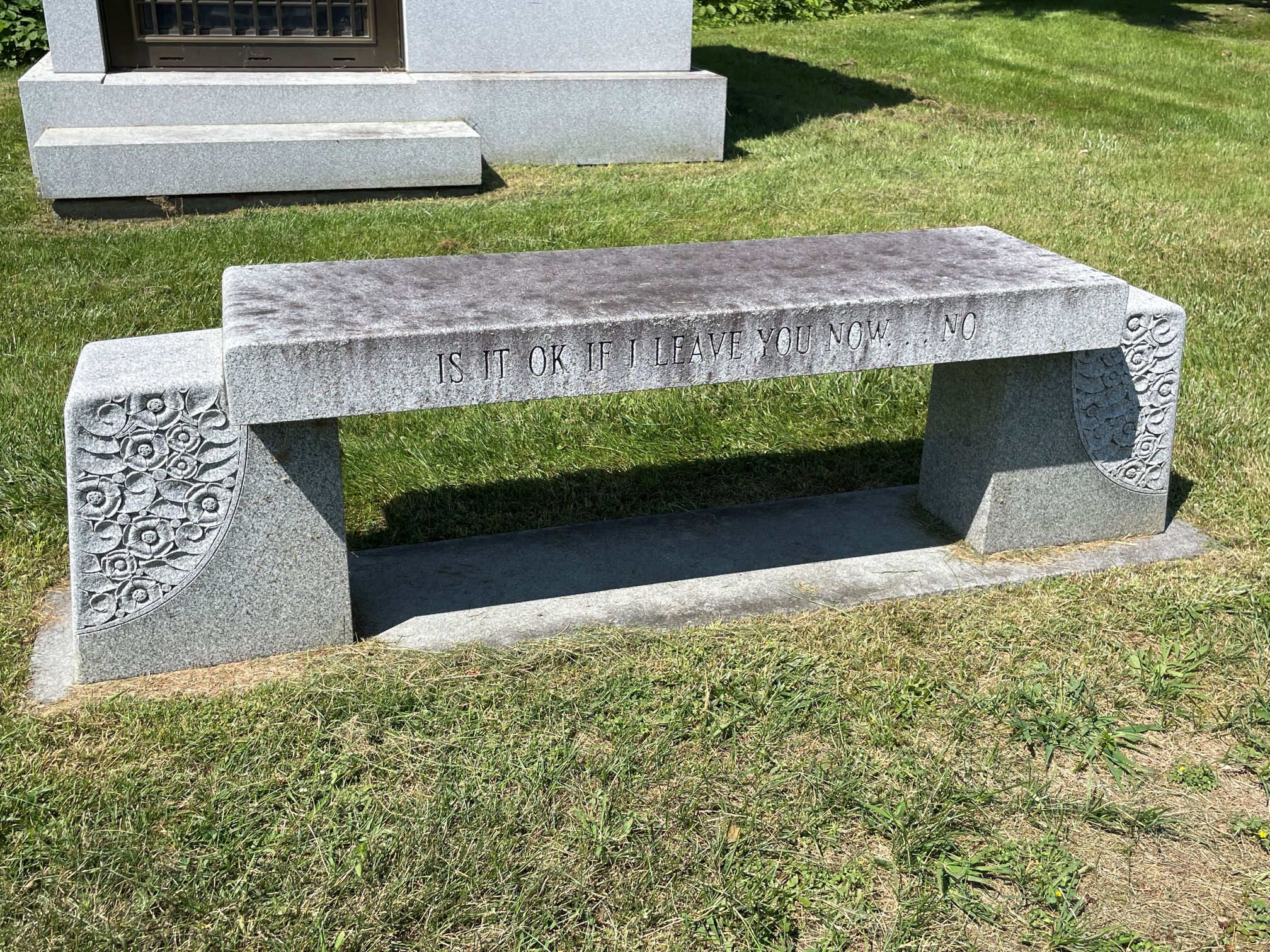
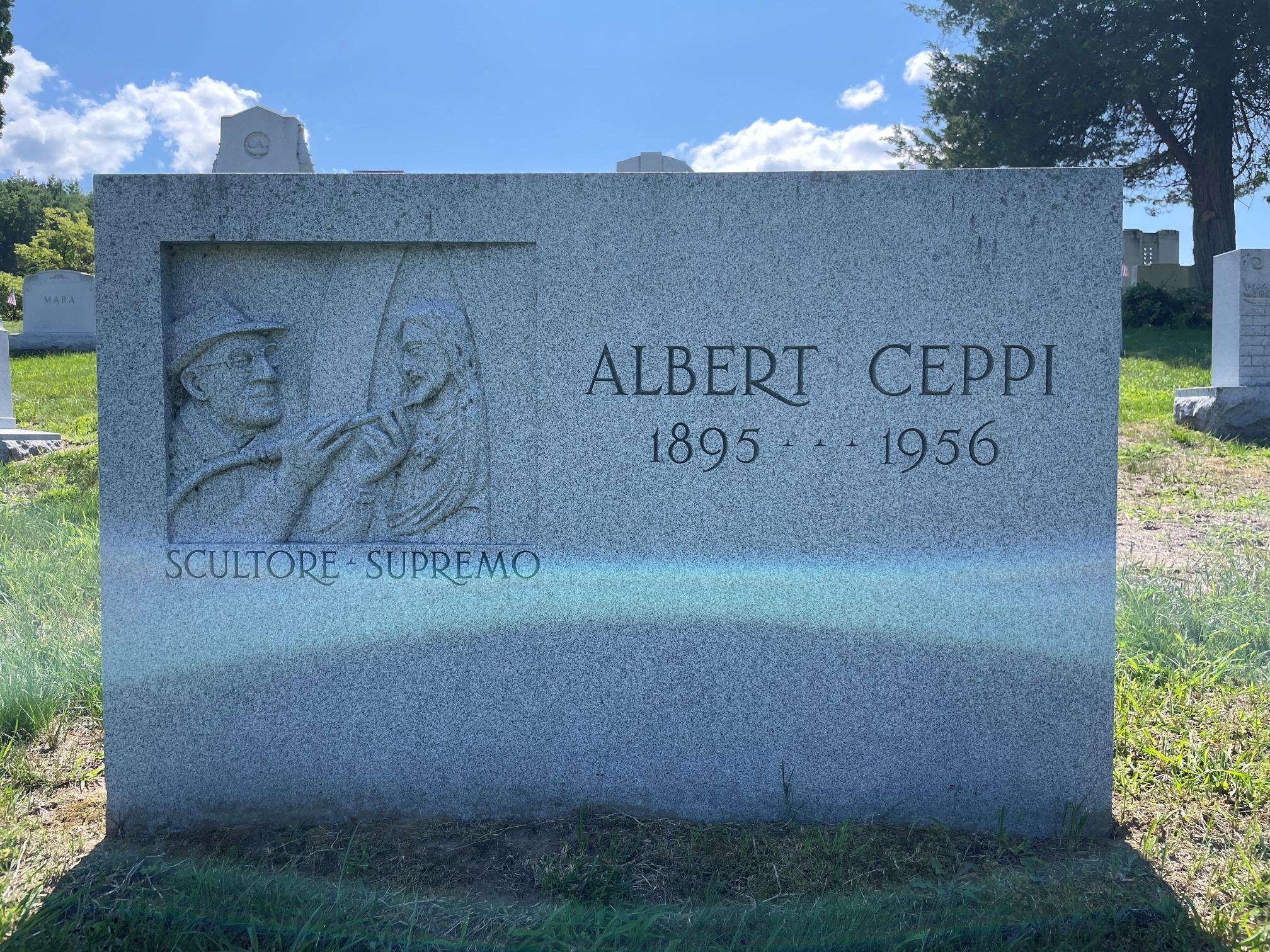
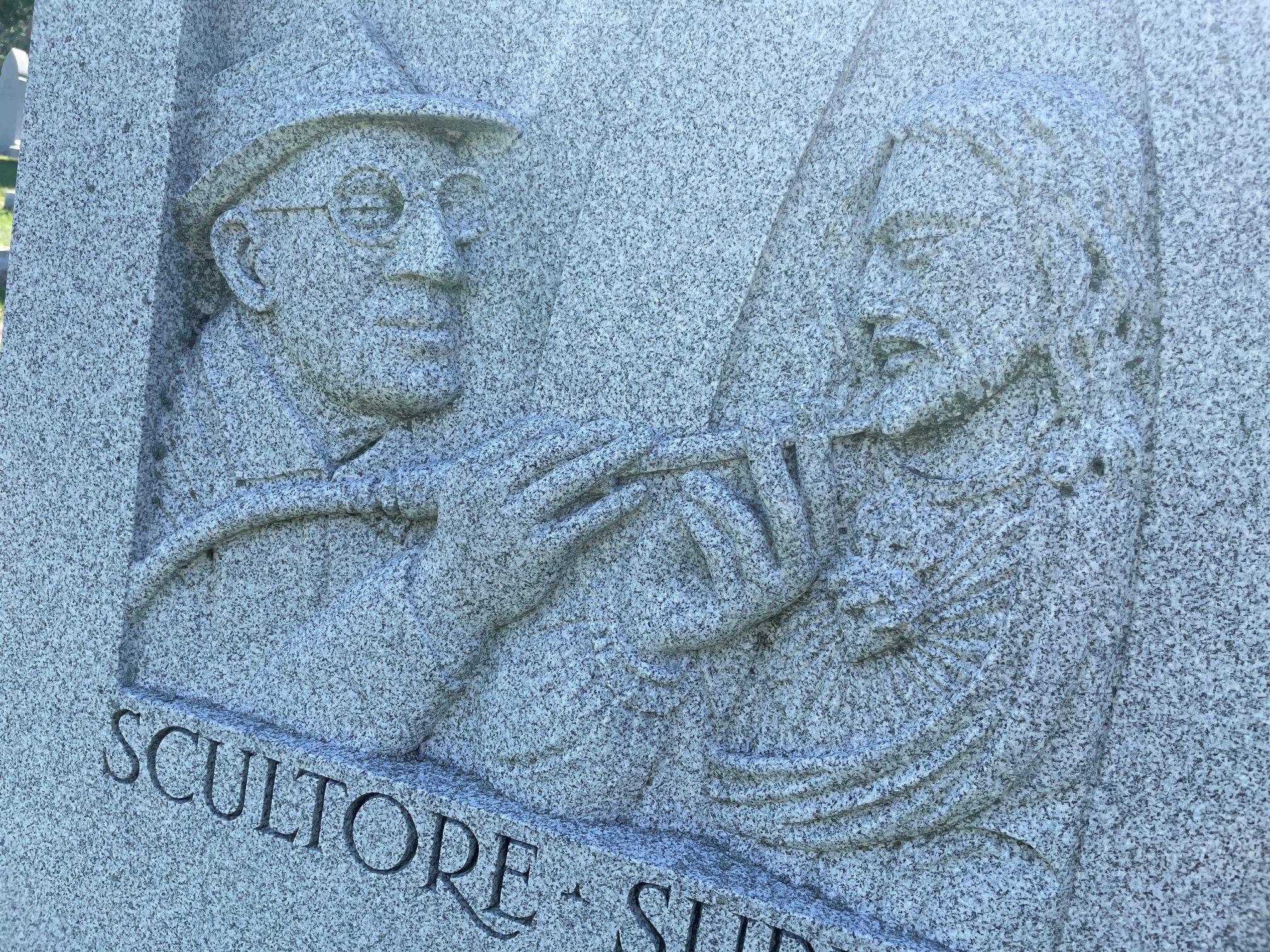
Left gate of Hope Cemetery.Figure appears to be holding an anchor, an interesting choice for a cemetery populated by residents whose lives have very little to do with water.Right gate of Hope Cemetery.Figure holds a book, which I assume is either the Bible or the book of life.Tania Sicard / 8-28-82 – 7-29-10. A classic angel with a modern snowboard. Judging by the death date of Tania and the birth date of Gunther, Tania and Joseph were parents of Gunther, and Tania died giving birth to Gunther.This is what I mean about the lovely blending of old and new iconography: a classic angel with a modern snowboard.Two pyramids with four numbered panels of evangelical garbage each, including a separate pedestal for instructions. The most selfish, ostentatious, and tacky monuments in the cemetery, these are clearly the brainchild of people who consider themselves and their message of Christianity all-important, even after death. [Neither of them are technically dead yet.]“We care so much for you that we left this message of hope.” Do you care about me, or do you just care that I witness your excess of love and evangelical compulsion?Jane Elinor Vrooman. This is just a representative sample of the preachy panels. I didn’t bother to capture all.D. Gwendolyn Warmington Halvosa [left] and William Howard R. Halvosa are dressed in pajamas and holding hands. The upright monument behind the two slab tombs presents the image of a devoted couple ready to go to sleep peacefully together. The quote from the Song of Solomon reinforces the image of eternal love.This neatly made spiderweb hung between a tree and a monument.Elia Corti (1869-1903) is just one of many granite workers who died quite young from the grueling, unhealthy conditions amidst the stone and dust.With a lifesize likeness, a backdrop sculpted to look like roughly hewn granite, a pillar with carving in relief, a palm, and some lilies, this monument shows mastery of a variety of techniques. It testifies to the esteem in which Corti was held and the skills of the stonecutters.Hope Cemetery has many portraits of individual men, but most of the women are generic allegorical figures or portraits as part of a duo with their husbands. Individual women rarely have commemorative portraits, but Maria Corti is an exception. A raised medallion [bottom edge shown in photo] at one time held a photo. Below her name lie daisies and lilies in relief, as if they have been scattered on her open grave.This is the Kelman monument, though I couldn’t read who it was for specifically. I took this picture because at first I thought this was an actual tree stump. It’s actually a very realistic granite sculpture of one, complete with mourning drapery hanging off the top.Brusa monument. I just love this angel’s expression, which seems to be intensely focused and also slightly annoyed.COSETTE LAFFARGO / ART SUPERVISOR / AND TEACHER. This elaborate, almost fully three dimensional sculpture of clasped hands with lilies and daisies alludes to Laffargo’s Christian piety and her work, as well as the love and skill devoted to making this sculpture. This is one of the few elaborately sculpted monuments dedicated to an individual woman.Hutchinson monument. Archie Clarence [left] and Patricia Lou Brown [right] chose to erect this monument to their relationship while they were still living. The relief likeness of the two, obviously based on a photograph, shows them wrapped around each other affectionately. This medallion on the left side of the base shows a photo of them, presumably on their wedding day. This is one of my favorites because, unlike the obnoxious evangelical pyramids, it speaks to how much they love each other [I mean — I really hope they do], how much they enjoy each other’s company [hopefully], and a legacy of love [presumably].Kimi Puntillo has decided to commemorate her love of dogs, her love of running, and her sense of humor while she is still alive.Is this a panther? I can’t tell.Simonetta. This is a beautiful and dramatic interpretation of the mourning figure, and it looks great in the morning light.At the same time, I am cracking up because, as I remarked when I saw it, modern context makes it look like THE MOST DRAMATIC FACEPALM EVER.Heath. Herbert Jr. [left] and Tina [right]. In a cemetery full of representations of grief and sorrow, this monument glorifies that most modern of symbols: the smiley face.Eugene A. Cozzi. The house, with proportions altered to fit the medium, represents great technical achievement, but this memorial really pisses me off.I know that gravestones memorialize dead people, but the fact that Eugene’s parents and sister are mere stepping stones to the glory that is Eugene annoys me. The mother and sister being on the lowest two steps just adds misogyny to the self-centeredness.Nice porch, though. I wished I had brought a BJD to stand on there.The Rock mausoleum.Bench in front of Rock mausoleum. This poignant exchange seems to include someone’s last words, and it’s a powerful statement about longing, grief, and the fact that the death of one person inevitably leaves survivors.Albert Ceppi. This is my favorite: a headstone containing a sculpture of a sculptor sculpting a Jesus on a headstone. The tribute to stonecutting, the skill of the sculpture, and the representation of a local granite worker creating a masterpiece all encapsulate the appeal of Hope Cemetery.There are so many details to marvel at! His hat! His glasses! His peaceful, almost blissful, expression! His complete lack of protective gear! [The fact that he looks like he’s offering Jesus a bong hit for his heart condition!]